
GabeBoyTheGreat
Well-Known Member
Sure, let's fix a hardware issue with software, like they did with the clutch! It worked out so well!6MT Owners when reading this
Maybe updated software will prevent the cams from wearing

Sponsored
Sure, let's fix a hardware issue with software, like they did with the clutch! It worked out so well!6MT Owners when reading this

So going down the highway and your engine losing power isn’t a safety issue?Recalls are usually for safety issues.

Start oneIs there a Class Action Lawsuit we can join? If not, WHY?
Speak about it NevermoreThere are quite a few documented cases of this happening, I don't understand why there are some who are so vehemently opposed to this being a fairly large issue. Does denying it get anyone anywhere?
Quite a few is accurate. Without knowing what percentage of engines are experiencing the problem it's hard to say if the issue is uncommon or fairly large. Someone said a large dealer who sells well over 1,000 units per year did 10 repairs which might put the problem at below 1%. Nobody here really knows.There are quite a few documented cases of this happening, I don't understand why there are some who are so vehemently opposed to this being a fairly large issue. Does denying it get anyone anywhere?
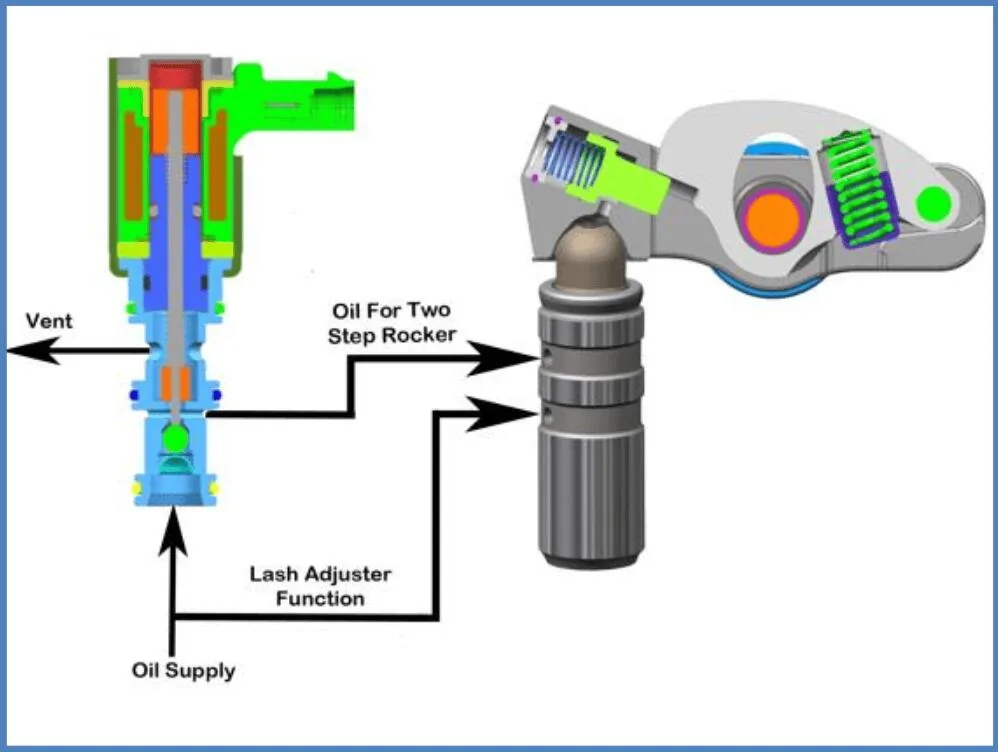
That sounds like a big mess.2.4L Multi-airs had a near 100% defect rate. The concern came from how *much* oil was being burned. In a normal world the owner would've checked their oil once in awhile the issue would have never been noticed in any severity. Instead we had ~7500-10k oil change intervals and the engine was running low on oil around 5000 miles. Some would burn half a quart every 1000 miles and some nearly 1.5 quarts. Capacity of 5.5qrt, at 3qrts low it can exhibit stalls during forceful maneuvers. At 4 qrts low it'll stall just coming to a stop light. This is because it used oil pressure to actuate the intake valves in leu of a camshaft (hence the multi-air part). Without pressure the valves don't open and the engine stalls from lack of oxygen.
Stellantis released three separate fixes to appease the EPA depending on model year. They determined that continuing to inject fuel under coast downs to prevent some vacuum was sufficient enough. This had to be done without changing the MPG standards. Some vehicles only were authorized for the flash, while some got the flash and a consumption test, while others couldn't make the MPG standards with the update and were given complete engine replacements if they failed the consumption test. The newer engines had re-designed piston rings to help reduce oil burn.
They also made it rather annoying to perform the consumption test. The owner had to return between 1300-1500 miles for a follow up inspection. If you went over you had to start all over again. A large amount of owners simply weren't informed and had the recall checked off without ever coming back for the inspection. Even those that got the update done still frequently had excessive consumption. If they were under powertrain warranty we could get them replaced, but they're all well out by now.
The entire fiasco could've been avoided by simply lowering the OCI to 5000 miles. It took a lot of owner neglect to get to the point of stalling, but you can't blame them due to the long intervals I guess checking your oil isn't something people do anymore. It's like modern vehicle owners expect to never have to open their hoods once during ownership.
I get where you're coming from, the Pentastar has a solid reputation overall, and it's true that millions of these engines are out there doing just fine. But I think it's also fair to say that the 2018+ Gen III version in the Wrangler has shown some concerning patterns, especially once you're outside the warranty window. It may not be a "bad engine" in the grand scheme, but there are a couple of recurring issues worth keeping an eye on.Quite a few is accurate. Without knowing what percentage of engines are experiencing the problem it's hard to say if the issue is uncommon or fairly large. Someone said a large dealer who sells well over 1,000 units per year did 10 repairs which might put the problem at below 1%. Nobody here really knows.
And that number you are using is pure speculation as well. The truth is it has happened enough that there were over 12,000 orders placed and on backorder for the passenger camshafts. That's a lot. Part of that is due to a new part coming out so there was a period of no availability while the stock was replenished, but that still speaks to it being more common than you are alluding to. The truth in numbers would only be ascertained by having the total number of cams sold, and we don't have that.@jeepingib Thank you for your well meaning comments. There is a problem, but there is a lack of information as to the frequency. When you say not all engines fail, that leaves a lot open to interpretation. There is no verifiable information as to the frequency of repair. The best guess is .5% to 1%. That's not acceptable, but not a disaster either.
...or open the owner's manual, for that matter.It's like modern vehicle owners expect to never have to open their hoods once during ownership.

0.5% of 10M is still 50,000 units. Still not a lot in the big picture. I know, we would like to see 0 failure BUT that’s not realistic for any manufacturer, in this case especially since there isn’t just one machine shop that’s dedicated to making all the 3.6L cams. In fact a search provided a vague number of different shops.And that number you are using is pure speculation as well. The truth is it has happened enough that there were over 12,000 orders placed and on backorder for the passenger camshafts. That's a lot. Part of that is due to a new part coming out so there was a period of no availability while the stock was replenished, but that still speaks to it being more common than you are alluding to. The truth in numbers would only be ascertained by having the total number of cams sold, and we don't have that.


