
roaniecowpony
Well-Known Member
Best answerIf you're going to wire your winch incorrectly...use a fuse.
Sponsored
Best answerIf you're going to wire your winch incorrectly...use a fuse.

Even an obvious bolted fault did nothing but melt the insulation on the cable, almost like those winch manufacturers know what they are doing?This times eleventy billion. I'm going to save this thread for the next time someone tries to argue that you don't need to fuse the winch power cable.
Sure. This time...Even an obvious bolted fault did nothing but melt the insulation on the cable, almost like those winch manufacturers know what they are doing?

"Nothing but melt the cable"?!Even an obvious bolted fault did nothing but melt the insulation on the cable, almost like those winch manufacturers know what they are doing?
It looks like just the winch power wire looped around and melted. Separately switched would have done nothing but also melt the switch. Being the positive and negative look melted and the other wires aren't even connected I'm guessing this was a during install mis-wiring but maybe they disconnected the other wires for no reason after the power wires melted?That’s ugly…as others have said that winch was not fused and probably not separately switched. Question - are bundle of burnt wires in the first picture the main wiring harness for the Jeep? If so, there is likely plenty of damage elsewhere…or at least many blown fuses.
Ignition source? The battery is on the same side of the vehicle as the winch solenoid. Is my frame going to catch fire? At least a dozen winch installs personally, hundreds of thousands of miles driven with winches, hundreds of pulls, 0 fuses, 0 switches, 0 melted wires, and 0 fires. Just like every winch manufacturer recommends. Just like hundreds of thousands of winches all over the world. If extra complexity, cost, and potential failure points during heavy pulls are your thing, go for it.Sure. This time...
You're one wire routed too close to an ignition source away from losing your whole damn vehicle. Why risk it?


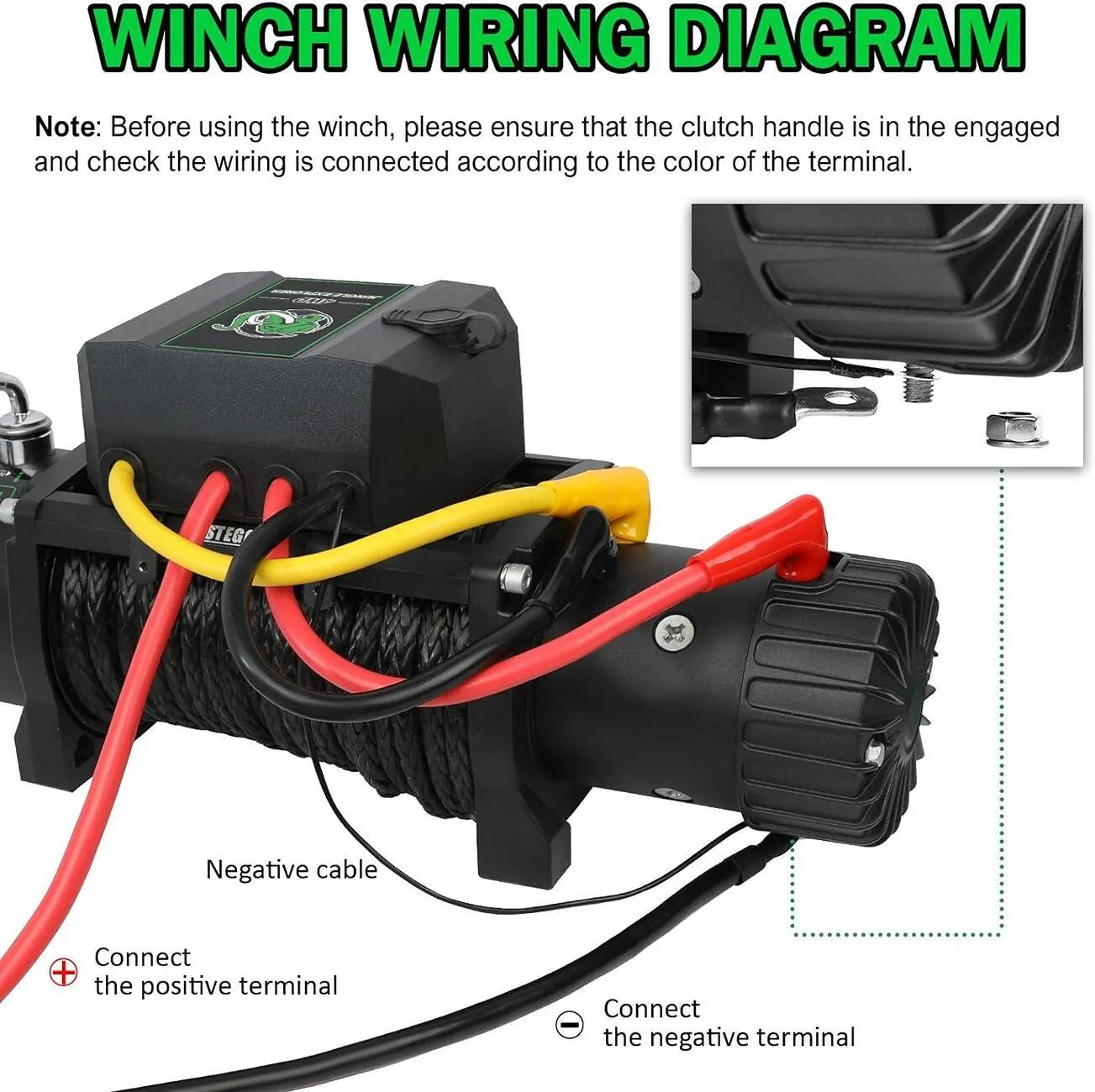

When looking for the running peak load of my Warn Zeon 10s, I found that it can run 465 amps. I don't think that was stalled. Fuse sizing guidelines suggest 125% of peak load. So a 600 amp fuse would be around the minimum.Although this appears to be installer error, may as well touch on safety.
Three basic ways here (can be combined):
1. Fuse - Blue Sea 5190/91 or similar
2. Switch - Marine battery switch or similar
3. Solenoid - Warn PIK or similar
Realistically, the fuse is the only full time protection, but either the switch or the solenoid offer both shutoff and protection during shutoff.