

2nd 392
Well-Known Member
Denier ?And yet we have people persecuting others as science deniers.
Sponsored
Last edited:
Denier ?And yet we have people persecuting others as science deniers.
Skepticism questions evidence. Denial ignores it.And yet we have people persecuting others as science deniers.

Quite the opposite. Peer review is the cornerstone of formal/applied science.Peer review is not in the same league as formal/applied science.

yet people that question science are routinely called deniers even when it pans out they were correct in their questioning. You're arguing from the point of true science when we all know today, why and how the term "science denier" is used to persecute people unwilling to blindly follow the "experts". Rarely is the term used to describe someone it fits, but commonly used to belittle someone that disagrees with "settled" science. You know the type, they're happy to insult someone with the term sky daddy, then call you a denier when you question certain climate or vaccine claims. You know the science is gospel religion with their pulpit of pastor "experts".Skepticism questions evidence. Denial ignores it.
Science isn't "believe this no matter what." It's "show evidence that better explains the facts."
The term “consensus” of scientists routinely used to confirm “settle” a position and dismiss scientists of opposing views as “deniers”. etc.yet people that question science are routinely called deniers even when it pans out they were correct in their questioning. You're arguing from the point of true science when we all know today, why and how the term "science denier" is used to persecute people unwilling to blindly follow the "experts". Rarely is the term used to describe someone it fits, but commonly used to belittle someone that disagrees with "settled" science. You know the type, they're happy to insult someone with the term sky daddy, then call you a denier when you question certain climate or vaccine claims. You know the science is gospel religion with their pulpit of pastor "experts".
It's perfectly fine to question science. It's supposed to change when the evidence changes. That's the entire point.yet people that question science are routinely called deniers even when it pans out they were correct in their questioning. You're arguing from the point of true science when we all know today, why and how the term "science denier" is used to persecute people unwilling to blindly follow the "experts". Rarely is the term used to describe someone it fits, but commonly used to belittle someone that disagrees with "settled" science. You know the type, they're happy to insult someone with the term sky daddy, then call you a denier when you question certain climate or vaccine claims. You know the science is gospel religion with their pulpit of pastor "experts".
Knowing who is doing the funding, therefore their preferred findings is a good way to determine if skepticism is justified.It's perfectly fine to question science. It's supposed to change when the evidence changes. That's the entire point.
Science deniers usually don't deny all science. Most people, including scientists, are more skeptical of conclusions that conflict with their existing beliefs. Being skeptical is a good thing. The challenge is understanding when that skepticism is justified and when it becomes denial.

I was attempting to make a nuanced distinction between research science and formal/applied sciences - between novel theory/evidence and the logic/practical application that built the technological devices "deniers" use to express themselves. I was highlighting much research science doesn't or fails to become formal/applied science, and much formal/applied science didn't evolve from modern, peer-reviewed research science (positioning "formal/applied" science credibility in a different league).Quite the opposite. Peer review is the cornerstone of formal/applied science.
I'm thinking skepticism is almost always justified. What changes is how much skepticism is warranted.Knowing who is doing the funding, therefore their preferred findings is a good way to determine if skepticism is justified.
This works, but made difficult when skeptics opinions and voices are silenced and/or ridiculed as “deniers” etcI'm thinking skepticism is almost always justified. What changes is how much skepticism is warranted.
The further a claim deviates from established evidence and scientific consensus, the stronger the evidence should need to be. As Carl Sagan put it: "Extraordinary claims require extraordinary evidence."
Einstein's ideas were met with plenty of skepticism because they challenged the scientific consensus of the time. The difference is that his theories survived repeated attempts to prove them wrong and made accurate predictions. That's how science moves forward.
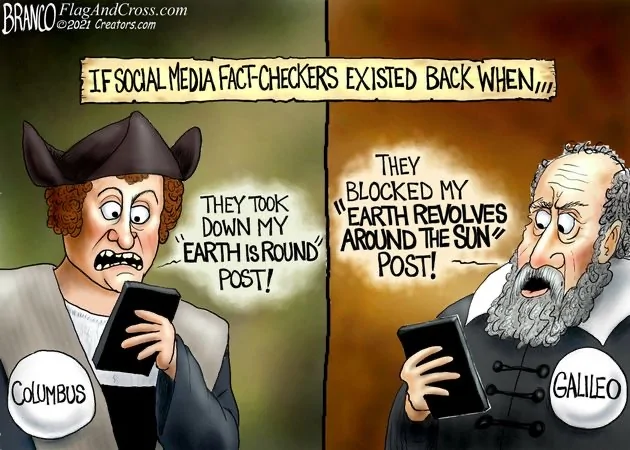
Galileo was put on trial, forced to recant, and spent the rest of his life under house arrest. The Roman Catholic Church even banned his book. They did a lot more than merely block his posts.This works, but made difficult when skeptics opinions and voices are silenced and/or ridiculed as “deniers” etcAMAP.

I don’t know why some discussions derail and devolve, but I know this: Threads that get locked for “politics”, like those that get people banned for “politics”, almost never involve any discussion of politics. It’s one of the great mysteries of the internet.That's the natural progression of those discussions.
Well, page 39. are we not well beyond the OP complaining about his wife’s Jeep ?I don’t know why some discussions derail and devolve, but I know this: Threads that get locked for “politics”, like those that get people banned for “politics”, almost never involve any discussion of politics. It’s one of the great mysteries of the internet.


I put ketchup on my hotdogs.Well, page 39. are we not well beyond the OP complaining about his wife’s Jeep ?
How much more can be said ? …. Kinda like delete threads, V6 vs T-4 or What Octane threads devolve into a general BS session ?


