Sponsored

Failed Rocker Arm & Camshaft Replacement

mwilk012

Well-Known Member
Joined
Mar 10, 2018
Threads
14
Messages
11,031
Reaction score
11,385
Location
Oklahoma
Vehicle(s)
2018 Ocean Blue JLU Rubicon
Occupation
Service
How would you check oil flow, run engine with valve cover off and observe, or other method?

I agree the cause on these failures are the intake valve high lift follower bearings failing and causing the follower and rocker to shift out of position, wearing the cam. I would be curious to see hardness test results on the cam though.

I wonder if these failures are exaggerated by drivers running at higher RPM’s a lot, where high lift mode kicks in. Or even a failure to kick back into low lift mode in a timely manner. POS design all the way around.
There are threaded ports in the head under the cam that can be used to test oil pressure at the cam journal.
Sponsored


fat_head

Well-Known Member
Joined
Mar 28, 2018
Threads
45
Messages
1,055
Reaction score
2,305
Location
Texas
Vehicle(s)
2018 JLU
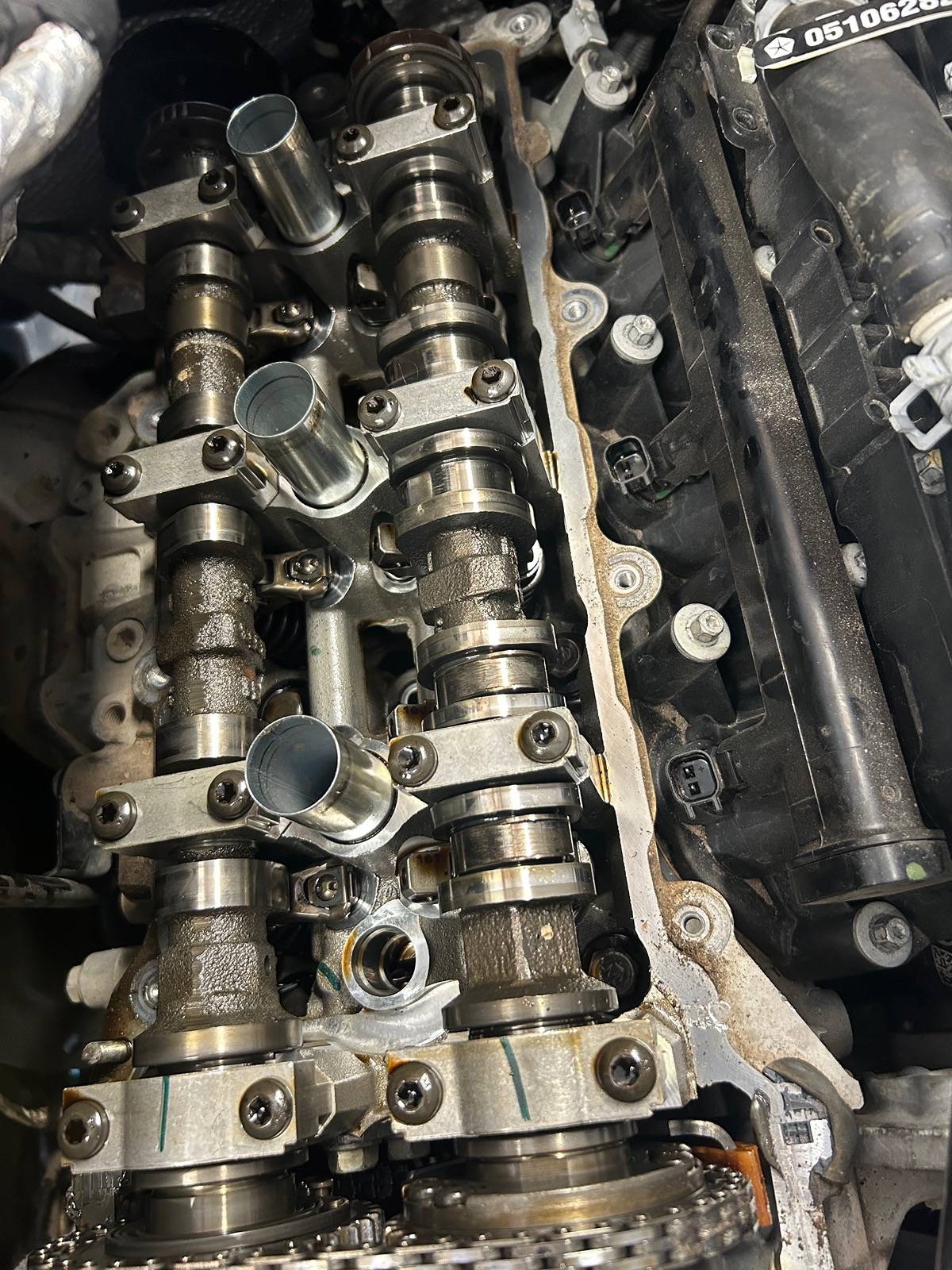
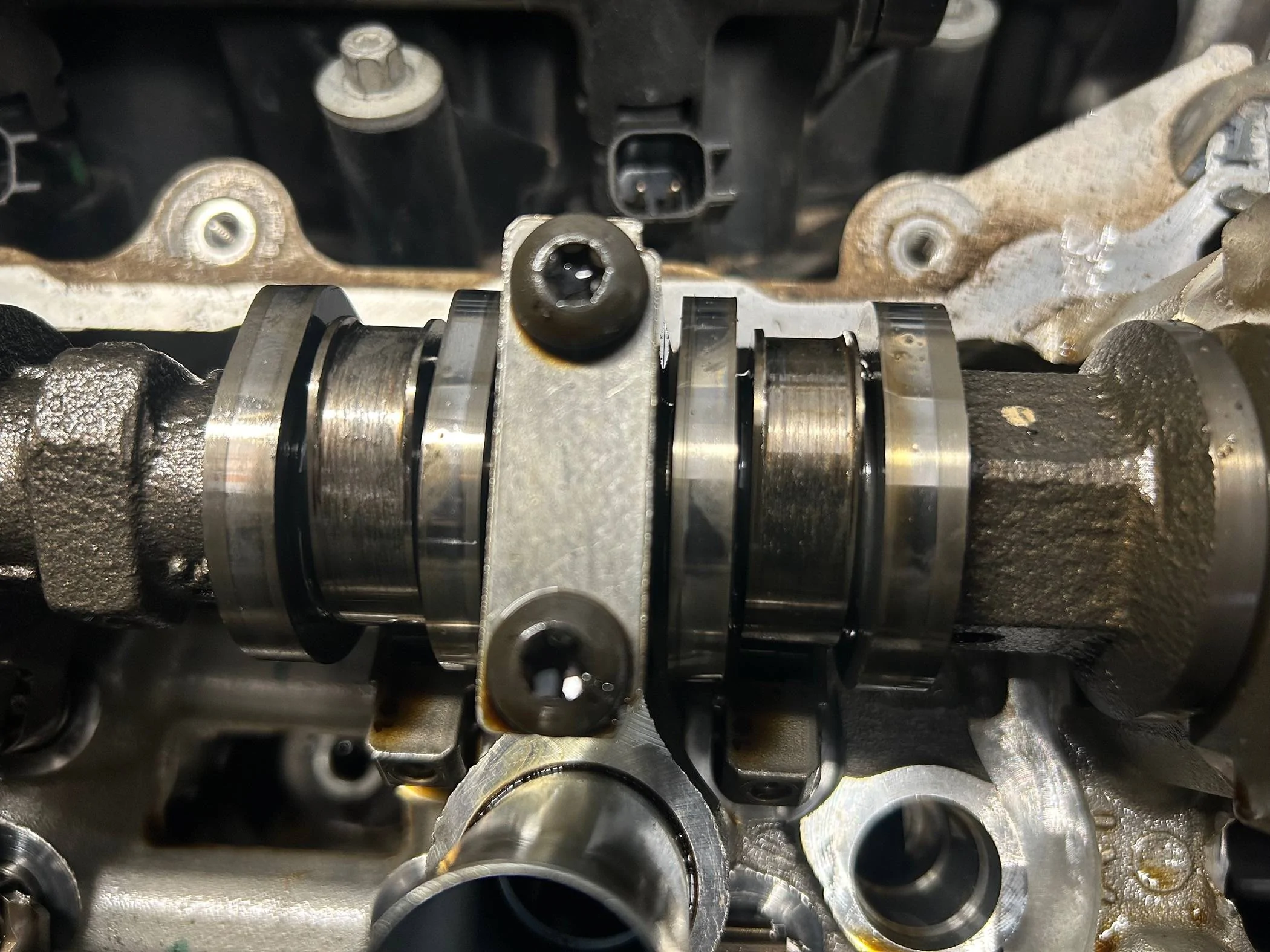
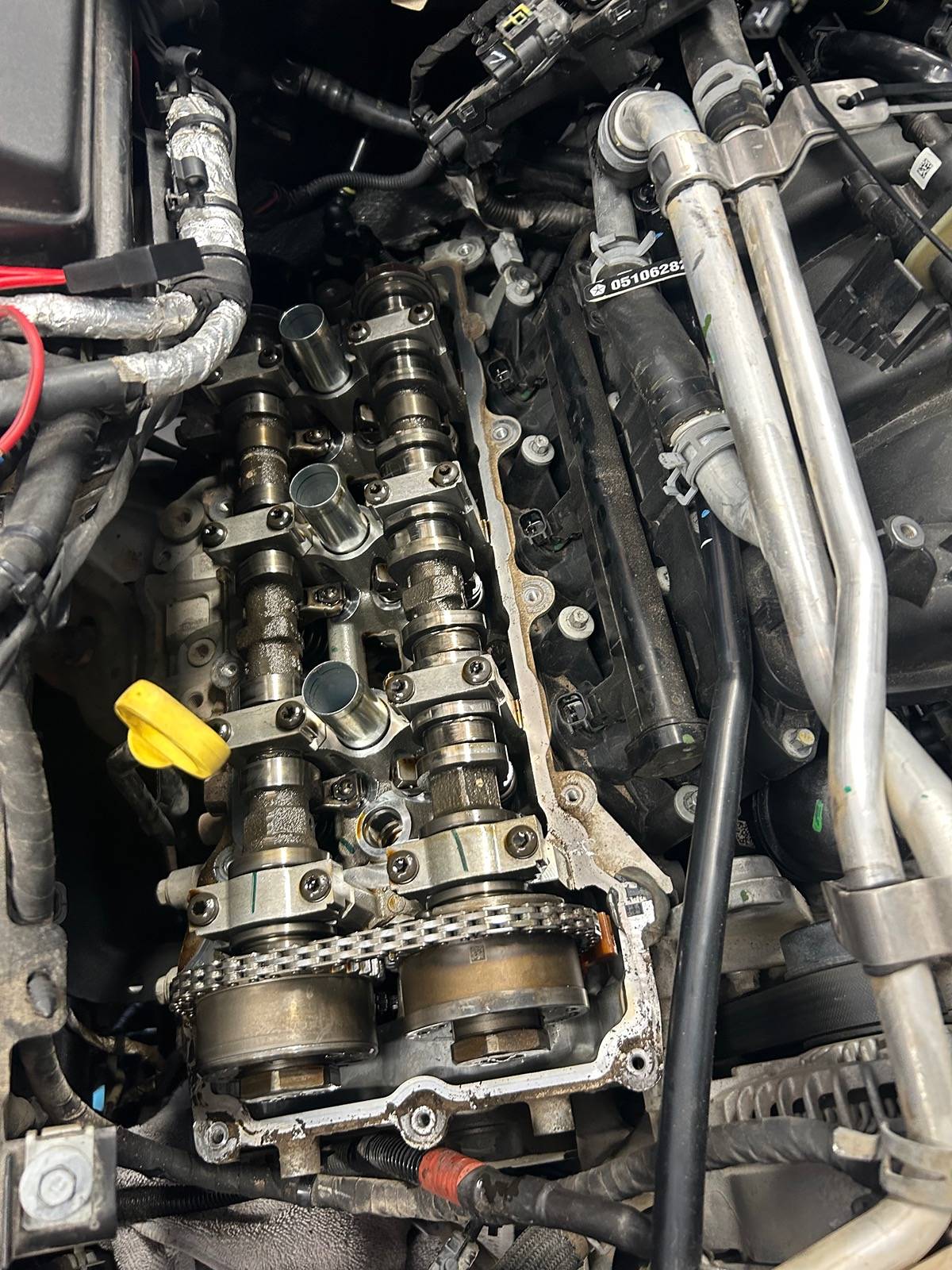
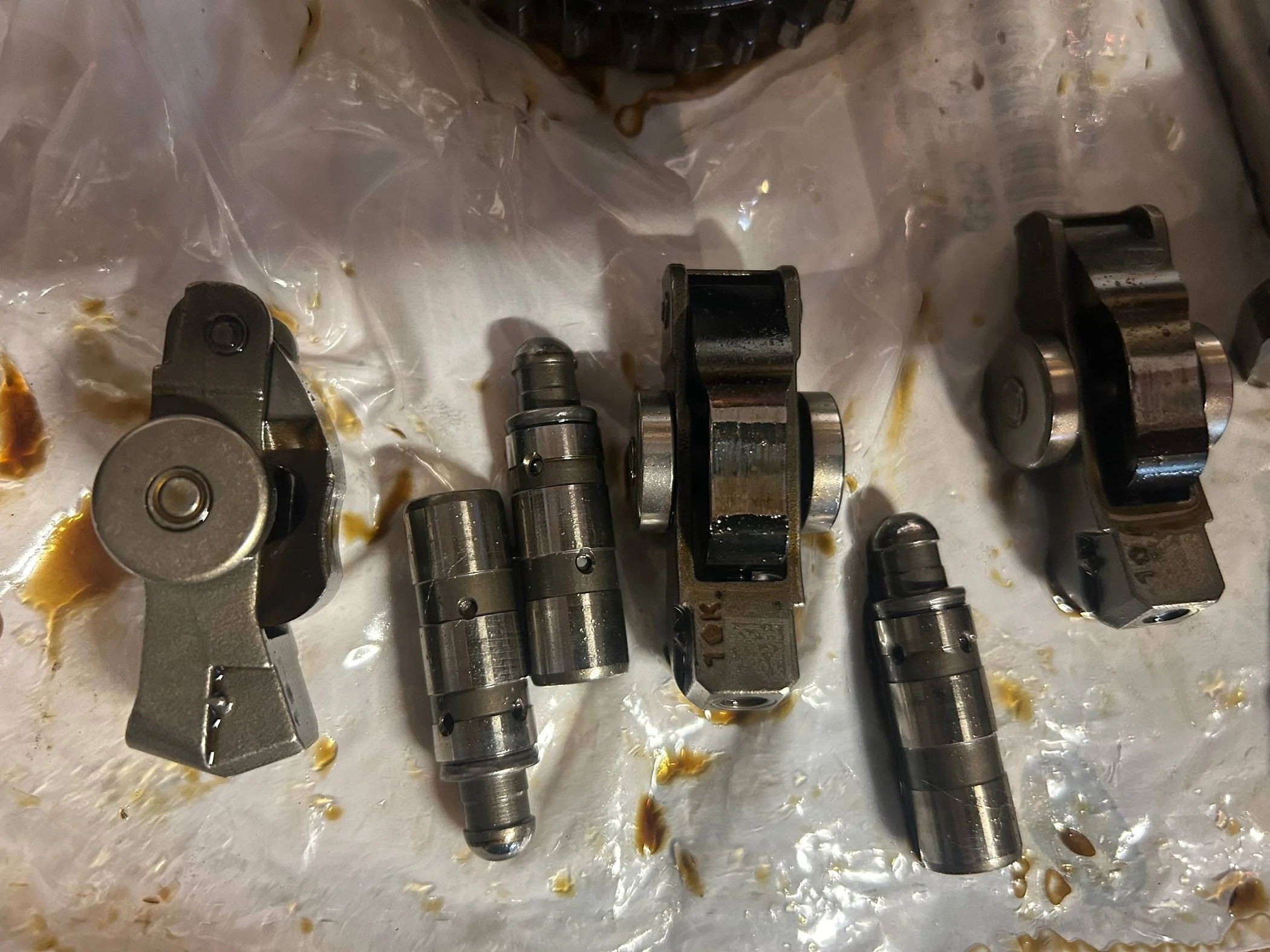
Well…

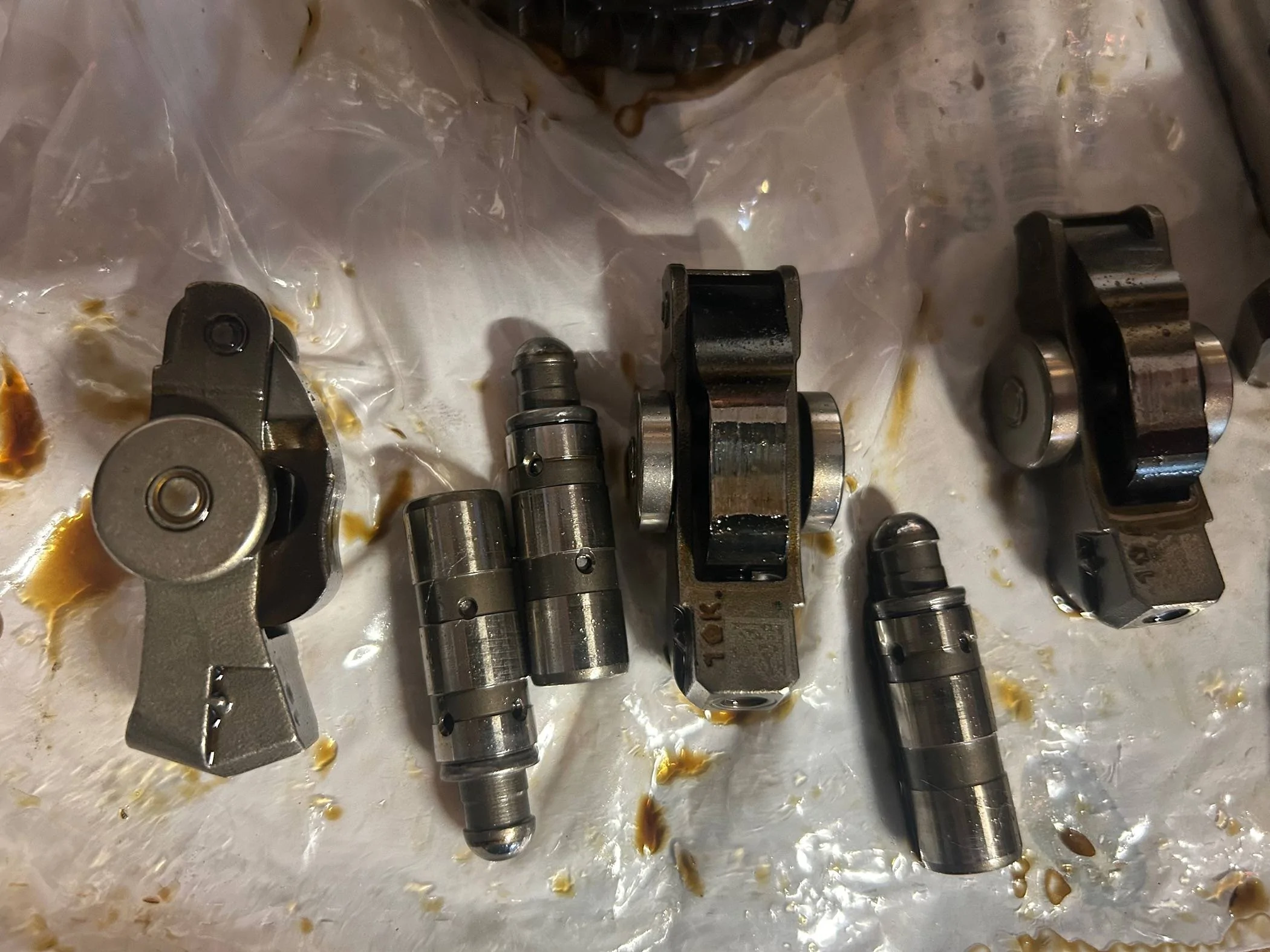
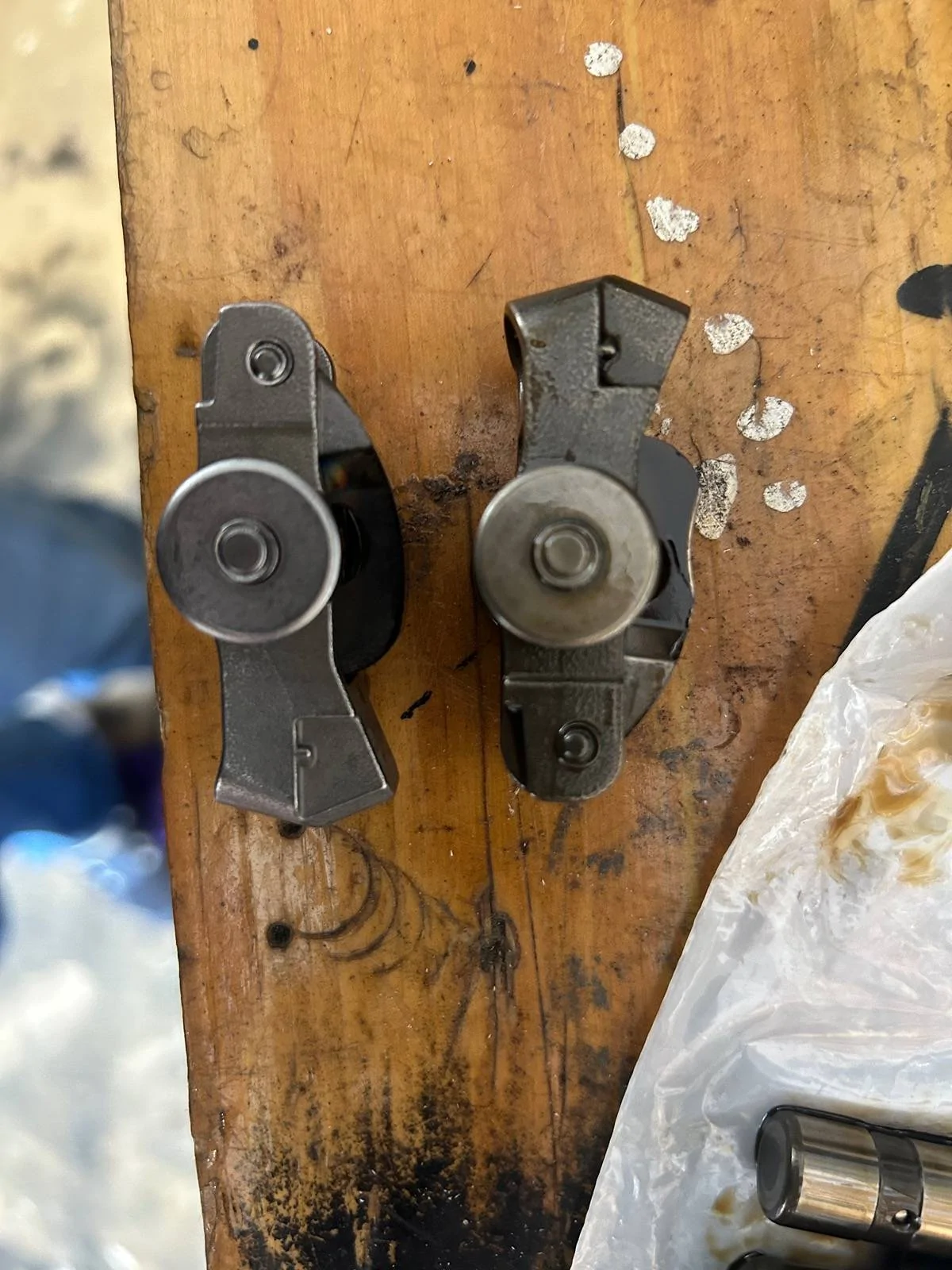
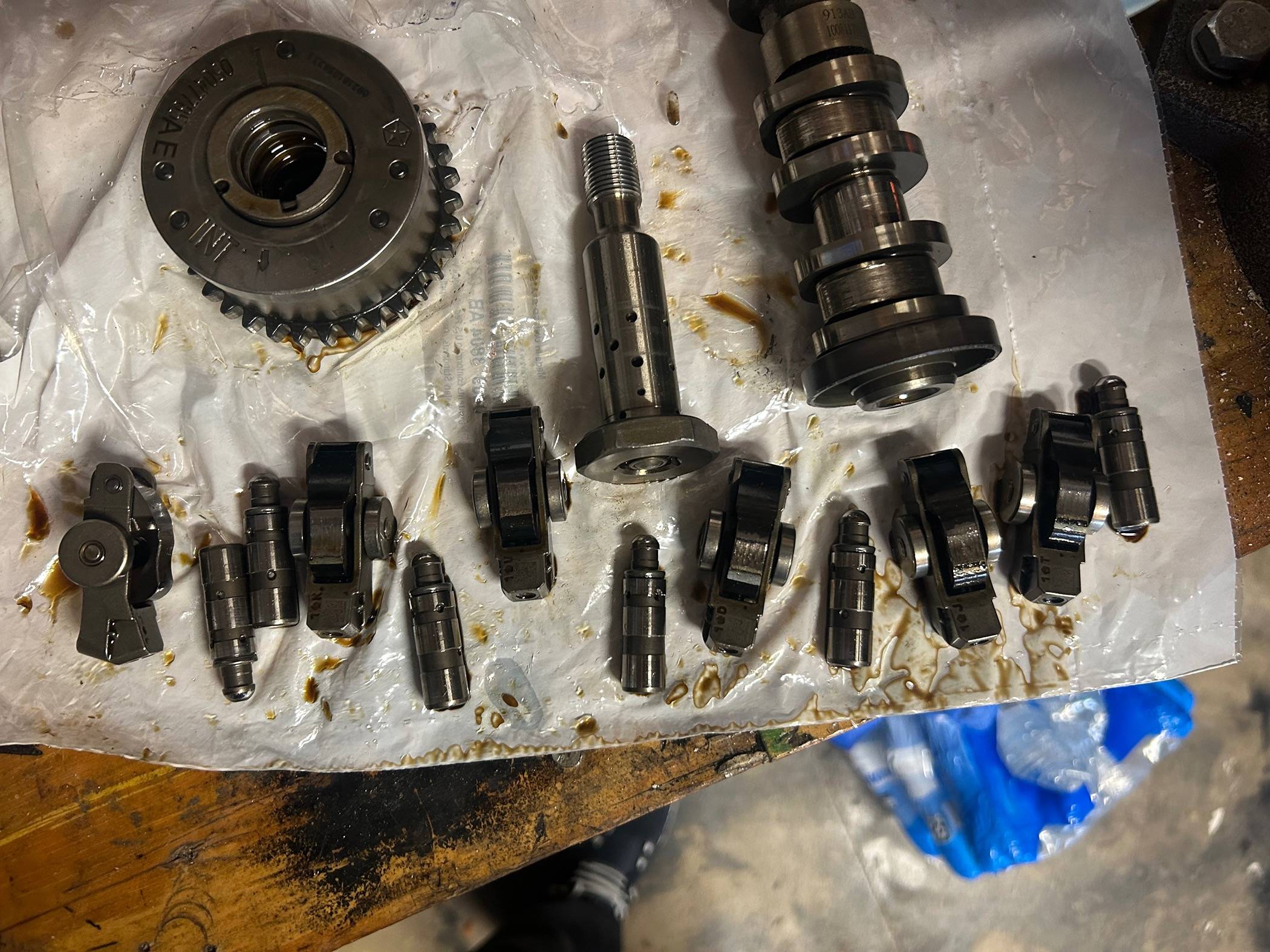
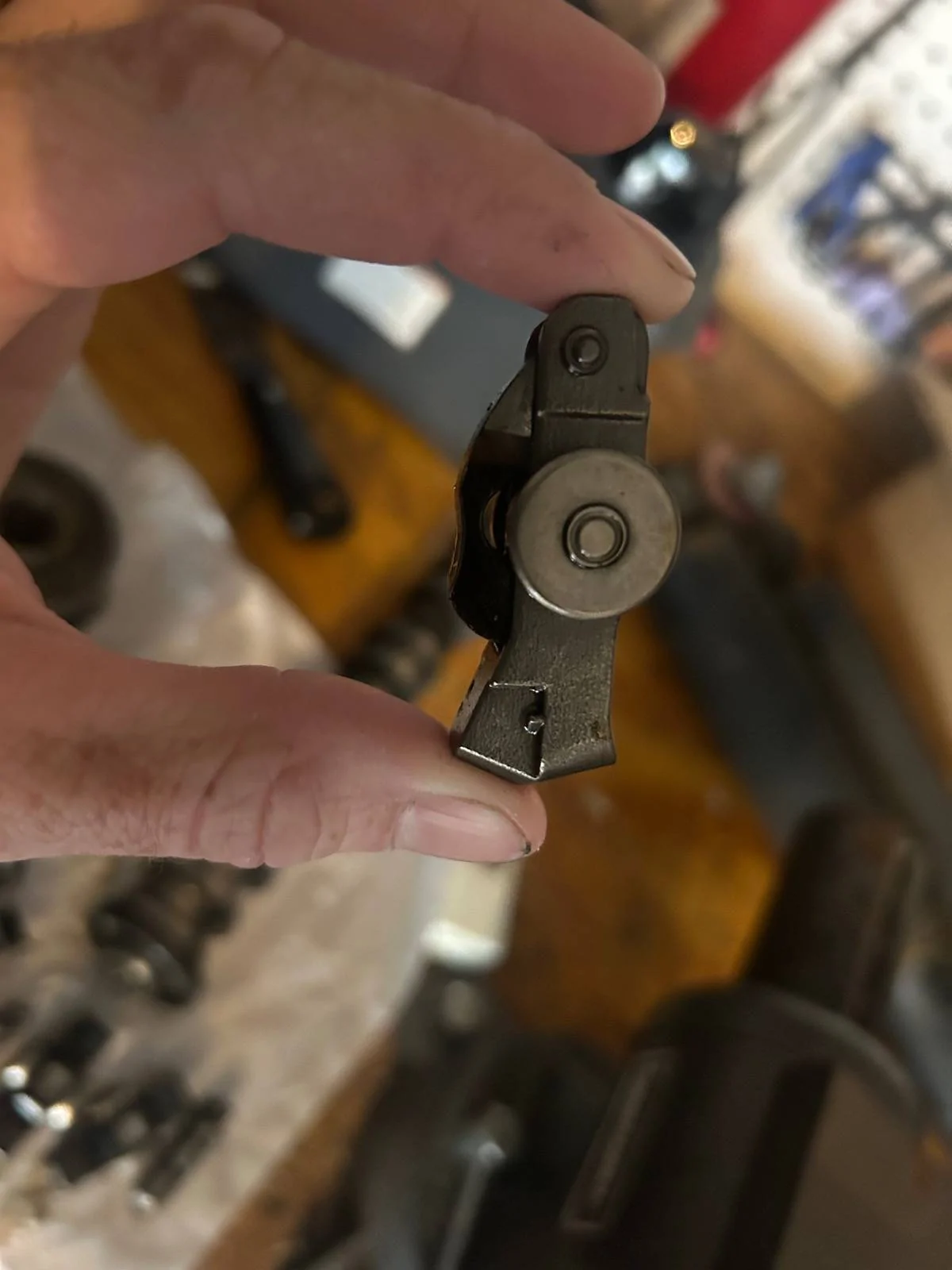
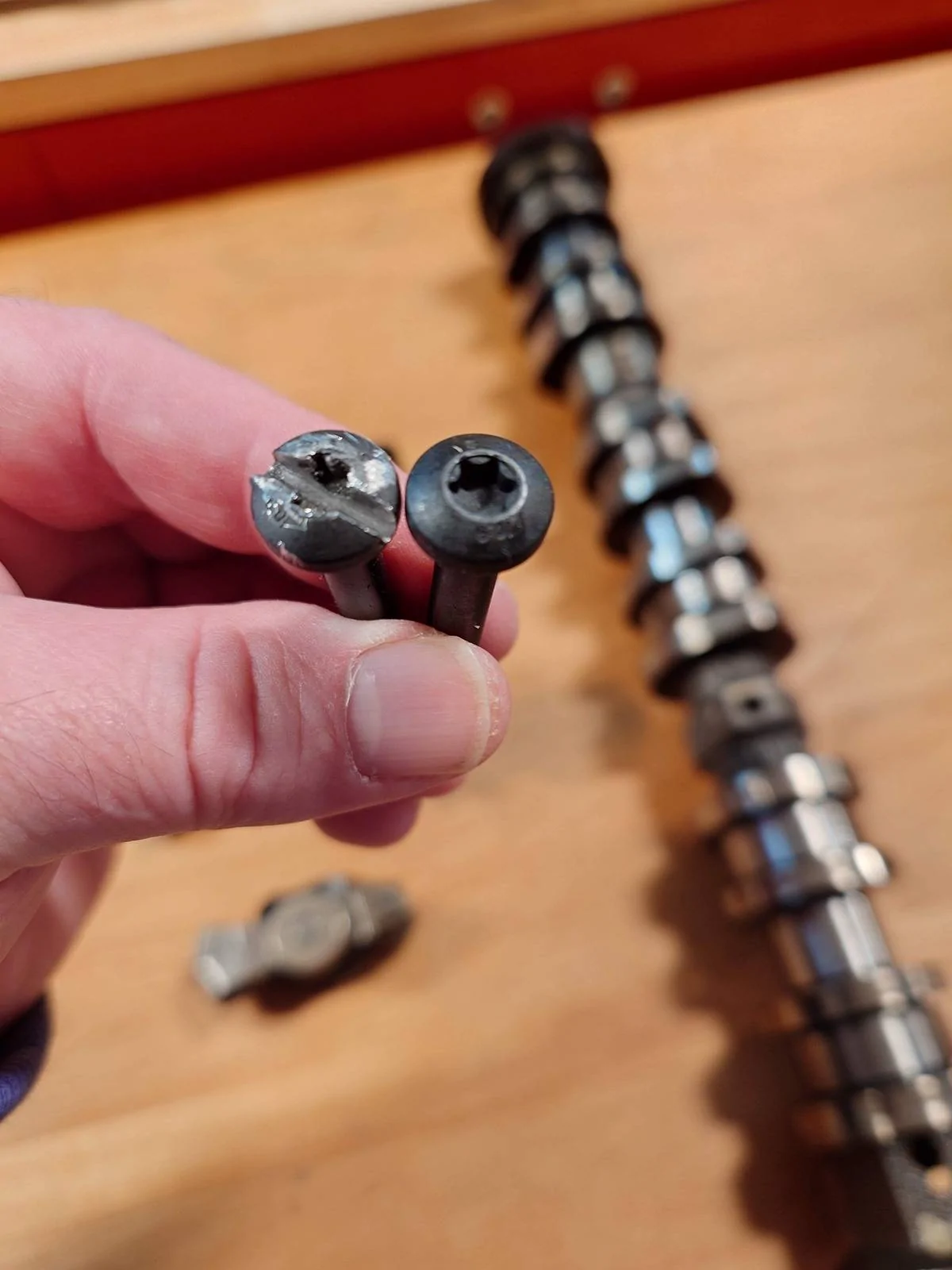
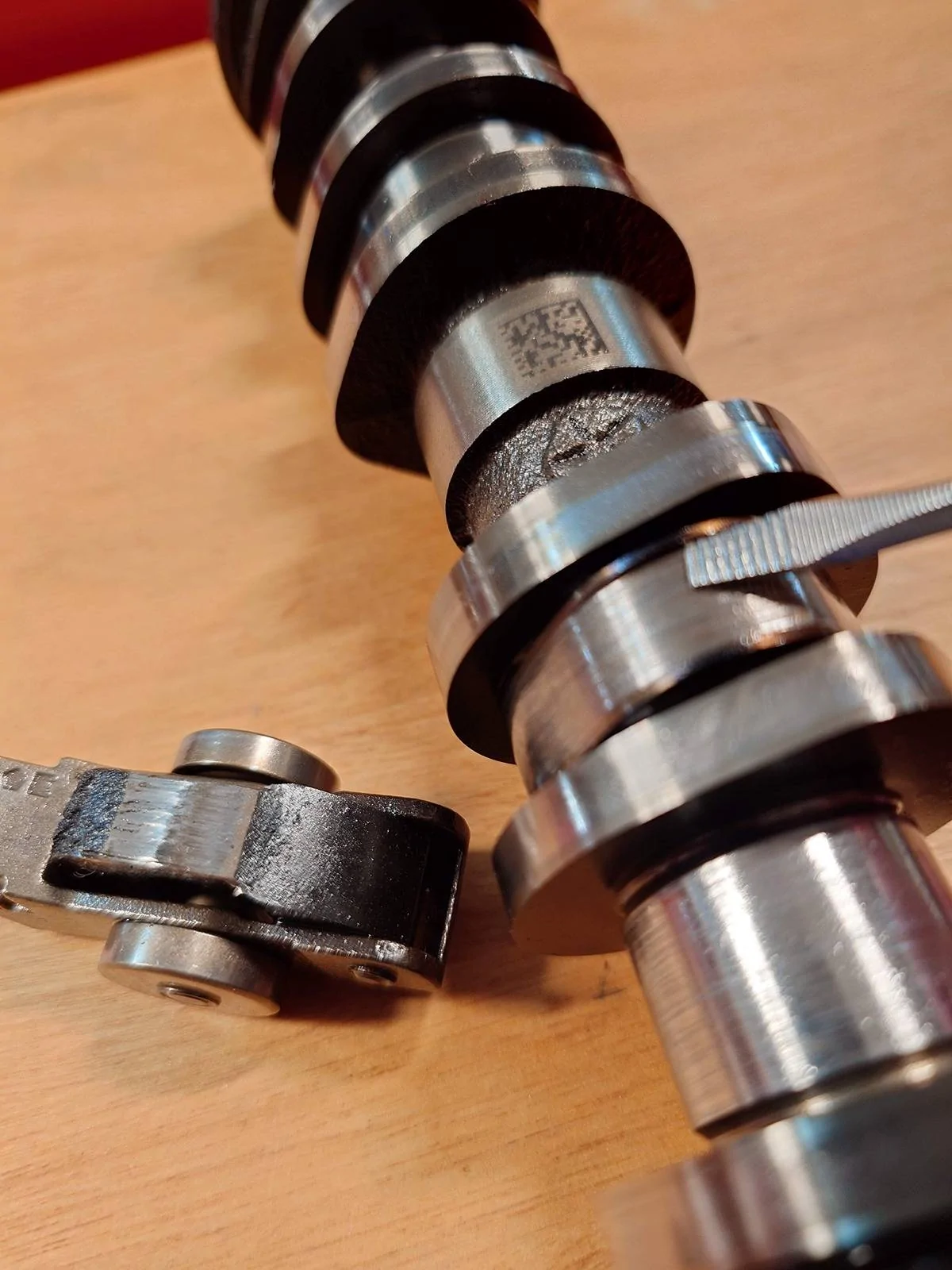
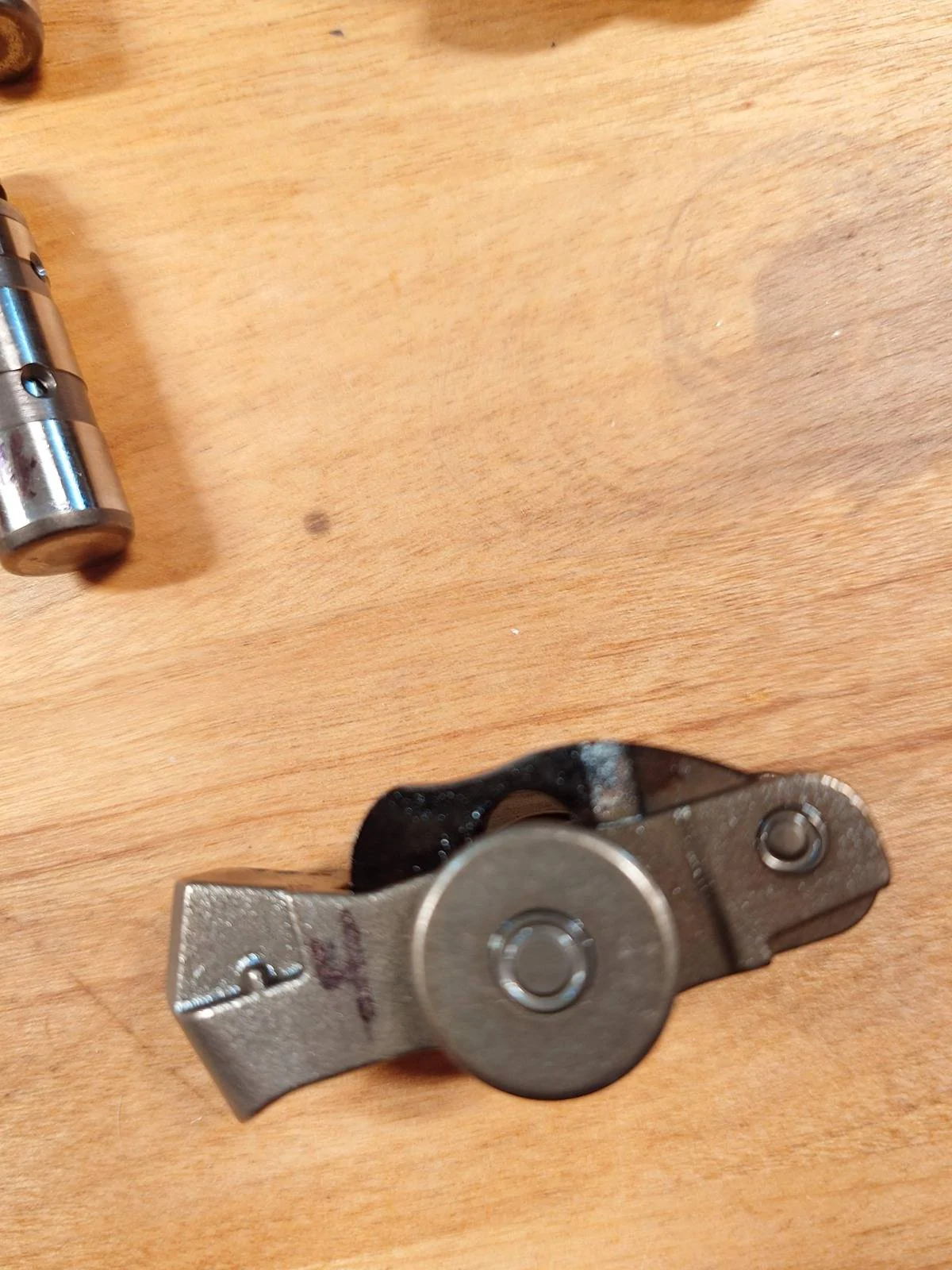
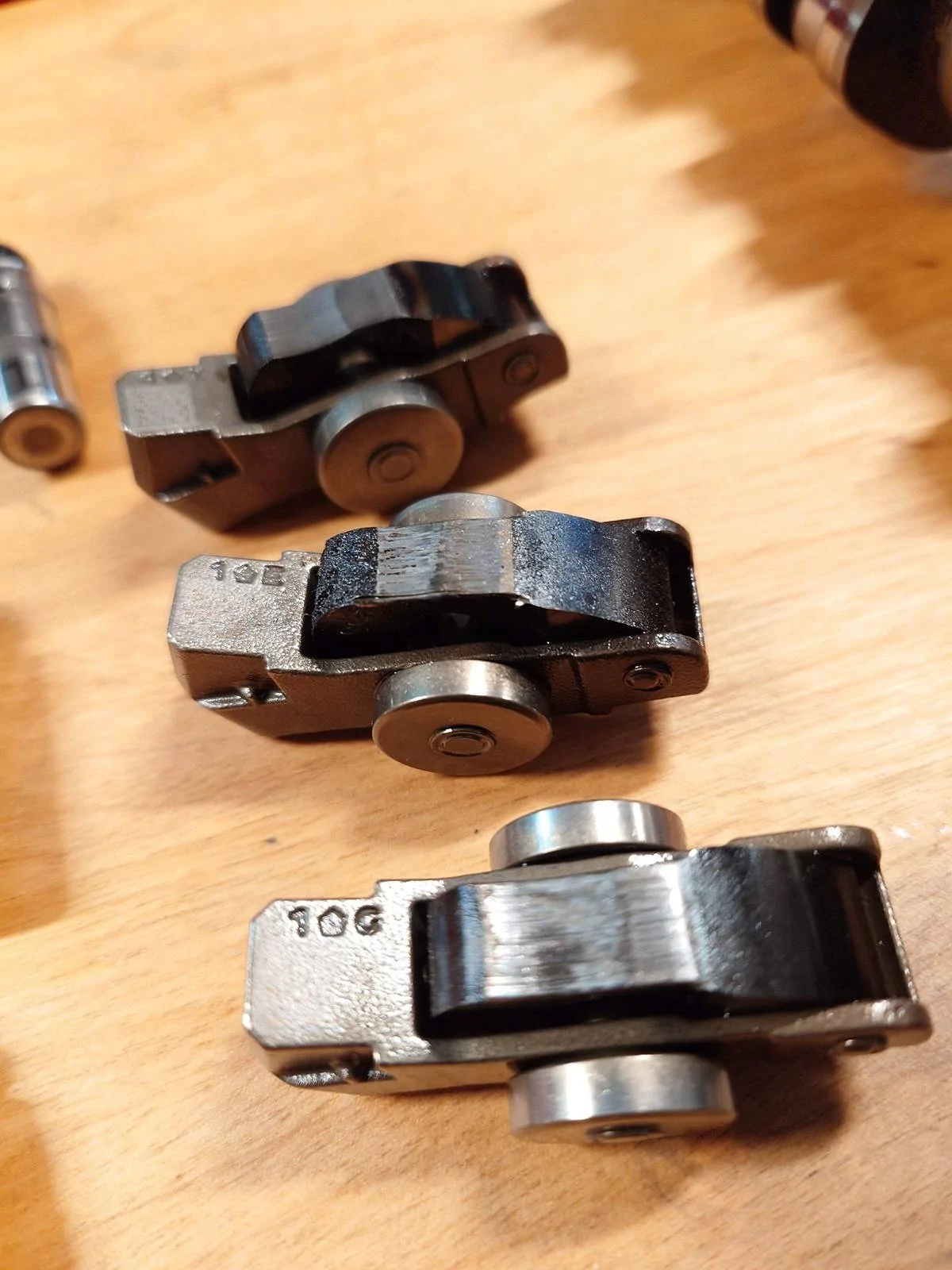
all 6…. 80,000 miles…


IMG_0972.jpeg
IMG_0971.jpeg


IMG_0973.jpeg
Holy shit. So many questions. There's no way that was driving well. Was it ticking? Making other sounds? How long did you ignore the problem(s)? Post more pics/updates after you fix it. I'm pre-learning how to do this because I know it's in my 3.6l future one day.
 

bllprk

Well-Known Member
First Name
Brian
Joined
Aug 6, 2021
Threads
18
Messages
402
Reaction score
478
Location
Kalamazoo, MI
Vehicle(s)
2008 WK CRD
My neighbor is a Chrysler mechanic for 30 years.

I asked him to come over and look at my cam shaft. Without me telling him he knew it would be passenger intake… says he has done this 100’s of times. I borrowed his torque wrench and it was pre set to 22ft lbs and 45 deg (oil control valve). He says it’s a matter of when not if.

He is a Ford fan but his wife drives a JK with the 3.6. He is changing the oil every 2000 miles in hopes of preventing this…

I love my jeep, but this jeep is a piece of junk. Not selling, love this thing, but this engine design is over complicated and prone to failure.

The clutch was garbage, and every plastic clip wants to break, the paint bubbles, the black plastic fenders turn to gray and are held on by more plastic clips that break!

Just being honest and I love this thing!

All that said… this fix has been amazing. Proper idle, proper shut down, more power… loving having an engine again that works as it should.

Let the comments begin!
 

fat_head

Well-Known Member
Joined
Mar 28, 2018
Threads
45
Messages
1,055
Reaction score
2,305
Location
Texas
Vehicle(s)
2018 JLU
Rocker arm replacement costs has gone up from 11.00 each (at the time of the OP writing this) to 121.00 EACH.

Edit: Wait, nevermind, I misread OP's price list. Still crazy price though for a rocker arm.
 

Sponsored

bllprk

Well-Known Member
First Name
Brian
Joined
Aug 6, 2021
Threads
18
Messages
402
Reaction score
478
Location
Kalamazoo, MI
Vehicle(s)
2008 WK CRD
Rocker arm replacement costs has gone up from 11.00 each (at the time of the OP writing this) to 121.00 EACH.

Edit: Wait, nevermind, I misread OP's price list. Still crazy price though for a rocker arm.
Dealer retail is $160 each… and there is rumor of a national shortage. That’s $1000 for 6 rockers.
 

fat_head

Well-Known Member
Joined
Mar 28, 2018
Threads
45
Messages
1,055
Reaction score
2,305
Location
Texas
Vehicle(s)
2018 JLU
Dealer retail is $160 each… and there is rumor of a national shortage. That’s $1000 for 6 rockers.
Yeah. Thats crazy. In my head I was thinking that when I have to do this inevitably, I'd replace them all while I'm there. But good grief, that's expensive now.
 

bllprk

Well-Known Member
First Name
Brian
Joined
Aug 6, 2021
Threads
18
Messages
402
Reaction score
478
Location
Kalamazoo, MI
Vehicle(s)
2008 WK CRD
Holy shit. So many questions. There's no way that was driving well. Was it ticking? Making other sounds? How long did you ignore the problem(s)? Post more pics/updates after you fix it. I'm pre-learning how to do this because I know it's in my 3.6l future one day.
I purchased the Jeep with 40,000 miles on it two years ago. not sure if it’s related, but when I start the engine, I would see a little proof of smoke come out the exhaust.

But I’ve noticed the more significant symptoms since October 2023. I knew something was wrong but didn’t know what and it mostly drove great so I left it.

The included a rough idol, the engine took an extra second to turn off, it kind of rumbled to a stop. And then the Jeep had little torque in lower RPMs.

What made me look at it was when I tried to tow a trailer and struggled to pull a lightweight trailer on the highway. The engine threw a code and did terrible.

Yes, a loud tick.

So far, all of the symptoms are gone. It runs so smooth now.
 
Last edited:

roaniecowpony

Well-Known Member
Joined
Dec 4, 2018
Threads
195
Messages
12,990
Reaction score
20,647
Location
SoCal
Vehicle(s)
2018 JLUR, 14 GMC 1500 CC All TERRAIN
Occupation
Retired Engineer
1. Did you just let the coolant drain out when you removed the heater hoses? Or did you pre-drain the coolant?
2. Were you able to inspect the cams / rockers / lifters without removing the cam shaft? As in reach down and wiggle them? I suspect you can see the cam damage pretty easy?
3. What direction do you rotate the crank shaft to position the cams?

I have for sure (I think) and bad cam phaser / oil control valve. That is my priority but I also hear some ticking. I am going to open it up to replace the phaser but I will look for cam damage as we..

Thank you
There's a recessed allen head pipe plug in the side of the block on the passenger side. It will get the coolant down low enough to pull the hoses on top. Or you can simply pull the lower radiator hose apart at the Tee connector in the center front of the engine. Get one of those large cement mixing trays from HomeDepot to drain into. Having a lot of large cardboard sheets under the tray will keep your driveway/garage floor clean. There are drains on the driver side too, but there's so much stuff blocking access.
 

roaniecowpony

Well-Known Member
Joined
Dec 4, 2018
Threads
195
Messages
12,990
Reaction score
20,647
Location
SoCal
Vehicle(s)
2018 JLUR, 14 GMC 1500 CC All TERRAIN
Occupation
Retired Engineer
My neighbor is a Chrysler mechanic for 30 years.

I asked him to come over and look at my cam shaft. Without me telling him he knew it would be passenger intake… says he has done this 100’s of times. I borrowed his torque wrench and it was pre set to 22ft lbs and 45 deg (oil control valve). He says it’s a matter of when not if.

He is a Ford fan but his wife drives a JK with the 3.6. He is changing the oil every 2000 miles in hopes of preventing this…

I love my jeep, but this jeep is a piece of junk. Not selling, love this thing, but this engine design is over complicated and prone to failure.

The clutch was garbage, and every plastic clip wants to break, the paint bubbles, the black plastic fenders turn to gray and are held on by more plastic clips that break!

Just being honest and I love this thing!

All that said… this fix has been amazing. Proper idle, proper shut down, more power… loving having an engine again that works as it should.

Let the comments begin!
Yeah, that intake rocker has a rub block, not a roller like the exhaust and pre-PUG. As far as being overly complex, it's all about fuel economy. They're trying to squeeze a lot of horsepower out of a small displacement engine, which has to be very tractable for all the vehicles it goes into. They're making 1.3 hp/c.i. with a naturally aspirated engine. It idles nicely, and has good low and mid range power. So, they have to do backflips to get that kind of performance out of the little engine. But, frankly, I think I'd rather have had a simpler, more reliable valvetrain with a turbo/supercharger than this internal complexity.

I'm just wrapping up my 3.6 replacement with a new 2024 Gladiator take-out. I'm hoping to get more miles out of this one than the last (only 34,000).
 
Last edited:

Sponsored

bllprk

Well-Known Member
First Name
Brian
Joined
Aug 6, 2021
Threads
18
Messages
402
Reaction score
478
Location
Kalamazoo, MI
Vehicle(s)
2008 WK CRD
Note: The cam I replaced was Rev AB and I replaced it with a AD.

The rocker I replaced was a RevAC and I put an AD in.

The lifter was AB to AC.

So Jeep modified all of these components.

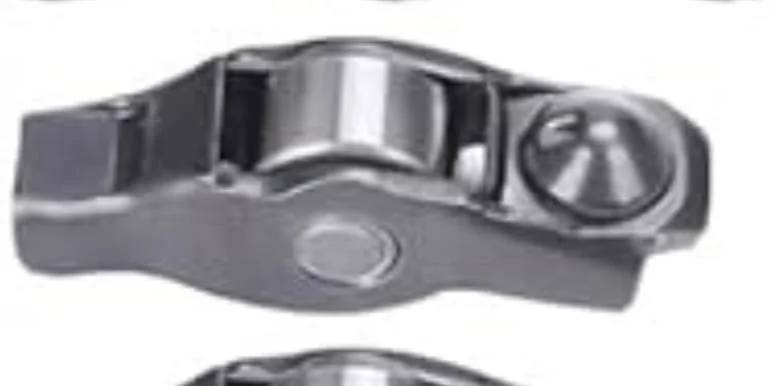
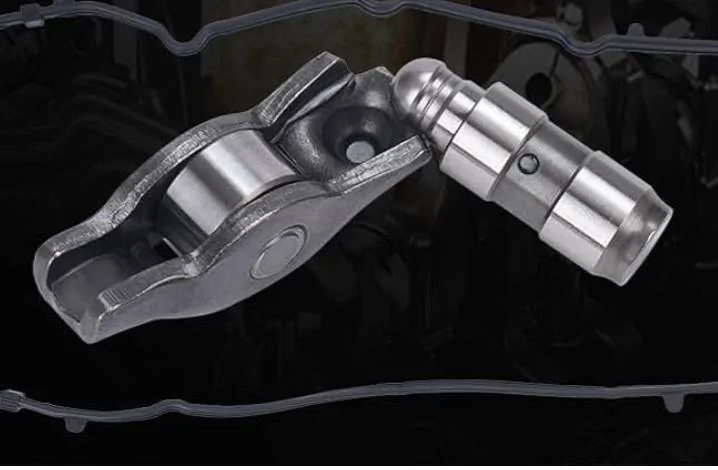
Other notes: The VVT only engine had a roller interacting with the cam lobe.
Jeep Wrangler JL Failed Rocker Arm & Camshaft Replacement IMG_1118


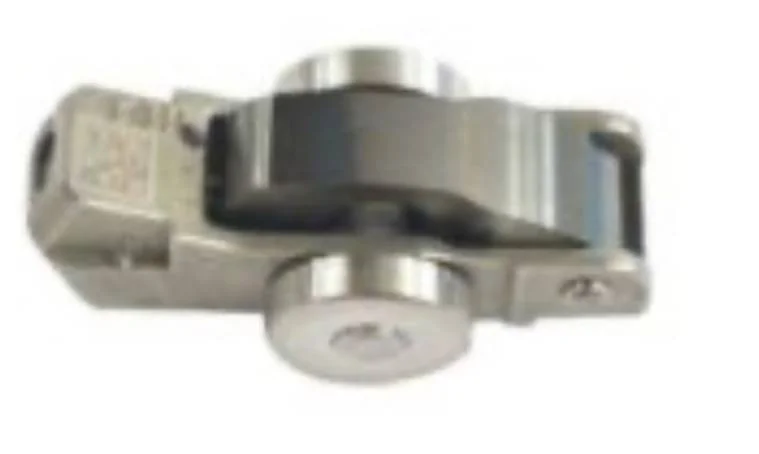
My engine (VVT and VVL) is metal sliding on metal for the low lift mode. High lift mode uses a bronze bushing on a roller.

Jeep Wrangler JL Failed Rocker Arm & Camshaft Replacement IMG_1117


low lift slides on the dark gray surface. High lift on the side wheels.

The exhaust lifters are the older, simpler, design.

So I think it could be 3 things:
1. Insufficient oil
2. Material Hardness
3. Maybe the VVT and VVL systems are out of sync due to a bad phaser.

When I took it all apart, all was covered in a healthy amount of oil. Maybe it was starved at some point? Not sure.

Both the rocker and the cam were equally worn. That would mean they are the same hardness. So, if one was soft it would have taken the majority of the wear. So, I don’t really think one was really out of spec.

I know my phasers were out of sync a lot. Maybe?

Crappy design to save 0.1 MPG? Maybe?

Jeep Wrangler JL Failed Rocker Arm & Camshaft Replacement IMG_1115

Jeep Wrangler JL Failed Rocker Arm & Camshaft Replacement IMG_0982


Jeep Wrangler JL Failed Rocker Arm & Camshaft Replacement IMG_1114


Jeep Wrangler JL Failed Rocker Arm & Camshaft Replacement IMG_1113


Jeep Wrangler JL Failed Rocker Arm & Camshaft Replacement IMG_1116


Jeep Wrangler JL Failed Rocker Arm & Camshaft Replacement IMG_1115
 
Last edited:

roaniecowpony

Well-Known Member
Joined
Dec 4, 2018
Threads
195
Messages
12,990
Reaction score
20,647
Location
SoCal
Vehicle(s)
2018 JLUR, 14 GMC 1500 CC All TERRAIN
Occupation
Retired Engineer
Note: The cam I replaced was Rev AB and I replaced it with a AD.

The rocker I replaced was a RevAC and I put an AD in.

The lifter was AB to AC.

So Jeep modified all of these components.

Other notes: The VVT only engine had a roller interacting with the cam lobe.
IMG_1118.jpeg


My engine (VVT and VVL) is metal sliding on metal for the low lift mode. High lift mode uses a bronze bushing on a roller.

IMG_1117.jpeg


low lift slides on the dark gray surface. High lift on the side wheels.

The exhaust lifters are the older, simpler, design.

So I think it could be 3 things:
1. Insufficient oil
2. Material Hardness
3. Maybe the VVT and VVL systems are out of sync due to a bad phaser.

When I took it all apart, all was covered in a healthy amount of oil. Maybe it was starved at some point? Not sure.

Both the rocker and the cam were equally worn. That would mean they are the same hardness. So, if one was soft it would have taken the majority of the wear. So, I don’t really think one was really out of spec.

I know my phasers were out of sync a lot. Maybe?

Crappy design to save 0.1 MPG? Maybe?

IMG_1115.jpeg

IMG_0982.jpeg


IMG_1114.jpeg


IMG_1116.jpeg


IMG_1115.jpeg


IMG_1113.jpeg
Just my general background indicates to me that letter revisions are minor changes and part number revisions are major changes. The definition of major and minor is the subject of many documents, depending on the industry. But, my guess would be that a major change would be one that requires full qualification testing and analysis.
 

moto jeep

Member
Joined
Apr 9, 2020
Threads
1
Messages
20
Reaction score
6
Location
seattle
Vehicle(s)
2020 Wrangler 3.6L
A post for true amatures, rookies and mechanical dweebs who'd prefer not to do this job themselves but are either too cheap or too poor to have it done. Learn from me....you'll save time and frustration. This is not a How To from start to finish....plenty of those elsewhere. This is my story and a few major things to watch out that made me do each bank TWICE!!

The below are my tips that I havent actually seen, read or been told of elsewhere......

1) Each side can be done independently as separate projects
2) my left/right side is as you are sitting in jeep facing as you are driving. So the right side is the left side (battery side) as your outside the jeep facing the engine bay towards the window.
3) I replaced all 24 lifters and rockers. I only removed one damaged cam. The other 3 cams I did not remove in order to replace the new lifters/rockers. In short…I loosened the cam cap bolts, used the phaser inserts to loosen the cam chain, raised the cams as much as the loosened cap bolts would allow….which gave just enough room to remove/replace the lifters/rockers.

Time consuming PITA reduction RIGHT SIDE tips
  1. Need to remove air box/intake - inorder to get your arm/ratchet down to the crank
  2. Dont need to remove plenum (intake manifold)
  3. Dont need to drain antifreeze. Use towels. Detach 4 hoses from 4 pipes atop the valve cover. As you remove each hose, use towels to catch antifreeze - not much comes out.
Use bungie cords to pull and hold back the 4 hoses vertical while you work. Pull them back so they are not over the valve cover. To remove the 4 hoses from the pipes you will need a wide nose pliers, and windex. Spray windex on the metal clamps to lubricate the rubber and then squeeze and wiggle the clamps back off the pipe portion. The windex will lubricate the rubber so the metal slides better, and the windex will quickly dry and leave no mess. Top up the antifreeze overflow tank at end of project.
The metal side of the hoses you can also bungie them back….you cannot fully pull them back….but just enough to get at the valve cover. Youll pull them towards the front of jeep and hold with bungie cords.
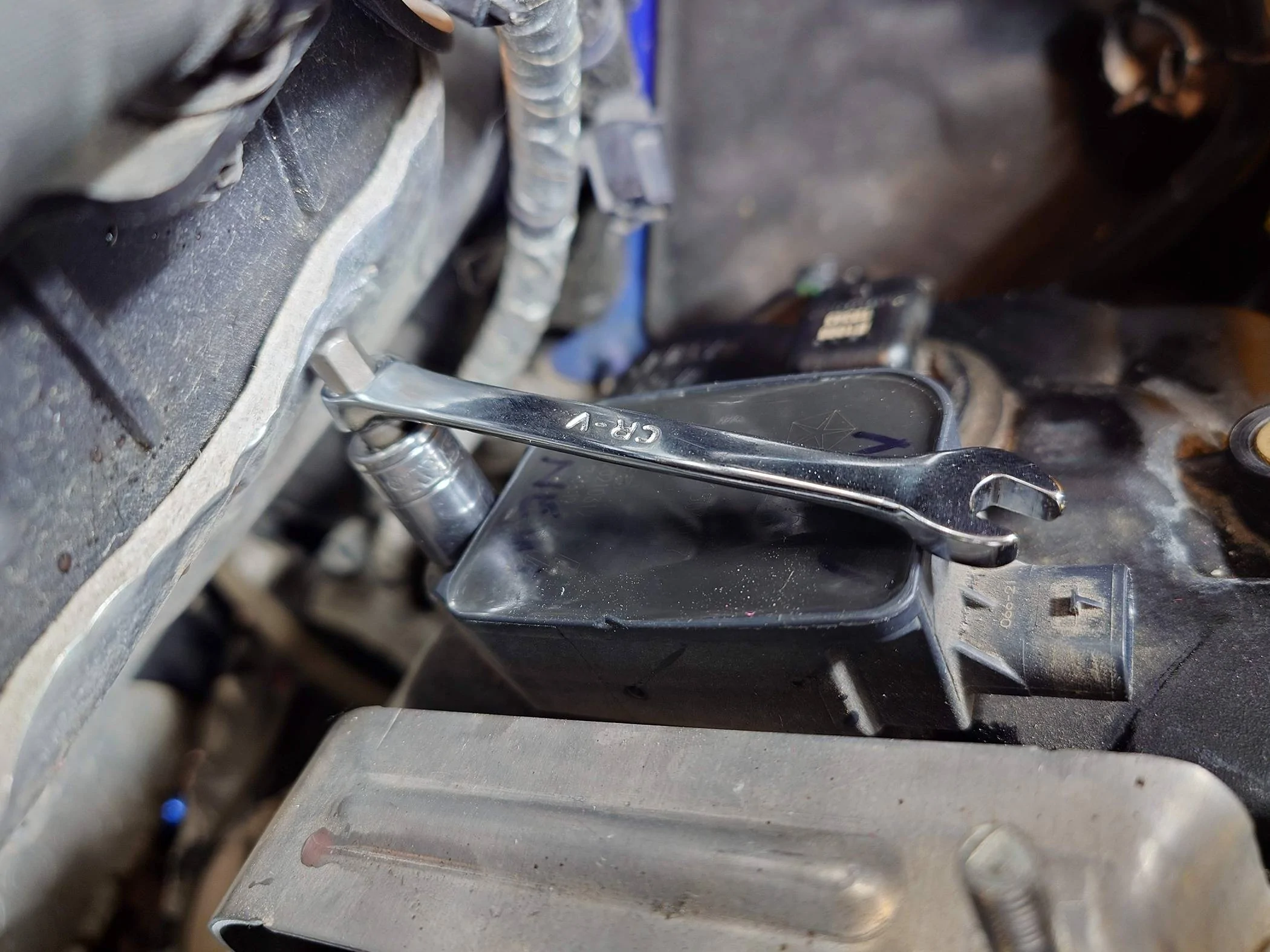
  1. No need to remove battery, or battery basket/holder. Many people say need to do this in order to remove the bolts holding the spark plug coils. But no need. The battery basket does make it very difficult but what you use is: find your shortest 10mm socket, mini ÂĽ inch wrench - closed end, and a 2.5 cm long socket to ratchet adaptor - see photo. (napa part BK 7755959). Put these together and you will be able to squeeze it onto the coil bolt and turn it off and on, all without removing battery and basket.
  2. Remove the spark plugs - makes it much easier to turn crank later - make sure your spark plug socket has a rubber insert to grab the plug - otherwise it will just fall off the socket as you try to pull plug out after unthreading. On the flip side, tape the socket to the ratchet extension when re-inserting the plugs as the rubber insert will hold too tightly to the plug, and separate from the ratchet extension as you attempt to remove the tool after threading the plug back in, the socket will just stay stuck to the plug down in the hole as you pull out the ratchet/extension.
  3. Removing the valve cover, even with everything off, is tricky, frustrating and maddening. Go slow and dont man handle it - I did and that didnt turn out well for me. It seems if you lift the front first, then slide it back towards firewall, then a little twisting, and then left back side of cover, then forward a little, and then if your lucky completely off without blowing your blood pressure.
  4. Now the fun begins. You can see the cams etc. For starters…..when removing the 8 hex bolts holding the cams on……be sure to clean the oil out of the hex hole before removing…..alcohol works (you will be changing the oil anyway at the end, right??) These bolts are in tight and subject to easily stripping. The oil makes your hex bit not get good grip and slip. Also, use your hands, dont use an electric tool for these. Push down hard with one hand and turn slowly with controlled force with the other. I stripped one, and it took me 2 hours to cut into it, make a grove and back it out….not to mention a trip to the dealer to buy a new bolt.

The following is the biggest and most important “tip” Not knowing this is why I had to tear this apart twice! So, if you see that the right intake cam is a gonner and you need to replace it…..there is a critical re-installation tip to know about. So, as you’ve read elsewhere the first thing you do is turn the crank to align the lines on the phasers, with the cam holes sticking up, all to take the tension off the rockers….this is good and well but……in this position NOT all the tension is off the rockers. This point is KEY. The rear two rockers will still have a little tension on them. So what happens is that as you separate the phaser from the cam, the cam rotates slightly clockwise. Its hardly noticeable and easily missed…..especially after having struggled with the valve cover removal, frustration, and maybe even a few beers in. On old cam removal its no big deal…..your just happy to get that damn thing out. But when you put the new one in, and torque (160nm) the cam to the phaser you need to pay attention to this….barring ruining your new cam. Keep reading…..The inside of the phaser where it attaches to the end of the cam has a locating pin that sides into a hole at the end of the cam - this is what keeps your timing correct - (assuming you have placed the phaser sprocket into the very same chain link when removed). So as you place the new cam onto the bearings, and then torque it down with the 4 caps (at this point it is NOT connected yet to the phaser/chain) its orientation will be off (slightly clockwise) because there is nothing holding it in its correct orientation. The next step obviously is to slide on and torque the phaser with the oil control valve bolt to the cam - but be careful! I am sure most of you already know what I did…..as you screw on the oil control valve bolt thru the phaser and into the cam, you will eventually apply lots of muscle (160nm). If the locating pin is not aligned with the little hold on the cam as you torque then your screwed. I did this. I literally torqued so hard that the pin gouged into the cam and created its own new hole!!! (I put the whole damn thing back together like this….started it up…..and it immediately threw a code of missed cam timing with rough idle). So, what you need to do……with the torque wrench in your right hand pushing clockwise on the oil control bolt, your left hand holds a big crescent wrench on the cam pulling counter clockwise (dont need to pull much), enough to pull the cam counter clockwise slightly so the holes are back pointing up and so you can turn the oil control bolt and pin into the cam correctly and smoothly. Now that the phaser is attached to the cam, it will hold the cam in its original orientation - with slight tension on the rear 2 rockers as you started.

So yup, I ran the jeep for several thousand miles like this. Rough idle, cam timing off, and horrible gas mileage and down on power…..all because I didnt notice that the cam was not aligned into the phaser locating pin upon torquing it down. I bought another new cam and re-did the job and the engine runs normal….except for the mistake I did on the left bank!!!! Read on for that one.

My LEFT SIDE tips -

  1. The left side is much easier than the right. No antifreeze hoses to deal with, but the valve cover is a huge PITA to remove and replace. I damaged mine removing and replacing…..read on for how that happened.
  2. The biggest tip for the left side is dealing the EGR and a some stupid bracket that holds the EGR, the plenum and other crap on that side. Both the EGR and this bracket obstruct easy removal of the valve cover. 1) the EGR needs to move. BUT it does not actually need to come off. You do need to fully remove the EGR pipe though. After that you need to back out the 2 bolts holding the EGR to the side of the engine. These bolts are fairly long…..I think 1 ¼ inch…..so you can back them out enough to be able to move the EGR and not have to take the bolts fully out……this is good because aligning the EGR bolt holes back up with fully removed bolts is a HUGE PITA…(youll use your fingers to get the bolt to the hole, your arm will be contorted down left of the antifreeze tank, down and then back up at your elbow and your hand reaching blind to the holes….all with the bolt and not dropping it, and your right hand operating the wrench to turn the damn bots).....keeping the bolts in you still have to do that but its much easier. So pull the EGR down and away from the block (sliding on the bolts) as you remove/replace the valve cover. As for the bracket….this is the black bracket that two left side, horizontally protruding threaded screws are sticking out of the plenum have to go into. This bracket needs to be pulled sideways, left or away from the engine in order for the valve cover to clear it during removal/install. I used a 2 foot long tire iron. I stuck it down between the engine and bracket and pulled or bent it back - about 4 inches or so….and even this the valve cover hits it. Other than these two huge PITA items….the left valve cover is quite obedient at doing what you want. So why I had to do this side TWICE as I did the other bank twice…..is upon the left valve cover removal I did not move the EGR enough. It was stuck and I yanked it out forcefully. This broke off pieces of the plastic lip where the gasket fits into. I found the pieces and superglued it back together…..yup thats what I actually did. But there is more…….upon re-installing the cover…and again not moving the EGR enough I man handled the cover back into place. As I pounded the cover back down near the EGR, unbeknownst to me the rubber gasket got caught up on one of the sharp edges of the cam cap and ripped. But I had no idea at the time. As far as I was concerned the cover was on!! Well……upon starting the engine….with my right bank screwup giving me missed cam timing, the left side now wasnt able to produce just enough vacuum inside the valve cover during start up, hence a slow build up of pressure of the lifters….I got cold start ticking (despite brand new lifters/rockers), and as a bonus the valve cover leaked oil to the undercarriage of the jeep and driveway!! I drove a few thousand miles like this.

In the end I had to re-do both sides. The jeep is tight now, no noises, no oil leaks….lets see whats next.

Jeep Wrangler JL Failed Rocker Arm & Camshaft Replacement 20231210_130216


Jeep Wrangler JL Failed Rocker Arm & Camshaft Replacement 20231217_160715


Jeep Wrangler JL Failed Rocker Arm & Camshaft Replacement 20231217_160401


Jeep Wrangler JL Failed Rocker Arm & Camshaft Replacement 20231217_160530


Jeep Wrangler JL Failed Rocker Arm & Camshaft Replacement 20231217_160509
 

hjdca

Member
First Name
Harry
Joined
Jun 7, 2024
Threads
0
Messages
12
Reaction score
6
Location
Southern California Mountains
Vehicle(s)
Jeep Gladiator Rubicon manual Sting Gray
Build Thread
Link
Thanks for the info. My passenger side intake cam, rockers, lifters, phaser, OCV were just replaced. I am wondering what was the build date of your Jeep ? I bought my JTR in Oct. 2019, approx. a summer 2019 build...
 

FreeBee

New Member
Joined
Sep 4, 2024
Threads
0
Messages
1
Reaction score
1
Location
KANSAS
Vehicle(s)
'19 JLU
Just did my right side Intake Cam , Rockers, Tapets.
Mopar online has the Intake Cam 68661147AA for $464.49 (which includes the ROCKERS and Valve cover gasket, sparkplug gaskets, RTV)(it DOES NOT SAY THEY ARE INCLUDED) .... thatis cheaper then just buying (6) rockers separately 5047896AD for $519.78
Sponsored


Top