
CarbonSteel
Well-Known Member
- Thread starter
- #1
Does anyone know the part number of the new version of the 3.6L PCV? Most online places list 68210345AC and that is what I bought but wanted to confirm.
TIA.
TIA.
Sponsored


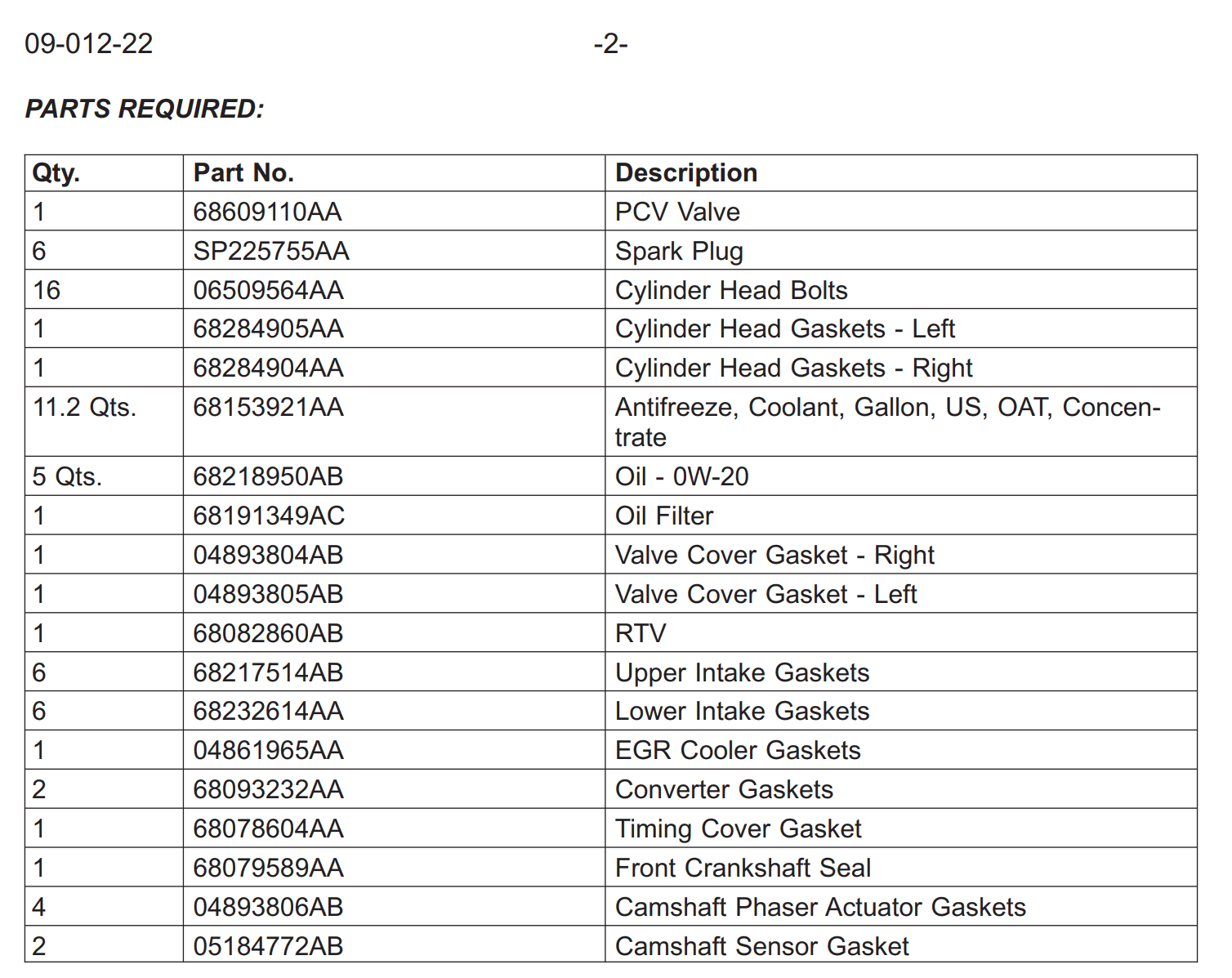
I did not know about this TSB. What's strange is the original PCV valve service part number is not superseded by this new number.In the TSB they list the part as 68609110AA I'm trying to find this version as well.

I'm trying to get my hands on one to understand the difference between them.I did not know about this TSB. What's strange is the original PCV valve service part number is not superseded by this new number.
The new valve is available to order but is on backorder for 30-45 days , Here is a link
https://parts.allmoparparts.com/oem-parts/mopar-valve-68609110aa
@CarbonSteel Did you end up ordering the original one from us?
- Benny
I would guess its more restrictive and or has a baffle that prevents any possible oil ingestion into the intake tract but IMO the best protection for this would be an oil separator like this one https://www.jlosc.com/JL-oil-separa...20-3-6l-jeep-wrangler-jl-2020-jeep-gladiator/I'm trying to get my hands on one to understand the difference between them.
Benny - no, it was from a different vendor. Are you saying that part number 68609110AA has superceded part number 68210345AC?I did not know about this TSB. What's strange is the original PCV valve service part number is not superseded by this new number.
The new valve is available to order but is on backorder for 30-45 days , Here is a link
https://parts.allmoparparts.com/oem-parts/mopar-valve-68609110aa
@CarbonSteel Did you end up ordering the original one from us?
- Benny
Technically no from our end but the TSB has this number listed, If this is an improved design I am not sure why Mopar does not forward all of them to this number from here on.Benny - no, it was from a different vendor. Are you saying that part number 68609110AA has superceded part number 68210345AC?
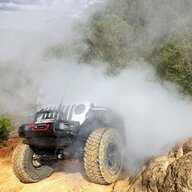
will this prevent hydro lock or contribute to it ? as when oil enters the cylinders due to high angles ?I would guess its more restrictive and or has a baffle that prevents any possible oil ingestion into the intake tract but IMO the best protection for this would be an oil separator like this one https://www.jlosc.com/JL-oil-separa...20-3-6l-jeep-wrangler-jl-2020-jeep-gladiator/
Installation take about 10 minutes and its completely plug and play.
- Benny
I had an engine failure and they blamed the catch can for it....I would guess its more restrictive and or has a baffle that prevents any possible oil ingestion into the intake tract but IMO the best protection for this would be an oil separator like this one https://www.jlosc.com/JL-oil-separa...20-3-6l-jeep-wrangler-jl-2020-jeep-gladiator/
Installation take about 10 minutes and its completely plug and play.
- Benny
How is that even possible? I mean, even if the can was full or the hoses all fell off, it still shouldn't cause a catastrophic engine failure, right?I had an engine failure and they blamed the catch can for it....
The catch can could contribute to a failure depending on where the can is mounted. If the can is mounted on the front of the motor(UPR is mounted here), then when it’s full and you go up a steep incline, it will dump its contents straight into the intake. Boom, hydro-lock. Extremely rare, but could happen.How is that even possible? I mean, even if the can was full or the hoses all fell off, it still shouldn't cause a catastrophic engine failure, right?
The catch can could contribute to a failure depending on where the can is mounted. If the can is mounted on the front of the motor(UPR is mounted here), then when it’s full and you go up a steep incline, it will dump its contents straight into the intake. Boom, hydro-lock. Extremely rare, but could happen.