

CorgiAttack
Well-Known Member
- Joined
- Aug 15, 2023
- Threads
- 13
- Messages
- 141
- Reaction score
- 86
- Location
- California
- Vehicle(s)
- 2022Rubicon
since they change the radio and dealer recommend use 91 to reduce the cliking sound that happened on 87And people will want to run this on 87 octane.
Volvo 2.0 T6 in 2016: 306 HP, 295 TQ in normal calibration. 324HP 354TQ Polestar software. Full warranty coverage. Ford Mustang 2.3L performance package, 332HP 350TQ, or 310/350 in base trim.
My last Mustang PP 2.3 made 340HP/378 TQ at the wheels on 91 octane, 380HP/422TQ throwing a 5 gallon can of unleaded race gas in it and bumping the programming to the calibration for it. On 91 octane it still hit 31 MPG when traveling.
This isn't new for 2.0 performance, it's a highly technologically advanced way of running an ICE. Historically, the highly advanced combustion cycle engines made by any manufacturer, did NOT end up being the most cost efficient high mileage versions of those engines. This kind of tech is NOT cheap.
It remains to be seen how it does but understand that F1 tech has never transferred well to passenger vehicles over the years. It's unnecessary tech for passenger cars in most respects. Having 4 overhead cam V8's with 32 valves is not as simple or inexpensive as a single cam pushrod V8 with 16 valves. Complex timing chains/belts versus MUCH simpler systems. Formula 1 tech is more complex, more expensive, more expensive to maintain. F1 tech is NOT for longevity, it's for specific output. They get to replace their engines during the season at a certain schedule.
It's cool, it's interesting from an engineering standpoint, it usually doesn't last as long as simpler designs. It costs more money to design, produce, maintain. You spend a lot of resources to then claim it's better on resources.
Having worked on complex engines for longer than Stellantis has been making them, I can say that there are things that will make this a lot more expensive to repair during the life of the vehicle. For people that are willing to spend a lot of money on vehicles, it's not an issue. For people looking to buy and keep a vehicle, this won't be something you want to own in 10 years. It will start burying you in upkeep unlike just buying an older tech vehicle and doing simple things to keep it running.
Not a luddite, I like tech, but not on passenger vehicles that are daily driver's. The more complex you make the plumbing, the easier it is to stop up the drain.
Sponsored





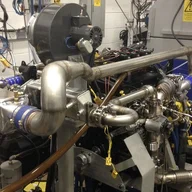

![Jeep Wrangler JL New Jeep 2.0T Hurricane 4 has complex tech [Engineering Explained] {filename}](https://media1.giphy.com/media/v1.Y2lkPTZjMDliOTUyZWFqdHZ3c2t1NGVkM3U4bDF4bzliNjR5ajd1M2lvbG45eTZleGNhaiZlcD12MV9naWZzX3NlYXJjaCZjdD1n/3oKIPlLZEbEbacWqOc/giphy.gif)


![Jeep Wrangler JL New Jeep 2.0T Hurricane 4 has complex tech [Engineering Explained] {filename}](https://media1.tenor.com/m/iksqw2jZSc8AAAAC/modern-problems-chapelle.gif)


