
4a4c55
Well-Known Member
- First Name
- Mike
- Joined
- Mar 14, 2023
- Threads
- 17
- Messages
- 261
- Reaction score
- 243
- Location
- near Seattle
- Vehicle(s)
- 2010 BMW M3, 2020 Sahara JLU
- Thread starter
- #31
Yes.Are you proficient with a voltmeter?
Sponsored

Yes.Are you proficient with a voltmeter?
Note: you can’t sue me if you shock yourself.Yes.
Walmart, all day every day. It's worth a try.Where do you buy automotive batteries that accepts used returns?
It's unlikely. I know my way around the electronicals, and unless I fancy a spark-plug lolipop, the voltages under the hood aren't enough to cause a shock.Note: you can’t sue me if you shock yourself.
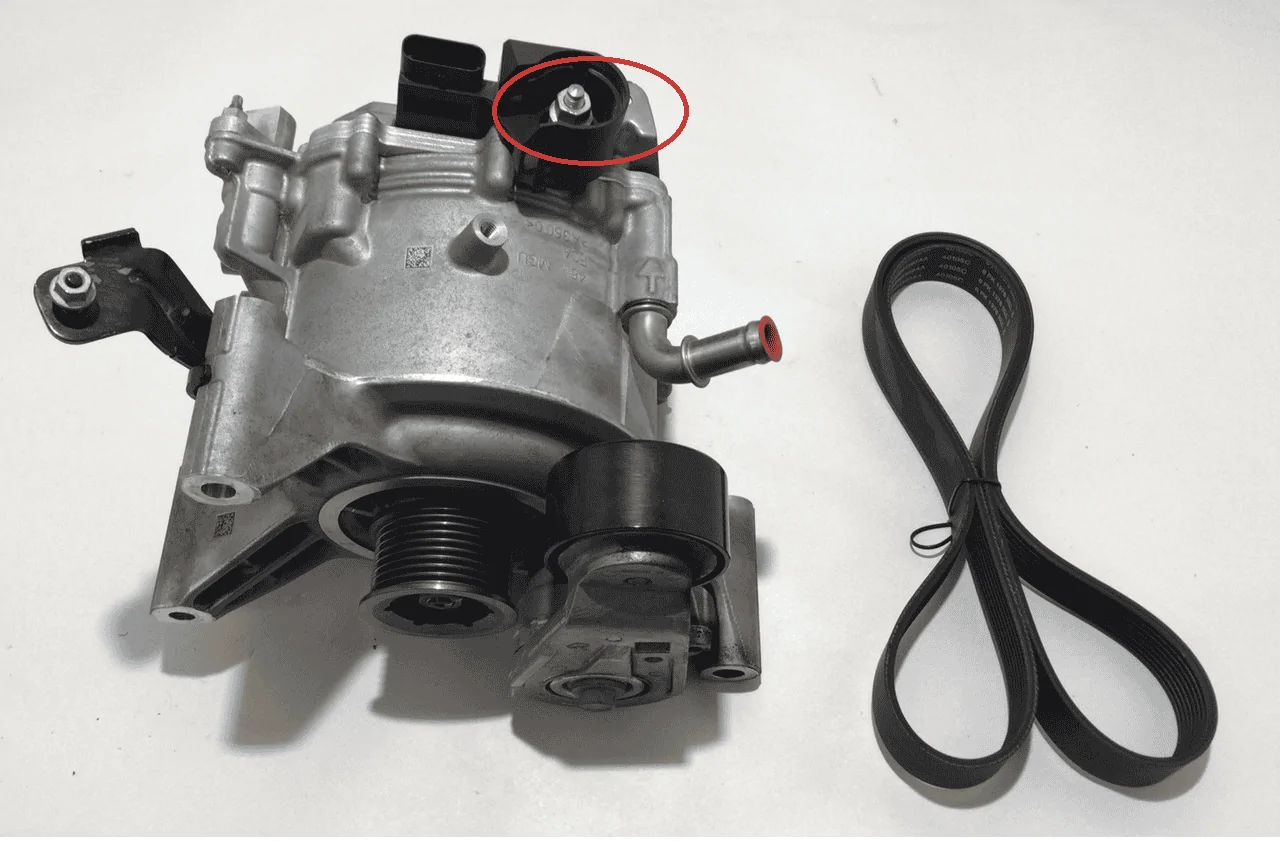
Check the motor generator voltage output directly at the MGU
By all standards, 48VDC is more than enough to wreck your day.It's unlikely. I know my way around the electronicals, and unless I fancy a spark-plug lolipop, the voltages under the hood aren't enough to cause a shock.
![]()
Is this the MGU output? Is it accessible?
Oh, brother.By all standards, 48VDC is more than enough to wreck your day.
.1 amps is fatalOh, brother.
The reported 12v battery status is based on the analysis of the battery sensor. If you doubt the reported status, reset (by unplugging the 2 wire connector) the battery sensor so it will recalibrate it's battery analysis.I'd happily replace it if I knew it was the cause of the issue, but a new battery is $300 and it since it tests good. (See above.) Even knowing that, do you still recommend replacement? Why?
I thought maybe someone in the forum would know how to diagnose the issue. Maybe it's just possible without a factory scan tool. There are no codes, nothing in the display, no other symptoms of a bad (or even weak) battery. The opacity of the eTorque system is quite troubling.
48 volts is not likely to cause 100 milliamps of current across skin. The resistance of human tissue is far higher than you're assuming. Maybe, after a shower and a sauna, someone might coat themselves in baby oil and then have a problem, but that's not what most people do before working on a vehicle. "By all standards" (IEC, BS, UL, ...) this voltage is "low" or "extremely low". Some of the safety standards (NFPA) allow work on energized systems..1 amps is fatal
Indeed, the battery sensor is the problem. Someone was here before and the data connector on the IBS has been damaged. With a temporary fix in place, the ESS system now shows "ready". My fix isn't so durable, so I'll probably replace the sensor and get a new connector for free.The reported 12v battery status is based on the analysis of the battery sensor. If you doubt the reported status, reset (by unplugging the 2 wire connector) the battery sensor so it will recalibrate it's battery analysis.
If you're not comfortable working on very-low voltage systems without absurd special precautions, that's fine by me. I've got no problem with it ... and it's quite far afield of my question here.Also, 30V is the cutoff point for government work on energized systems without absurd special precautions.
Thanks, me too! Sheesh.Glad you ran it down. I do wonder why it was messed with in the first place

This isn’t adding any value to this conversation. Etorque is more than a start/stop system.ESS doesn't save you any money. I don't know why people care about it. I disabled mine on day two of ownership. According to my Wrangler, my hood has been open for a year and a half.![]()
![]()