
Deleted member 59498
Guest
How do you know is there some way that can be gauged? I always wondered how that was measured besides when you have issues.It actually worked to reduce carbon buildup.. imagine that....
Sponsored
How do you know is there some way that can be gauged? I always wondered how that was measured besides when you have issues.It actually worked to reduce carbon buildup.. imagine that....

LOL. Its not all at once. I empty the can after 2/3 gas fill-ups. Maybe 2-3 oz at each dump?It does have some oil in it for sure. With the oil we using being thin anyway, it doesnt look much different that water out of the jug anyway. Next time you get ready to dump it, check your oil and see if you have lost as much as your pouring out. Im almost willing to bet you arent loosing any. Like I said, I have ran catch cans for years in other applications. Never lost a drop of oil but I sure did pour stuff out.

I think the only way to know that would be tear the engine down unless there is a spot you can get a camera in to look. Generally though I think the biggest issues to cause build up is cheap gas. Could be wrong.How do you know is there some way that can be gauged? I always wondered how that was measured besides when you have issues.

Pull a spark plug and use a scope.I think the only way to know that would be tear the engine down unless there is a spot you can get a camera in to look. Generally though I think the biggest issues to cause build up is cheap gas. Could be wrong.

Pull a spark plug and use a scope.
In my 20s (30+ years ago), I broke down old tired engines for my uncle for rebuilds. What I noticed is that engines that burn oil have a lot of buildup on the valves. If a can will stop the oil from getting burned in the cylinders, I would figure your valves would be cleaner than not. ?


My catch can resolved 80% of my pre-ignition issues. I don't need to add a bottle of what you would call 'snake oil' anymore.
It actually worked to reduce carbon buildup.. imagine that....
It is my understanding the leading cause of failure of the EGR is carbon buildup and being subjected to a nasty environment.It would seem the cleaner fuel/air mixture being burned would result in less carbon being introduced into the valve and out the exhaust.A can facilitates a cleaner environment for combustion and cleaner exhaust feeding the valve.Unless y’all are going to delete the EGR as well, you’re not significantly reducing carbon buildup in any way with a catch can.
this is a bit misguided. Carbon buildup on direct injected engines is much, much worse. The only reason “cheap gas” contributes to carbon buildup is because it does not clean as well as top tier gasoline. On DI engines, even top tier gas doesn’t hit the back of the valves.Can always run some seafoam through between oil changes. Cheap gas contributes to build up on valves also. Not on direct injection but the 3.6 isn’t direct.
Cheap gas can cause detonation also and then the engine retard timing and you loose power. Some top tier will do the same. A lot of tuners will say stay away from Shell for this very reason.
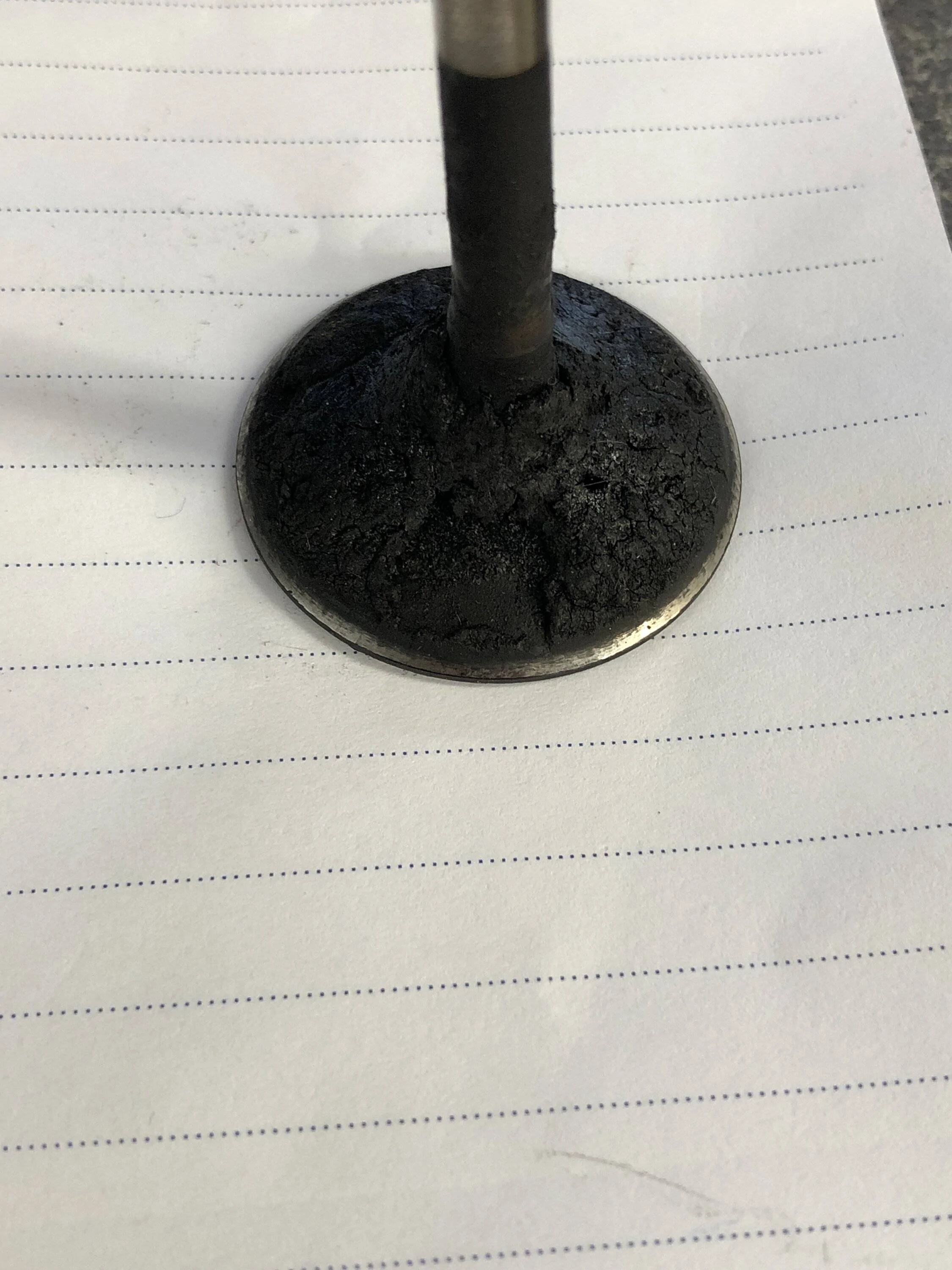
Oh my, I fought a faulty EGR on my 1994 mustang GT early on in this 'green' battle that it appears we're still losing 30 years later LOL Replaced it, it failed, replace it, it failed the entire time I owned the car. Won't even mention my '74 firebirds issues.. why are still fighting the same battle?Unless y’all are going to delete the EGR as well, you’re not significantly reducing carbon buildup in any way with a catch can.
 I know most cans do not actually hold a lot.


