

Grayhound
Well-Known Member
That is a significant difference!I wish he would have put one end at a realistic winch height, and then both ends at realistic heights. Just to satisfy my curiosit.
Sponsored
That is a significant difference!I wish he would have put one end at a realistic winch height, and then both ends at realistic heights. Just to satisfy my curiosit.

The class we took was not specifically winch related but was a two day beginner offroad course in Johnson Valley that included a short recovery section. He does have winch specific classes. Tom Severin Badlands4x4. Hes not a youngster and it seems like the frequency of his training schedule is slowing down. I don’t have a lot of experience to compare his classes to. He does seem very old school.What course did you guys take? I was looking for s winch/safety course but never found one and then forgot about it.


I wasn't saying the attachment points couldn't fail, just that fortunately I've never had that issue. In my experience the line usually snaps which likely isn't fatal but would be painful enough you shouldn't stand there. In a hard enough pull not only could the attachment fail, we are talking enough force to pull a bumper clean off. Now even if the line follows the direction of pull it's pulling something wide enough to hit anyone within 3-4' of the line. No reason to stand that close and plenty of reasons not to.We can't really tell what it's tied to in @Terrymo's picture, but I'd assume it's metal with mass. It could be "bad" if that broke loose, right?
Terry, Several years back I took a few classes from Tom & did his 3 day Death Valley trip. He is very knowledgeable. I have recommended his classes to friends who wanted to get into off roading. He is very strict on safety around winch lines & recovery straps/ropes. Those 2 in the picture are definitely in harms way. At EJS this year this safety factor was heavily emphasized before every trail ride.The class we took was not specifically winch related but was a two day beginner offroad course in Johnson Valley that included a short recovery section. He does have winch specific classes. Tom Severin Badlands4x4. Hes not a youngster and it seems like the frequency of his training schedule is slowing down. I don’t have a lot of experience to compare his classes to. He does seem very old school.
https://www.4x4training.com/w/product-category/recreational-clinics/next-steps-clinics/winching/

<snip>At EJS this year this safety factor was heavily emphasized before every trail ride.
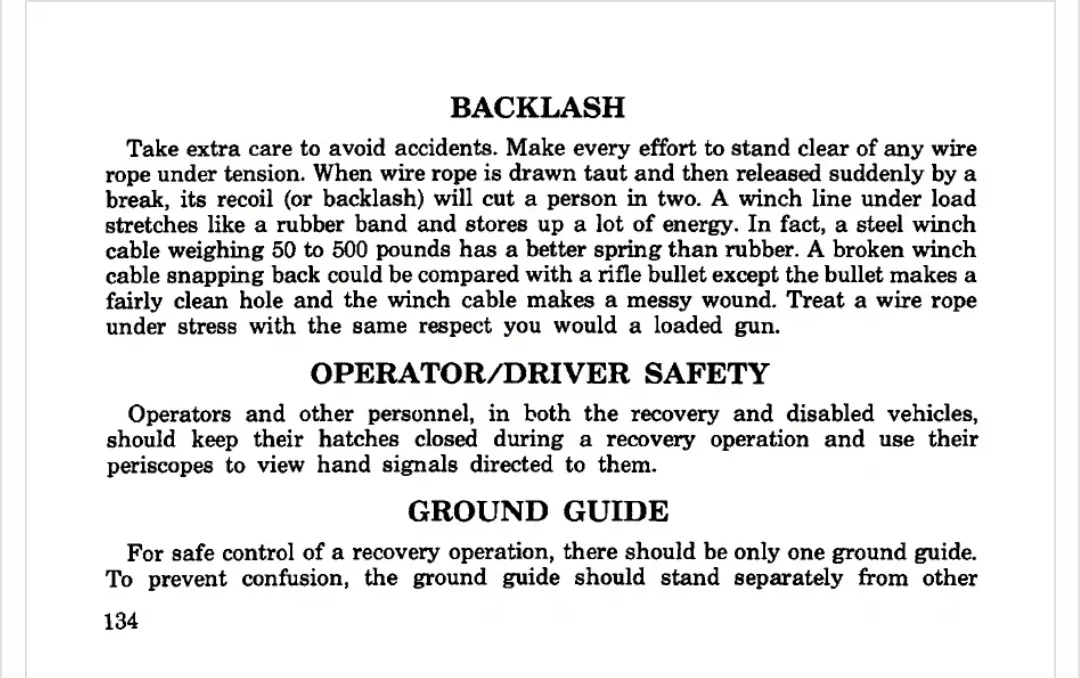
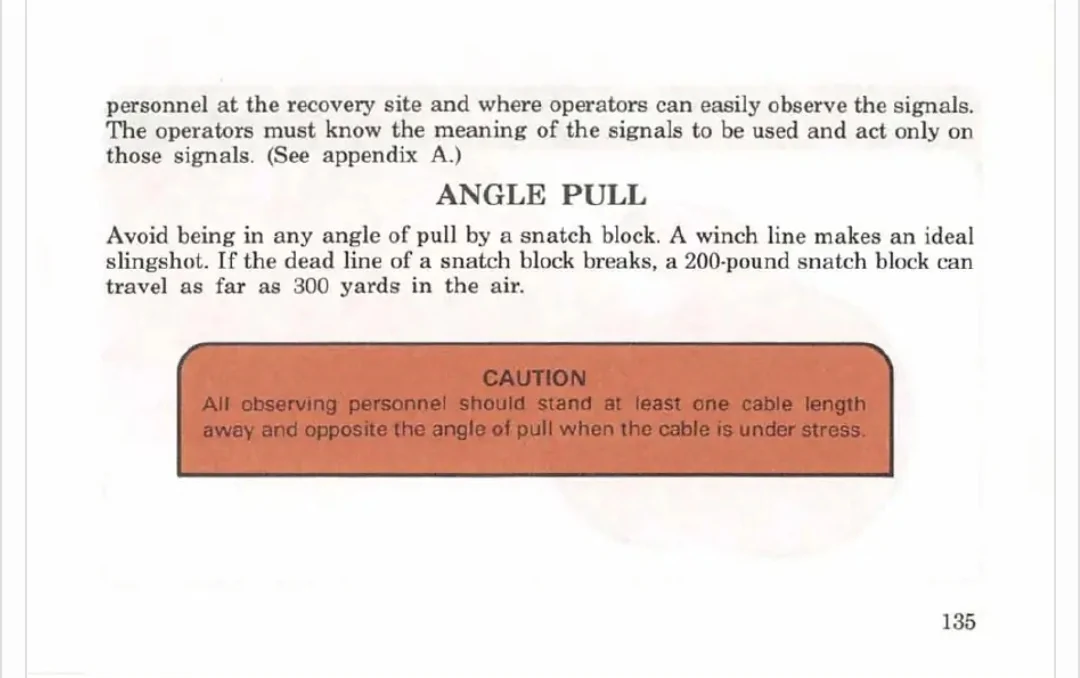
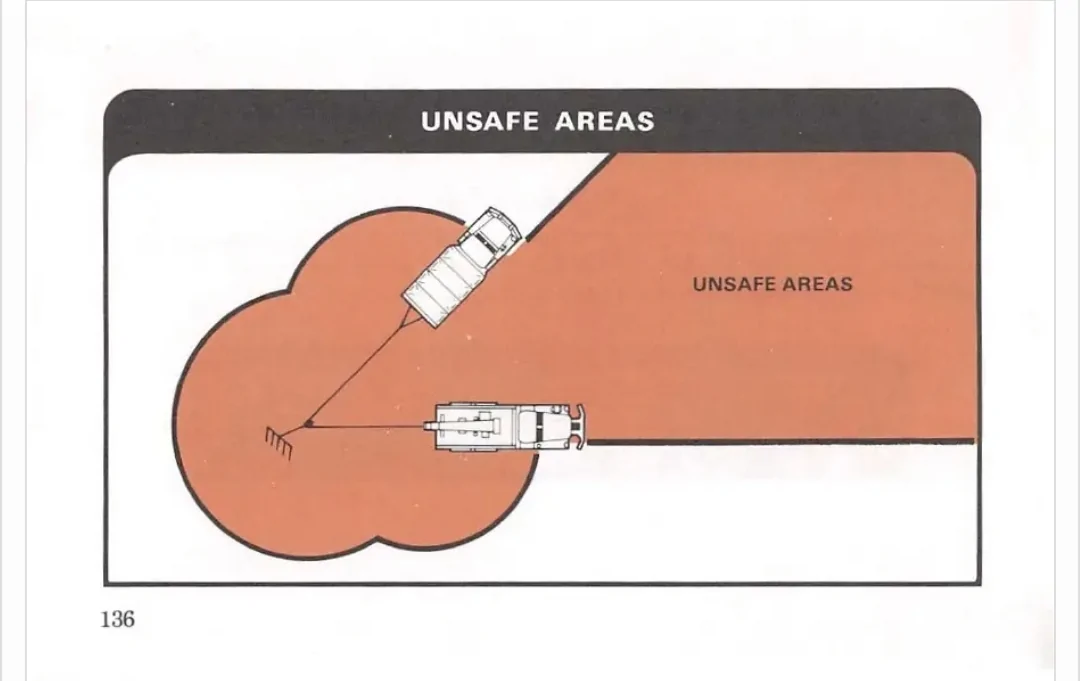
My tism is twitching. I have been doing recovery of heavy trucks/equipment or training of this subject. Off and on for the past 30 years or so. I always go by the Army steel cable safety rules, even for synthetic rope. If it's good enough for steel cable, then it's double safe for synthetic. The Army Field Manual FM 20-22 states in the recovery section, a minimum of one cable length away from either end. This includes the single ground guide who is giving clear hand and arm signals that are understood by both people. Anyone not directly involved in the recovery should be at least 2 cable lengths away from the scene.


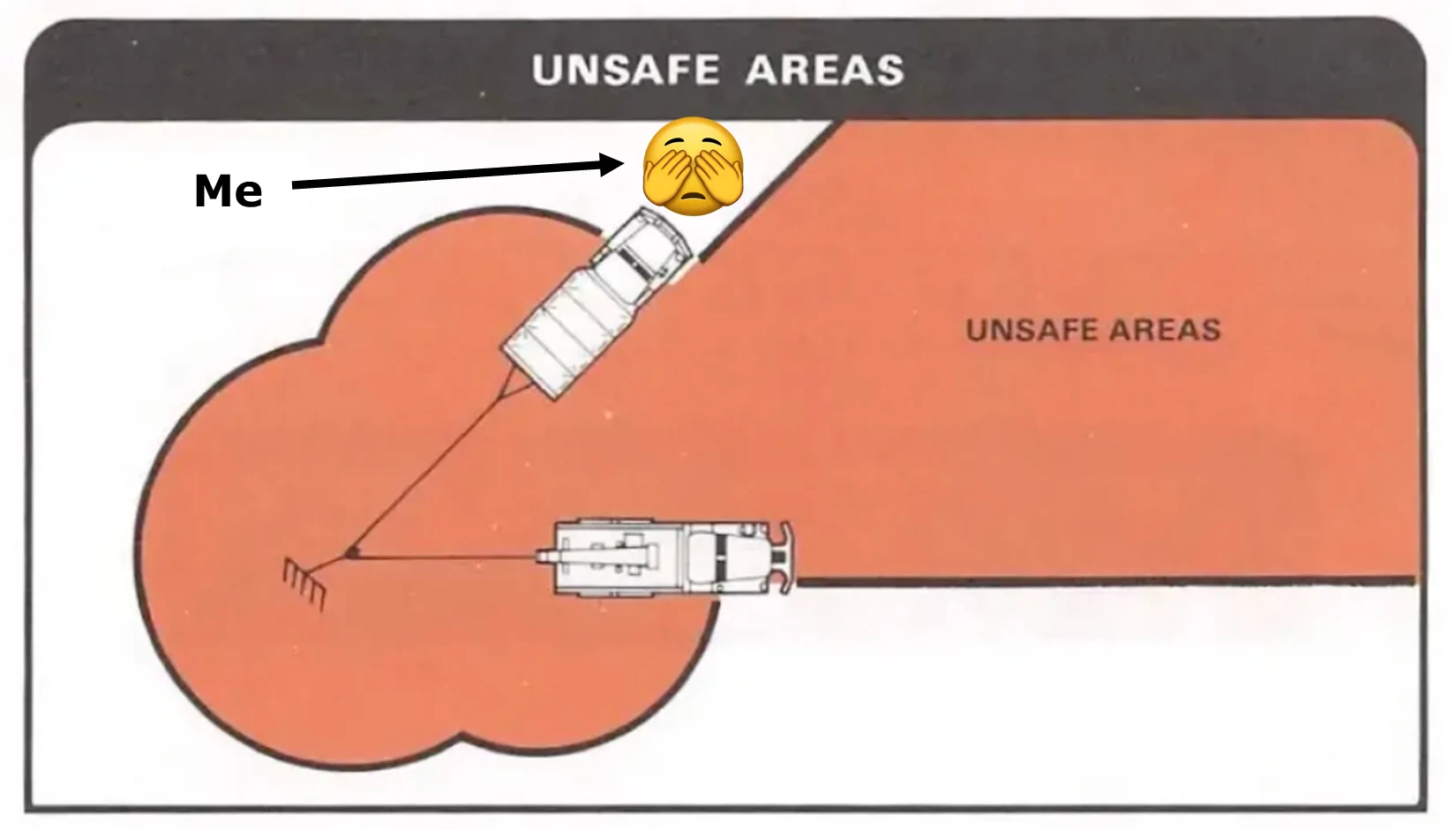
It's funny but you picked the one not red area that I also wouldn't let someone stand in. You are directly in front of the vehicle being recovered, and depending on terrain, if something were to let go, that vehicle might roll back in that direction.
its called roll forward in that case. I will take my chances.roll back in that direction.
its called roll forward in that case. I will take my chances.
It's situational and the 2d drawing doesn't give any context. Is it being pulled back up a steep grade? Then I wouldn't stand in front of it. Is it hung up on a rock and being pulled down hill? Then in front of it is likely the best place to be. I try not to pull dead vehicles in neutral with nobody steering or braking, but maybe that's just me?its called roll forward in that case. I will take my chances.
That’s why I tried to limit the scope of my question to just where people were standing. There were obviously lots of other factors that can’t be conveyed with a screen shot, let alone a video from one vantage point. I realize sometimes you have to make the best choice which is not always a textbook choice. I didn’t want it to devolve into bashing the people involved, they’ve gotten their share of it on Fbook.It's situational and the 2d drawing doesn't give any context. Is it being pulled back up a steep grade? Then I wouldn't stand in front of it. Is it hung up on a rock and being pulled down hill? Then in front of it is likely the best place to be. I try not to pull dead vehicles in neutral with nobody steering or braking, but maybe that's just me?

THIS IS THE BEST POST ON THIS THREAD!My tism is twitching. I have been doing recovery of heavy trucks/equipment or training of this subject. Off and on for the past 30 years or so. I always go by the Army steel cable safety rules, even for synthetic rope. If it's good enough for steel cable, then it's double safe for synthetic. The Army Field Manual FM 20-22 states in the recovery section, a minimum of one cable length away from either end. This includes the single ground guide who is giving clear hand and arm signals that are understood by both people. Anyone not directly involved in the recovery should be at least 2 cable lengths away from the scene.
After doing/teaching it for the Army for almost 30 years, a few things stuck with me.THIS IS THE BEST POST ON THIS THREAD!
I can’t like this enough!


