Sponsored

Width for 37s

azwjowner

Well-Known Member
Joined
Oct 8, 2020
Threads
11
Messages
2,273
Reaction score
3,965
Location
Phoenix
Vehicle(s)
2022 JL; 2004 WJ (sold but never forgotten)
As posted by phageghost, " any two tires will have the same size contact patch, because the pressure of the ground against the outside of the tire has to equal the pressure from the air against the inside of the tire". So, both the wider tire and narrower will have the same size contact patch.

You're right, it seems I mashed them together. That wasn't my intent, I just didn't create a new paragraph, which I should have. I meant those two sentences as independent.

I believe the narrower tire will have the same amount of tread on the ground, the same size contact patch, but it will be shaped differently. It will be longer, and I think that helps 95% of the time more than a wider patch. I think as you're driving forward or backward, the longer patch provides more traction than a wider tire does. No one has to agree with me though.

Separately, I think a narrower tire can be better in snow, as they cut through the snow; however, just as you pointed out, that's not always better in snow conditions.
No one has to agree with you, just observe that tracks on tracked vehicles are long and narrow, not wide and short.
Sponsored


J0E

Well-Known Member
First Name
J0e
Joined
Sep 1, 2018
Threads
55
Messages
1,359
Reaction score
1,162
Location
Hawaii, MT, SLC, NYC
Website
bt39.com
Vehicle(s)
2021 JLR, 05 LJR on 43s
Build Thread
Link
Occupation
Drywall construction - reel estate
Apple was pointing out an advantage for each, in its own paragraph. You seemed to have mashed them together. Yes, more surface contact from an aired down wider tire will have more grip than an equally aired down thinner tire.

And yes, a thinner tire will allow it to more easily cut through a layer of snow, to reach the ground below it. That's assuming the snow isn't deep enough to start burying the axle. At that point, a wider tire that can float on top is preferable.
Wider is always worse in snow, and lower pressure is always worse in snow. At least that's what the old timers told us and hundreds of tests validated. I've probably pulled out 200 mall crawlers with big tires. Deep snow seems to be the only time mall crawlers adventure out where 4x4 is required.

A tire can never float on snow, you're always going to spin and dig down. A skinny tire fully aired up or more can get down to traction and not form a ski on the snow.

Wet snow compounds the problem. Super dry snow, anything works until it gets really deep.
 

Apples491

Well-Known Member
First Name
Nick
Joined
Jan 16, 2022
Threads
6
Messages
505
Reaction score
1,020
Location
Denver, CO
Vehicle(s)
2022 JLUR in Hydro Blue, 2024 Nissan Ariya
No one has to agree with you, just observe that tracks on tracked vehicles are long and narrow, not wide and short.
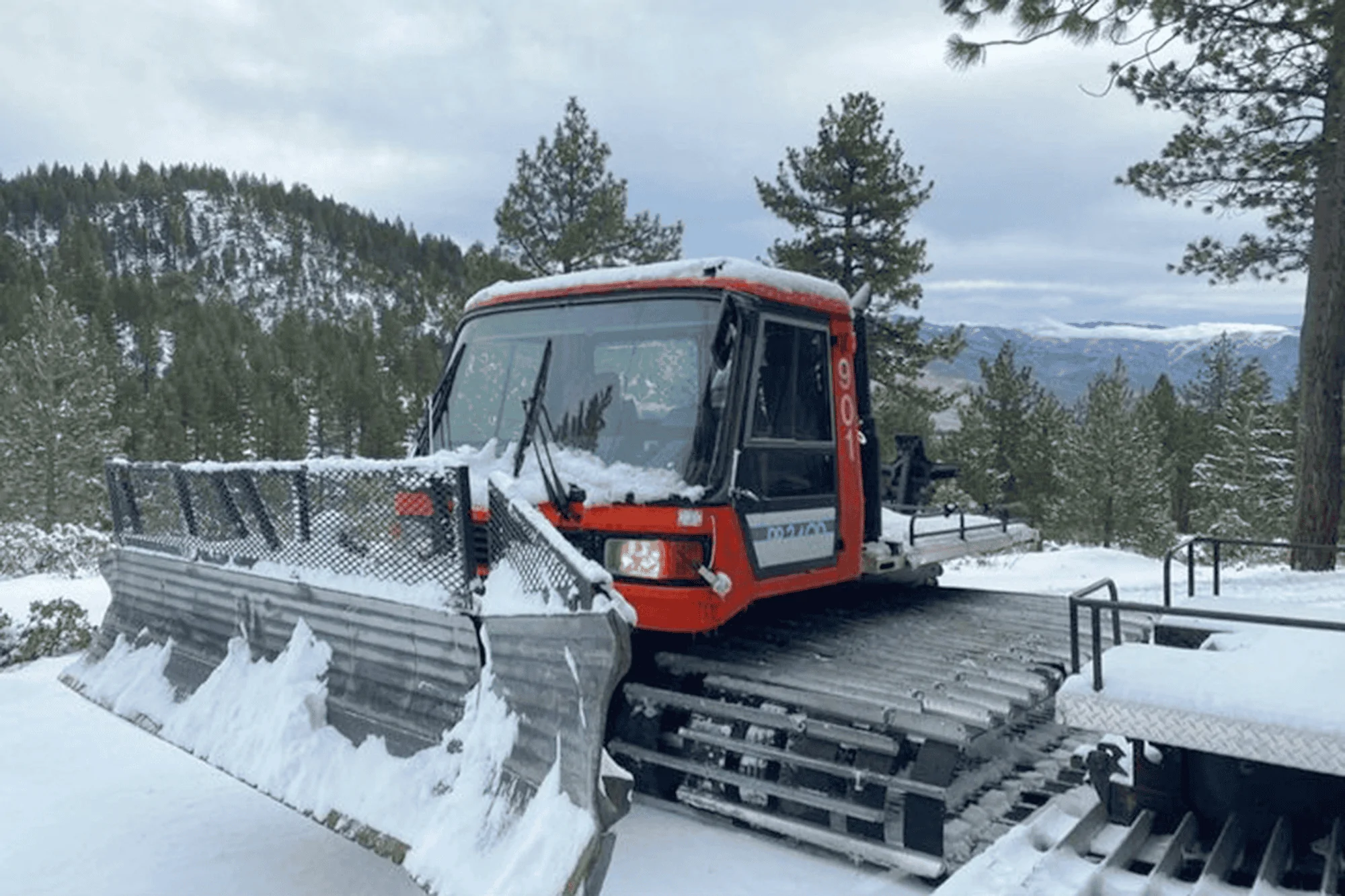
Jeremy Renners snow plow would like to have a word on that point.
Jeep Wrangler JL Width for 37s 1673580278320


Seriously though. Most tracked vehicles are squat and wide, keeping the COG very low so they don't slide sideways. Nevermind that the entire track is the patch compared to the tiny one on each tire.

Put a skinny tire up on a rock in an off camber situation with gravity trying to pull it down the hill. Enough tilt and you will slide off the rock. Do the same thing with a wider tire and it's ability to laterally wrap around the top of the rock would be better able to keep you where you are where the skinny tire gives out.

Change the scenario to moving forward over the rock and the skinnier tire would have an advantage in grip in that forward direction.

IMO, because you've also got the engine driving the vehicle forward, I'd rather have the wider tire to give me the lateral control over said rock. But as I said before, that preference is subjective.
 
  • Like
Reactions: J0E

azwjowner

Well-Known Member
Joined
Oct 8, 2020
Threads
11
Messages
2,273
Reaction score
3,965
Location
Phoenix
Vehicle(s)
2022 JL; 2004 WJ (sold but never forgotten)
Jeremy Renners snow plow would like to have a word on that point.
1673580278320.webp


Seriously though. Most tracked vehicles are squat and wide, keeping the COG very low so they don't slide sideways. Nevermind that the entire track is the patch compared to the tiny one on each tire.

Put a skinny tire up on a rock in an off camber situation with gravity trying to pull it down the hill. Enough tilt and you will slide off the rock. Do the same thing with a wider tire and it's ability to laterally wrap around the top of the rock would be better able to keep you where you are where the skinny tire gives out.

Change the scenario to moving forward over the rock and the skinnier tire would have an advantage in grip in that forward direction.

IMO, because you've also got the engine driving the vehicle forward, I'd rather have the wider tire to give me the lateral control over said rock. But as I said before, that preference is subjective.
That makes perfect sense to me. You're talking about a specific application where the wrapping around the rock provides extra grip, whereas I was talking about overall grip on a relatively flat surface. It depends what OP wants to do, I suppose.
 

2nd 392

Well-Known Member
First Name
Mike
Joined
Jun 20, 2021
Threads
15
Messages
9,941
Reaction score
16,638
Location
Ca
Vehicle(s)
Grand Cherokee srt.V10 Dodge 4x
Jeep Wrangler JL Width for 37s E4817E07-E737-41E4-8751-6B6ECE9BF874
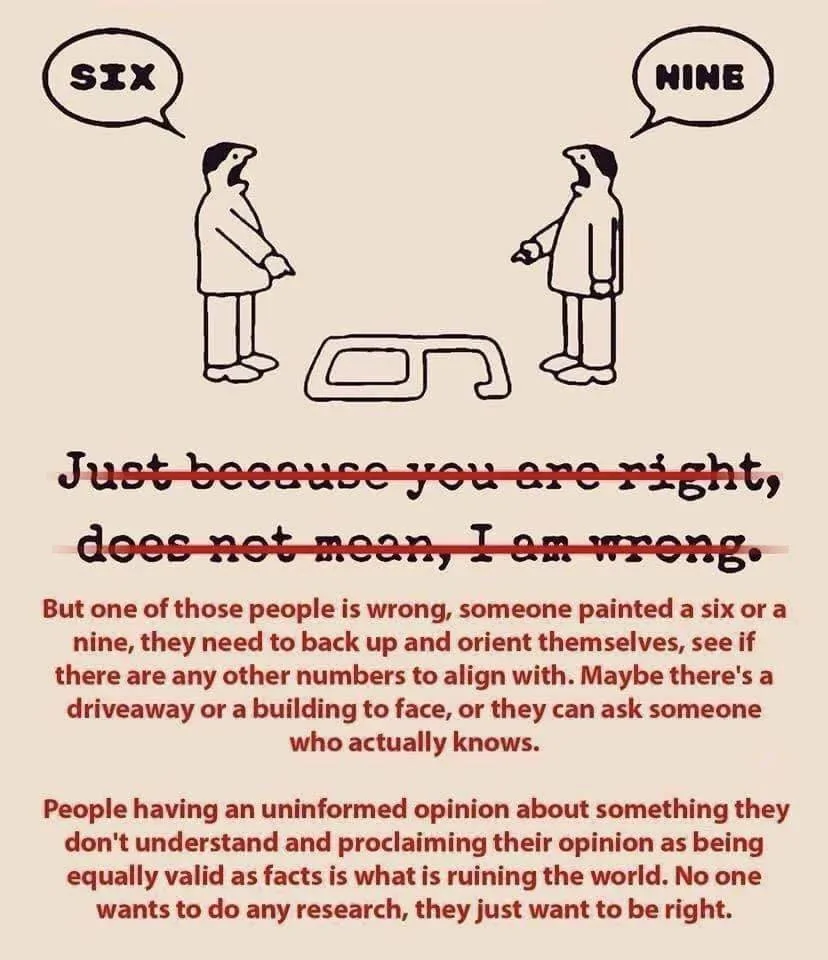
The fine print doesn’t all apply, but correct on balance. ?
Sponsored


Top