DewHawk
Well-Known Member
- First Name
- Rob
- Joined
- Aug 18, 2021
- Threads
- 16
- Messages
- 646
- Reaction score
- 1,328
- Location
- Aurora, CO
- Website
- www.instagram.com
- Vehicle(s)
- '19 Stinger GT2, '04 M3
- Occupation
- USAF F-16 Crew Chief
Nope, fair question, not upset by it. Here’s the thing that became glaringly obvious though the more I dug into this issue.I love everything that you said, very interesting stuff. The only thing I take issue with is what I've quoted above.
Outside of oil lubricating the pistons and cooling the engine in general, what does a product of combustion have to do with lubrication?
Serious question. Can a better oil actually improve the fuel system soot, regens are designed to reduce? And then on top of that, how would they increase a cleaner burn, which is how the soot is produced?
Not to prove you wrong, nor to detract from my previous questions, but could it be that you're driving style has changed when you started using this better oil?
Almost every oil I’ve looked at has some level of SAPS included in the mix (Sulphated Ash, Phosphorus, and Sulfur). Something I came to realize is that most oils with low to mid SAPS content are typically endorsed to be used in vehicles with particulate filters whereas a full SAPS oil is normally only approved in vehicles that don’t have sensitive exhaust emissions components. A great example of this is BMW LL01 vs BMW LL04 designations. LL04 is approved for use on their diesel and hybrid vehicles that have much more complicated emissions control equipment whereas LL01 isn’t.
SAPS content is a careful balance though. We can’t run a low SAPS oil in these engines without running a risk to the longevity of internal component life span. On the flip side, a full SAPS blend has so many byproducts to reduce engine wear and tear that it inherently produces more soot that will clog emissions components faster than the systems can realistically handle without accelerated wear and tear.
Someone somewhere is of the opinion that MS-12991 is a specific designation that outlines a SAPS content tolerance that these engines are best suited for without burning up the emissions equipment early. In reality, there’s been zero evidence produced anywhere that I can find that actually tells us what the standards are for this specific rating. Just short of asking an engineer at VM Motori, good luck finding it. Hence why so many ram EcoDiesel owners have been experimenting with different oils to try and find a proper balance that’s better than what the owners manual recommends. The leading theory so far is that Jeep was dead set on finding an oil that wouldn’t lead to catastrophic bearing failure like gen 2 dealt with and still remain within the scope of reasonable ash accumulation for the emissions equipment to handle on its own.
So what the hell does any of this mean? It’s the SA part of SAPS that’s the real killer here. The sulphated ash content of the oil circulating in the emissions equipment builds up in the DPF over time and binds to soot like a fat kid on a cake. The more sulphated ash in your oil, the more likely it is to stick to the soot being produced from the combustion process getting blown into the DPF, EGR, etc.
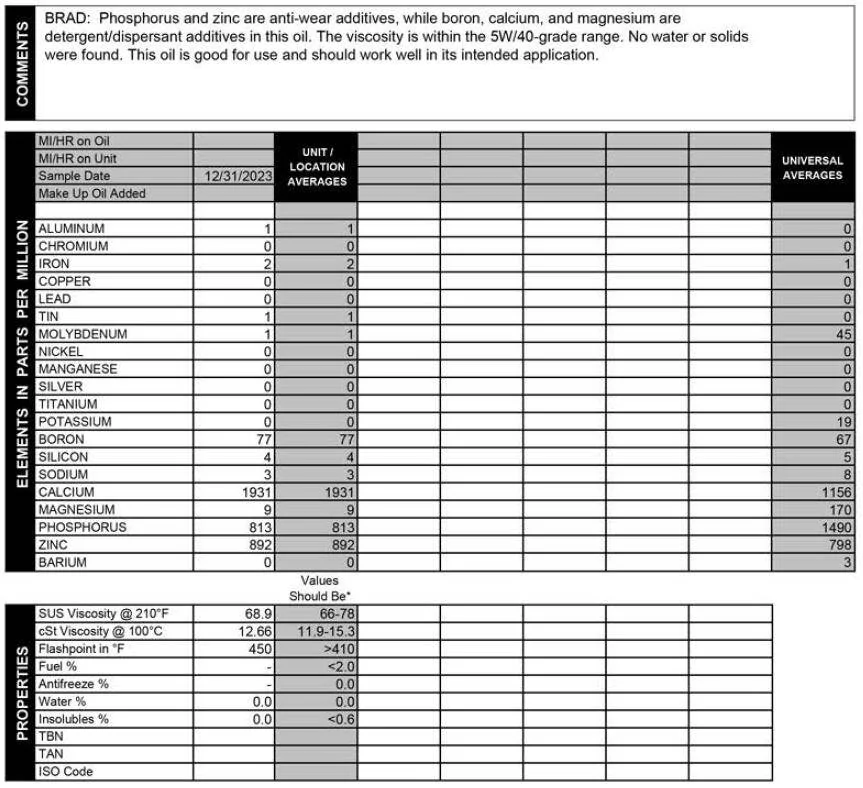
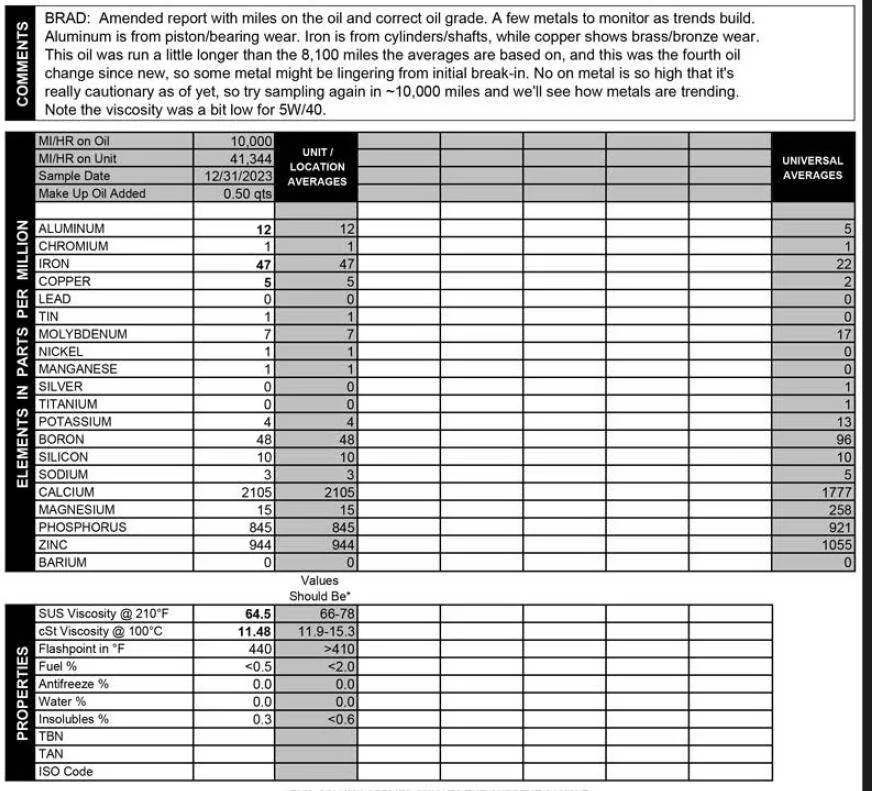
I thought it was all BS internet nonsense until I started rotating oils to see if it was true. Castrol Euro for instance has GREAT UOA results with the ram side of the gen 3 crowd, but in my experience it was an absolute nightmare to try and burn off in passive regen and active regen. I literally had to force regen twice while I was in Moab because of it. Never again. Switched to the hype train red label amsoil and viola, instant satisfaction after the first 100 miles of use. Not only did passive regen start looking like it was actually doing something useful for a change (burning as much as 30% soot in less than 20 miles) but my active regens went from basically every 7 days to every 21+ days.
I’m by no means some expert at any of this, but I can’t deny the results I’ve had in the last 2500 miles. It’s a night and day difference that’s got me convinced to stay the hell away from anything that’s not a mid saps oil. As long as my internals are happy at the end of this little experiment, I’ll gladly keep running oil that’s not on the approved list.
Sponsored