AndySpill
Well-Known Member
- First Name
- Andy
- Joined
- Oct 24, 2023
- Threads
- 71
- Messages
- 1,654
- Reaction score
- 1,270
- Location
- Pittsburgh
- Vehicle(s)
- 2018 JL Sahara
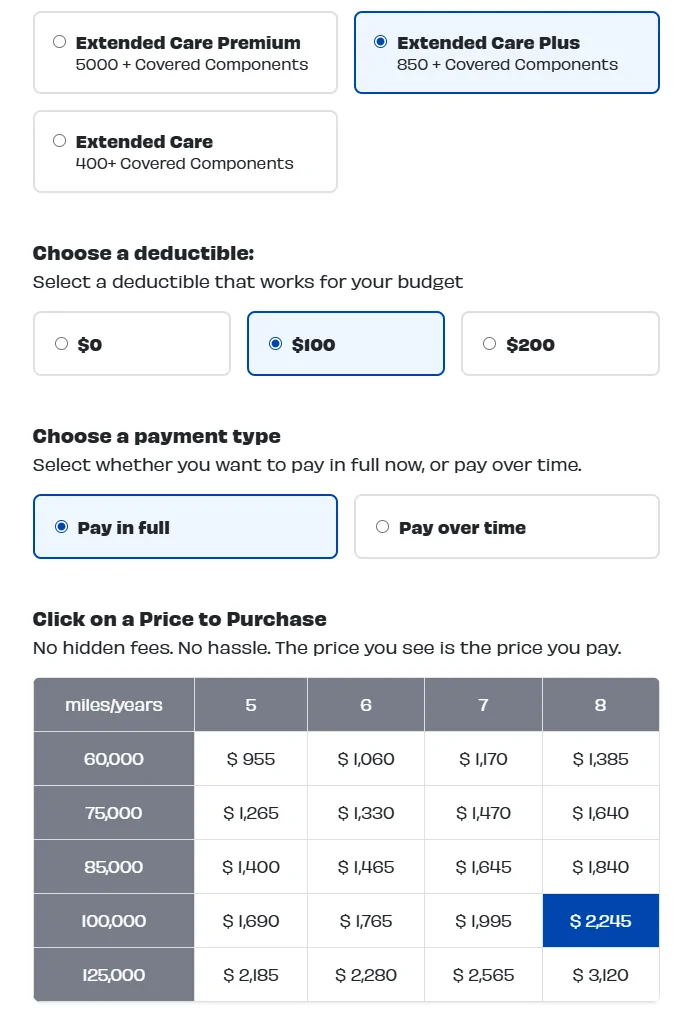
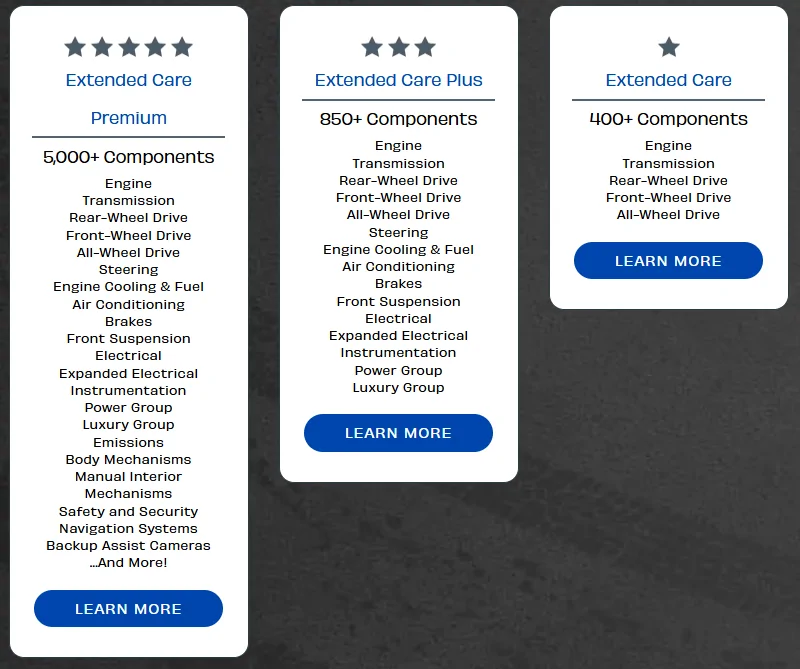
* I think you fully appreciate this Anthony @brandofamily but will point it out in case you or those out there don't get this: warranty coverage cost has to be compared to that covered (and how much/deductibles) in order to not simply fit your budget, but most wisely spend your money. What I say below is for the masses, not simply you sir.
* Virtually all extended warranty programs on average pay out, adjusted for interest and inflation, remarkably less for repairs than they take in in premiums. The only ones that don't fire their actuaries. Yes, some programs are better than others, but the winning play here, and this is math not subject to opinion, is to invest the money you'd spend on a policy and use those monies as your rainy day fund for repairs. Not only will you statistically come out ahead, but when you most likely do, that money's yours to keep. Sure, every so often someone comes along who really gets their money's worth from a warranty. They, unlike the masses who loose money on the warranty, seem to be attracted to internet forums to profess their case.
* In my next life I am seeking legislation be written that forces extended warranty providers to not simply be licensed, but disclose how much they pay in sales commissions (which reduces the pool out of which to pay claims), and how much the pay out in claims and for what, including their "decline rate "and customer ratings. Competition among them does not seem enough to bring our costs down to fair amounts as they pray on people's fear of huge repair expense, and such fear often leads to poor decision making.
* I'm a huge supporter of insurance that shields from life's catastrophic expense, it too being statistically not worth it. Property, liability, medical: all worth it. And commercial insurance: what major capital project's risk would be incurred without it? But hard pill I know, if you don't have the money set aside for the average cost of vehicle service and buy an extended warranty as a hedge, you may be driving too expensive a vehicle, and such a warranty is more likely to have more financially vulnerable people go separate ways with their hard earned savings.
* Virtually all extended warranty programs on average pay out, adjusted for interest and inflation, remarkably less for repairs than they take in in premiums. The only ones that don't fire their actuaries. Yes, some programs are better than others, but the winning play here, and this is math not subject to opinion, is to invest the money you'd spend on a policy and use those monies as your rainy day fund for repairs. Not only will you statistically come out ahead, but when you most likely do, that money's yours to keep. Sure, every so often someone comes along who really gets their money's worth from a warranty. They, unlike the masses who loose money on the warranty, seem to be attracted to internet forums to profess their case.
* In my next life I am seeking legislation be written that forces extended warranty providers to not simply be licensed, but disclose how much they pay in sales commissions (which reduces the pool out of which to pay claims), and how much the pay out in claims and for what, including their "decline rate "and customer ratings. Competition among them does not seem enough to bring our costs down to fair amounts as they pray on people's fear of huge repair expense, and such fear often leads to poor decision making.
* I'm a huge supporter of insurance that shields from life's catastrophic expense, it too being statistically not worth it. Property, liability, medical: all worth it. And commercial insurance: what major capital project's risk would be incurred without it? But hard pill I know, if you don't have the money set aside for the average cost of vehicle service and buy an extended warranty as a hedge, you may be driving too expensive a vehicle, and such a warranty is more likely to have more financially vulnerable people go separate ways with their hard earned savings.
Sponsored