
BuffaloBill
Well-Known Member
Please, a catch can does not prevent blow by.a catch can which you should know with your
Extensive mechanical background prevents blow by
Sponsored
Please, a catch can does not prevent blow by.a catch can which you should know with your
Extensive mechanical background prevents blow by



I say this to Mrs. Heimkehr. It even works from time to time.The best part is that the functional benefit far outweighs its handsome looks.
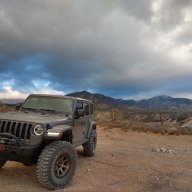
how is the sound of the 2.0t compared to the 3.6?I test drove both the 2.0t and 3.6 by climbing from 5000' altitude to 8000'. The 2.0t was still raring to go at the top. The 3.6 was tired and weak from the start and just got more tired on the way up. If you need to have power at altitude, it's no contest.
The only downside of the 2.0t is the sound of the engine. But the question is do you want to sound like you have power or do you want to actually have power?

I think what @Sargeoverland means is that there is more opportunity for oil to be consumed in a turbocharged engine because A) forced induction engines are generally higher compression, if a piston ring fails, oil can get forced into the cylinder and burned, B) you have to provide oil to lubricate the turbocharger where there are lots of gaskets, which are meant to keep oil where its supposed to be. Having more gaskets keeping oil in places it is supposed to be, such as the turbo, exposes the engine to more opportunities for those gaskets to fail and in the case of the turbo it can force oil where it shouldn't be (into the intake system), C) and this ties in the point about catch cans, when those turbo gaskets get worn to the point that oil can get by them, you end up with oil in the intake system, which will get burned when that air/oil mixture goes into the cylinders, if not caught by said catch can.You just made it abundantly clear that you have a whole lot more reading to do. Stop giving advice that your lacking the knowledge to give.
Catch cans prevent blow-by? Explain in detail how.
Turbos are the cause of excessive oil consumption? Explain in detail.

No offense, but nowhere in this thread is mention of tired engine components or their respective seals starting to fail. It's bad enough when someone chimes in about what they don't know. Don't back peddle for them.I think what @Sargeoverland means is that there is more opportunity for oil to be consumed in a turbocharged engine because A) forced induction engines are generally higher compression, if a piston ring fails, oil can get forced into the cylinder and burned, B) you have to provide oil to lubricate the turbocharger where there are lots of gaskets, which are meant to keep oil where its supposed to be. Having more gaskets keeping oil in places it is supposed to be, such as the turbo, exposes the engine to more opportunities for those gaskets to fail and in the case of the turbo it can force oil where it shouldn't be (into the intake system), C) and this ties in the point about catch cans, when those turbo gaskets get worn to the point that oil can get by them, you end up with oil in the intake system, which will get burned when that air/oil mixture goes into the cylinders, if not caught by said catch can.
More complexities also allow for more opportunities of failure. Gaskets and seals only last so long, that goes for turbochargers too; with enough use they all end up needing a rebuild.
Disclaimer: This is just my experience with turbocharged engines, and I am by no means a mechanical engineer.
Sounds kind of like an RC car but I like ithow is the sound of the 2.0t compared to the 3.6?


You ever put a cat in a blender?how is the sound of the 2.0t compared to the 3.6?
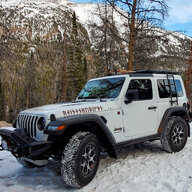
It sounds like a small turbo engine. Less deep bass tones, more higher pitched whirring like a high speed fan or drill. The 3.6 sounds more like a baby NASCAR engine while the 2.0t sounds more like a baby F1 engine.how is the sound of the 2.0t compared to the 3.6?
Sound is loud and unpleasant when cold…after 5 minutes of warming up it quiets down. On the road it sounds great though I do hear the turbo a lot with the windows down. It is a peppy little beast. I’m able to get a 7.5 second 0-60 with a 2” lift and 35s (and a bit of power braking)….not bad considering all of the factors…though certainly not a 392…how is the sound of the 2.0t compared to the 3.6?
"Sound" is truly subjective. To me, the 3.6 sounds MUCH more sporty. It has that better sports note to it. The 2.0T is a much quieter exhaust. I can hear the turbo from outside, but barely from the inside cabin. I may be getting old, but I like the quiet of the 2.0. There are exhaust kits available for the 2.0 and some like them. To me they make it sound like a kid with a honda trying to sound fast. If you're looking for an exhaust sound the 3.6 sounds way better. That being said I appreciate the quiet of my 2.0.how is the sound of the 2.0t compared to the 3.6?


