JeepFan
Well-Known Member
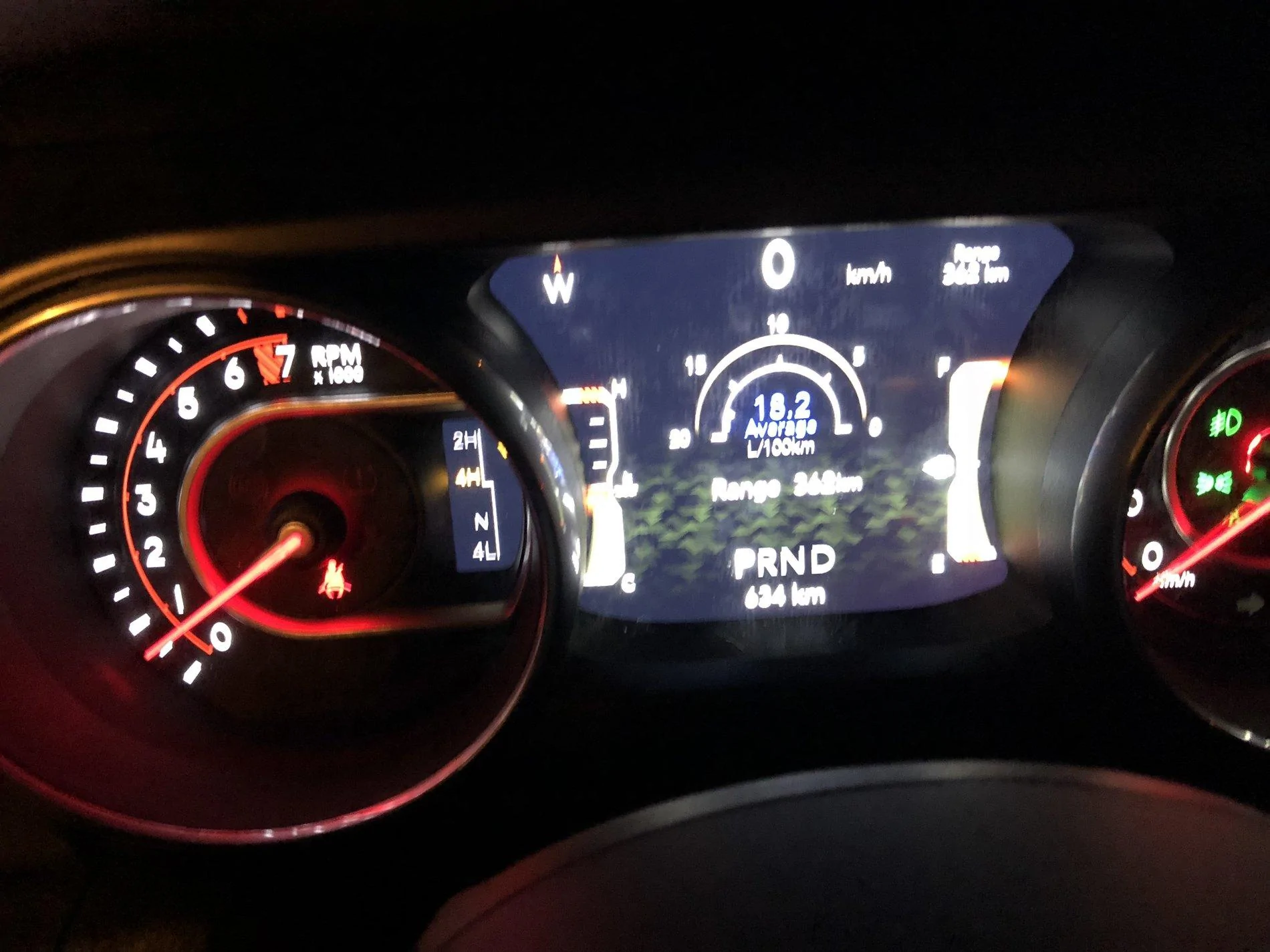
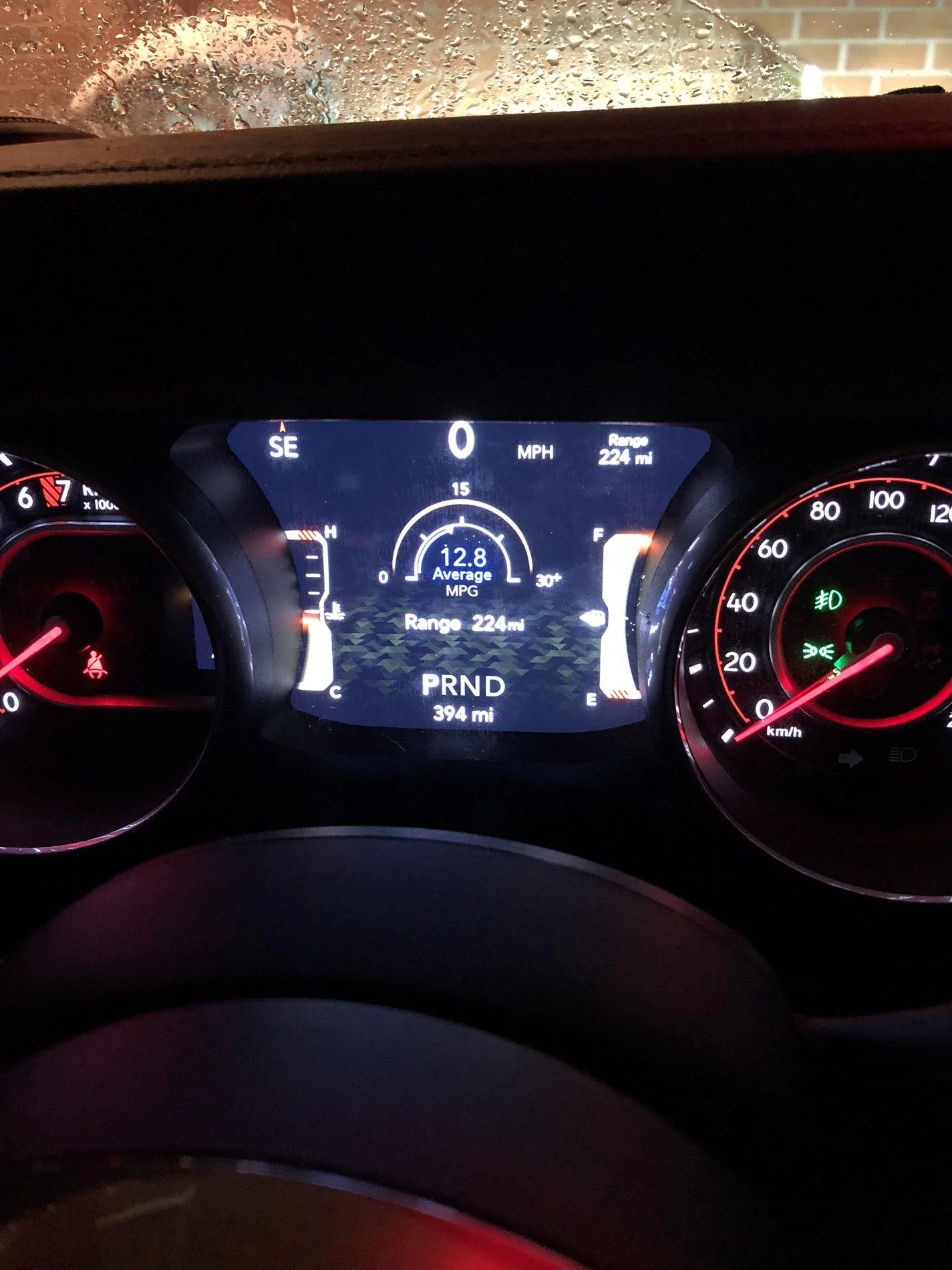
All these results seem pretty strange considering that TFL got more than the EPA rating:
Over the years I've had various cars that often got better than the EPA ratings, under certain conditions.
Differences of few mpg can be caused by so many variables: ground speed, engine speed, driving styles, tire pressure, tire wear, tire size, weight of passengers and cargo, wind speed and direction, constancy of wind speed, road surface texture, rain or snow on roadway, altitude, level roadway vs frequent changes in elevation, frequency of changes in speed, how quickly or smoothly the driver presses on the gas pedal, overall gear ratios, gaps between gear ratios, tire size and weight, type of tires, use of cruise control or not, quality of gas, traction, relative humidity, atmospheric pressure, outside temperature, octane rating, amount of alcohol and other additives in the gas, traffic conditions, software settings that determine shift points of automatics or how and when the driver shifts with manuals, engine wear, engine tune, how much the engine is broken in, not filling the tank exactly the same each time, proportion of street vs highway miles, and probably several other factors. To complicate matters even more, the combinations of, and interactions of, these many variables may be more important than the individual factors by themselves.
Conclusion: I wouldn't draw any firm conclusions based on 1 to 4 or so mpg differences between models and drivers. I'm not saying that mileage doesn't matter, obviously it does to most folks.
Sponsored