
IdowaJeeper
Well-Known Member
- First Name
- Travis
- Joined
- Oct 9, 2024
- Threads
- 38
- Messages
- 265
- Reaction score
- 770
- Location
- Eastside of Washington state.
- Vehicle(s)
- 2024 Wrangler UL Sport S 4XE, 2024 Ram 2500 Crew Cab Cummins on 35s, Kodiak ATV.
- Thread starter
- #1
Being an old hot rodder that knows a thing or two about performance and engines, I run the best fuel I can find. All of my vehicles get ethanol-free premium 91 octane, except for the Tundra. It gets the cheap stuff. All of my other vehicles are motorcycles, ATVs, and lawn equipment. Ethanol is toxic to small engines.
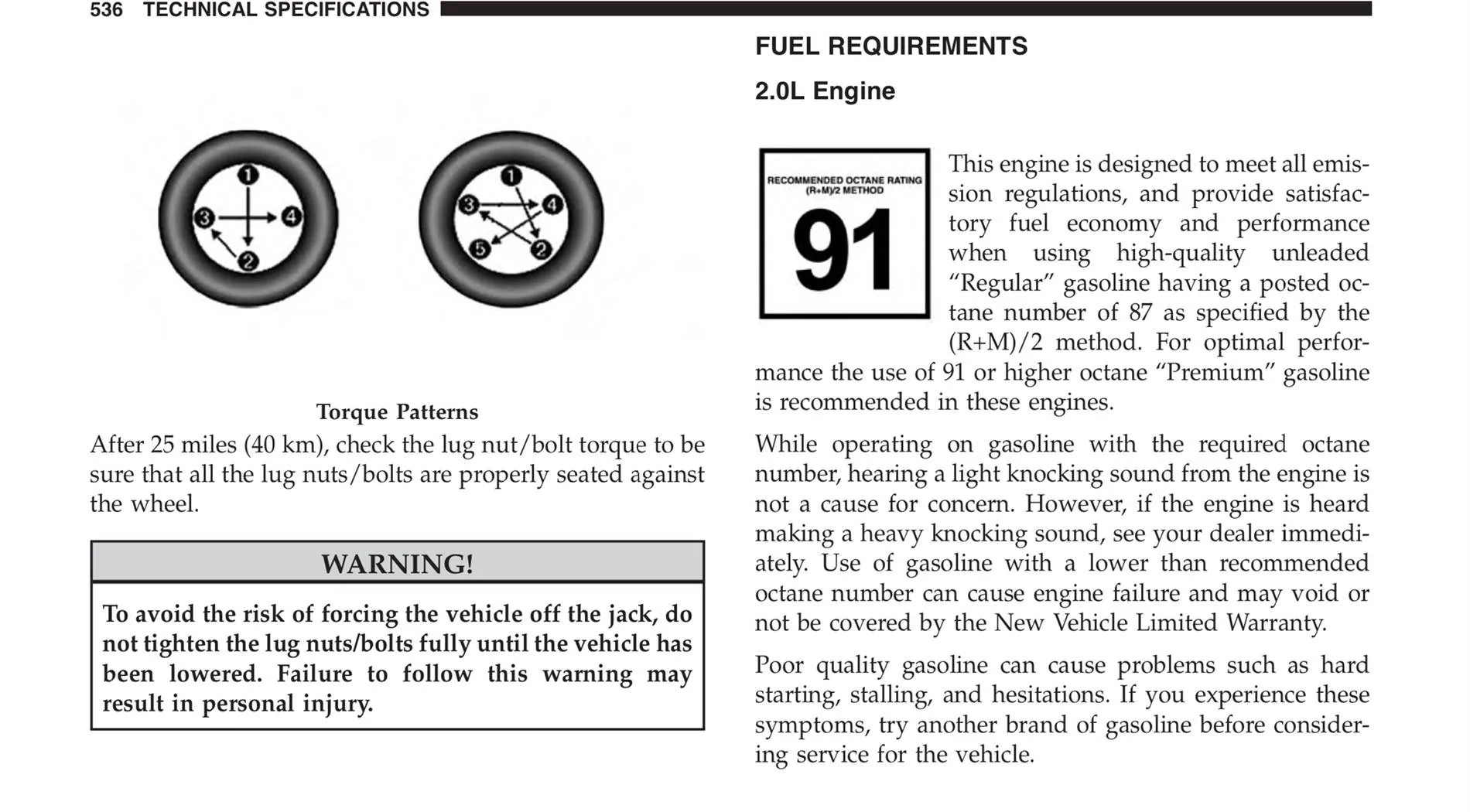
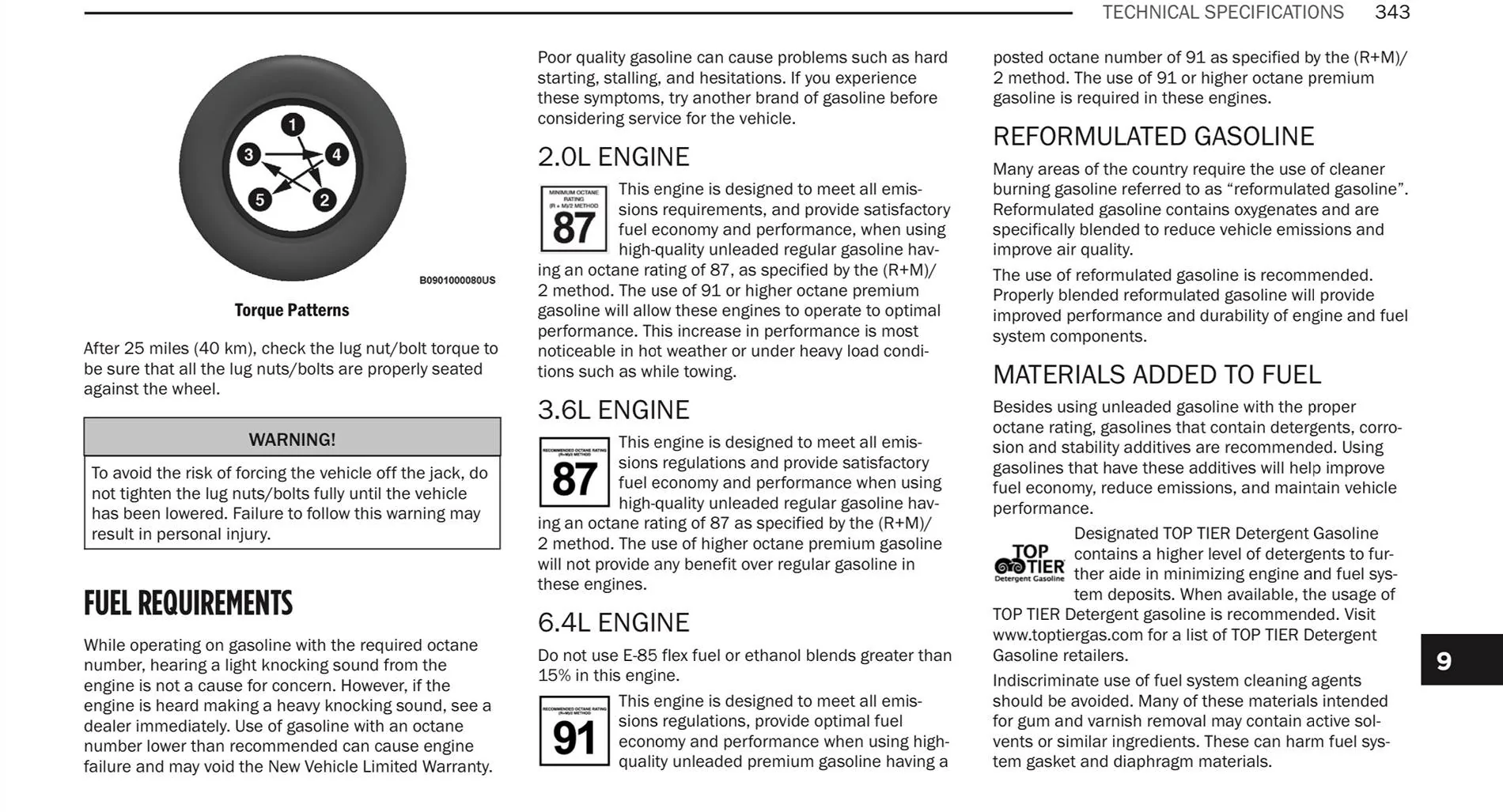
Since the Jeep is a turbocharged motor with a high 10:1 compression ratio, I have never ran less than 91 octane in it. Yes, I know Jeep says you can run 87 octane, at a minimum, but says for optimal performance and power, you should run premium.
Modern engines have their timing controlled by knock sensors and computers. Timing is simply referring to where in the compression stroke of the piston is the fuel ignited. More timing generally means more power and less timing means less power. Also referred to as advanced and retarded timing.
Higher octane fuel is less volatile than lower octane fuel, so you can advance your timing a bit a get more power. Lower octane fuel is more volatile and can cause pre-detonation if the timing is too far advanced.
Pre-detonation is basically the fuel igniting before the spark plug sparks. This is caused generally by elevation changes, overheating, or too much timing. The knocking sound is produced when the piston is still moving upwards to compress the air/fuel mixture and the mixture ignites. It is terrible for your engine.
So, when I was a street racer and hooligan, the goal was to run as much timing as possible before pre-detonation occurs to maximize power. Most V8s back then ran around 9:1 compression. High performance motors would generally start at 10:1 and go up to 13:1 for street cars.
Ironically, when adding a turbo or supercharger to a motor, it ran a lower compression ratio of 7.5:1 to 8.5:1 because you are forcing air into the system and creating higher pressures, so you generally compensated by running lower compression. The 2.0 T runs a high 10:1 ratio, like most modern boosted engines, due to the computer systems that can closely monitor things.
Back in the day, I was always under the hood adjusting timing for conditions such as elevation of the track, or outside air temp, or if I got crap gas somewhere.
Anyways, it's a lot more complicated than the basics I remember, but the result is that today's vehicles have computers and sensors to constantly adjust timing and the air/fuel mixture, and even valve overlap timing to maximize performance and economy.
When you put cheap 87 octane fuel in, you are setting the baseline for your engine's performance at a lower level than when you put in 91 octane fuel. I think most people really don't care about that sort of thing, but some of us do.
Just curious as to how many folks are aware of the differences in octane ratings, what they mean, and if that has any impact on what fuel they run.
Stupid long post, but once I started down the rabbit hole of why different octane ratings exist, I had to keep going, lol. Still, I only covered the rudimentary basics of how 4-cycle engines work and how they are affected by different grades of fuel.
Since the Jeep is a turbocharged motor with a high 10:1 compression ratio, I have never ran less than 91 octane in it. Yes, I know Jeep says you can run 87 octane, at a minimum, but says for optimal performance and power, you should run premium.
Modern engines have their timing controlled by knock sensors and computers. Timing is simply referring to where in the compression stroke of the piston is the fuel ignited. More timing generally means more power and less timing means less power. Also referred to as advanced and retarded timing.
Higher octane fuel is less volatile than lower octane fuel, so you can advance your timing a bit a get more power. Lower octane fuel is more volatile and can cause pre-detonation if the timing is too far advanced.
Pre-detonation is basically the fuel igniting before the spark plug sparks. This is caused generally by elevation changes, overheating, or too much timing. The knocking sound is produced when the piston is still moving upwards to compress the air/fuel mixture and the mixture ignites. It is terrible for your engine.
So, when I was a street racer and hooligan, the goal was to run as much timing as possible before pre-detonation occurs to maximize power. Most V8s back then ran around 9:1 compression. High performance motors would generally start at 10:1 and go up to 13:1 for street cars.
Ironically, when adding a turbo or supercharger to a motor, it ran a lower compression ratio of 7.5:1 to 8.5:1 because you are forcing air into the system and creating higher pressures, so you generally compensated by running lower compression. The 2.0 T runs a high 10:1 ratio, like most modern boosted engines, due to the computer systems that can closely monitor things.
Back in the day, I was always under the hood adjusting timing for conditions such as elevation of the track, or outside air temp, or if I got crap gas somewhere.
Anyways, it's a lot more complicated than the basics I remember, but the result is that today's vehicles have computers and sensors to constantly adjust timing and the air/fuel mixture, and even valve overlap timing to maximize performance and economy.
When you put cheap 87 octane fuel in, you are setting the baseline for your engine's performance at a lower level than when you put in 91 octane fuel. I think most people really don't care about that sort of thing, but some of us do.
Just curious as to how many folks are aware of the differences in octane ratings, what they mean, and if that has any impact on what fuel they run.
Stupid long post, but once I started down the rabbit hole of why different octane ratings exist, I had to keep going, lol. Still, I only covered the rudimentary basics of how 4-cycle engines work and how they are affected by different grades of fuel.
Sponsored