Jebiruph
Well-Known Member
Posted this on another thread, apllies here too.My theory deduced from observing various Jeep Informant's posts, information from misc. posts and personal observations;

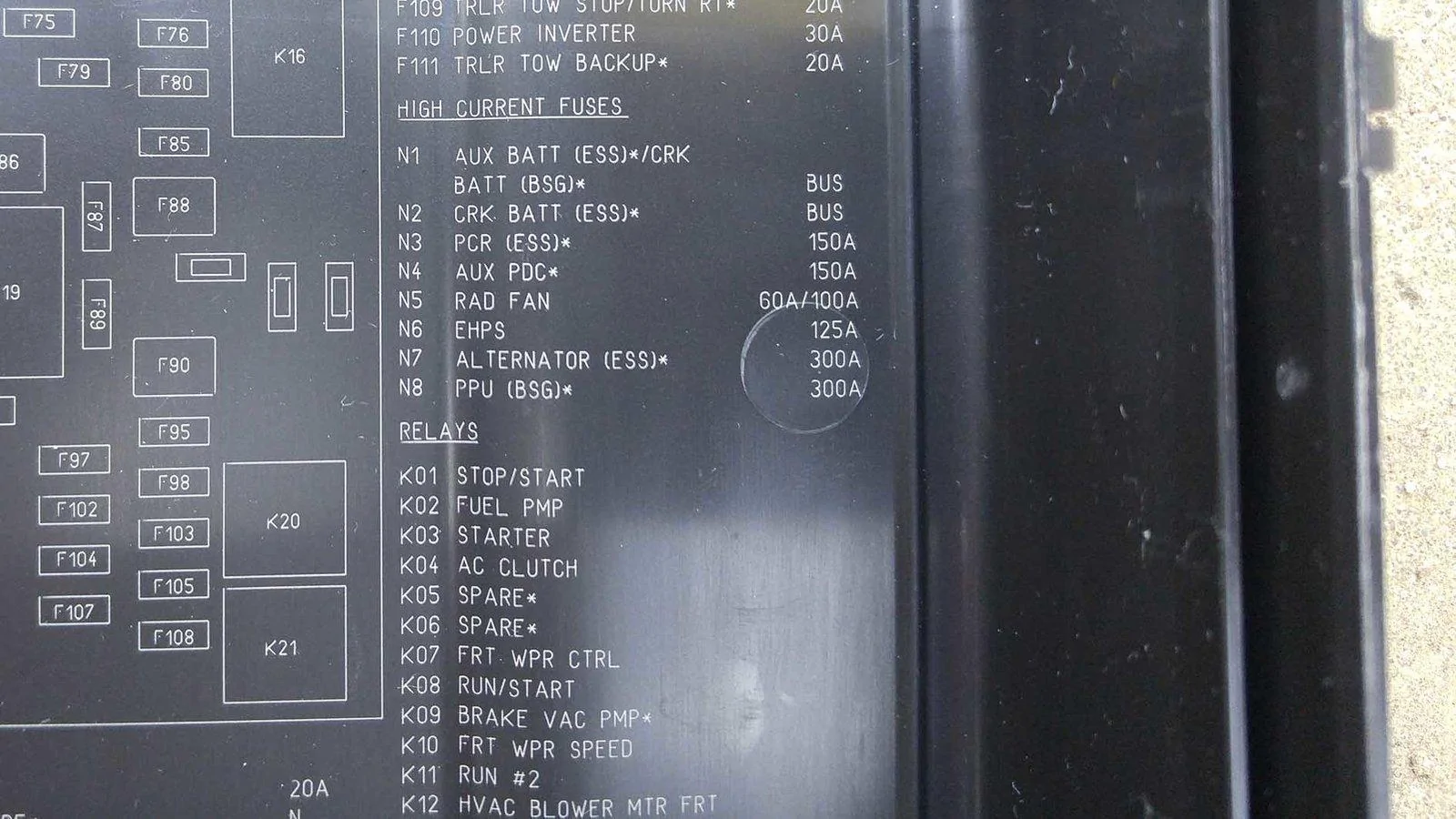
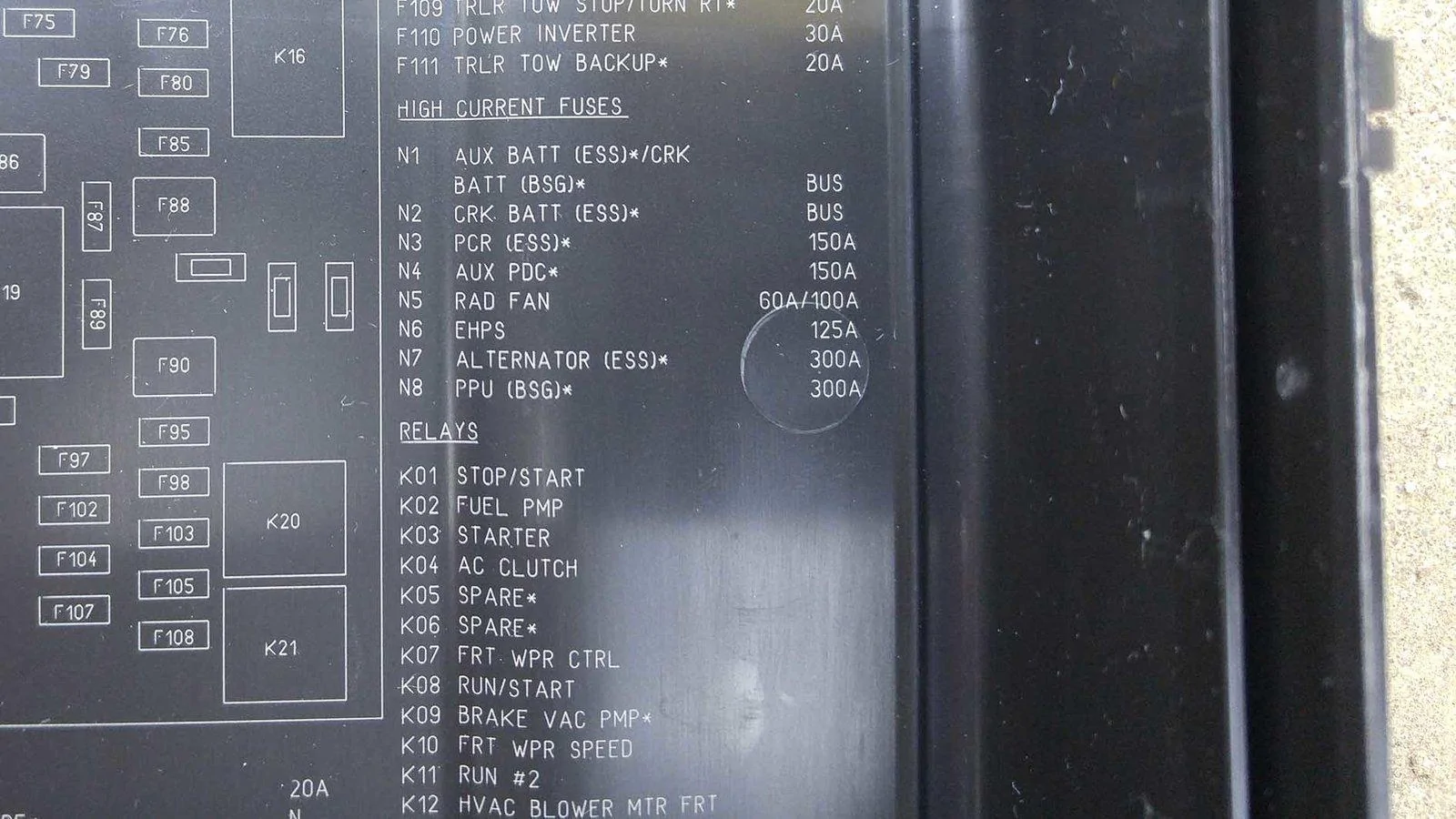
The Power Control (ESS) relay is what connects the two batteries in parallel. I suspect it is more like a dual battery controller as opposed to a simple relay. The batteries are in parallel when cranking, but since the large battery is connected directly to the starter, it is called the cranking battery (see PDC label above). If the aux battery is dead, the electronics that work the starter relay won't function and it won't start. If you disconnect the positive battery terminal from the large battery, the aux battery can start the engine through the cables still attached to that disconnected terminal.
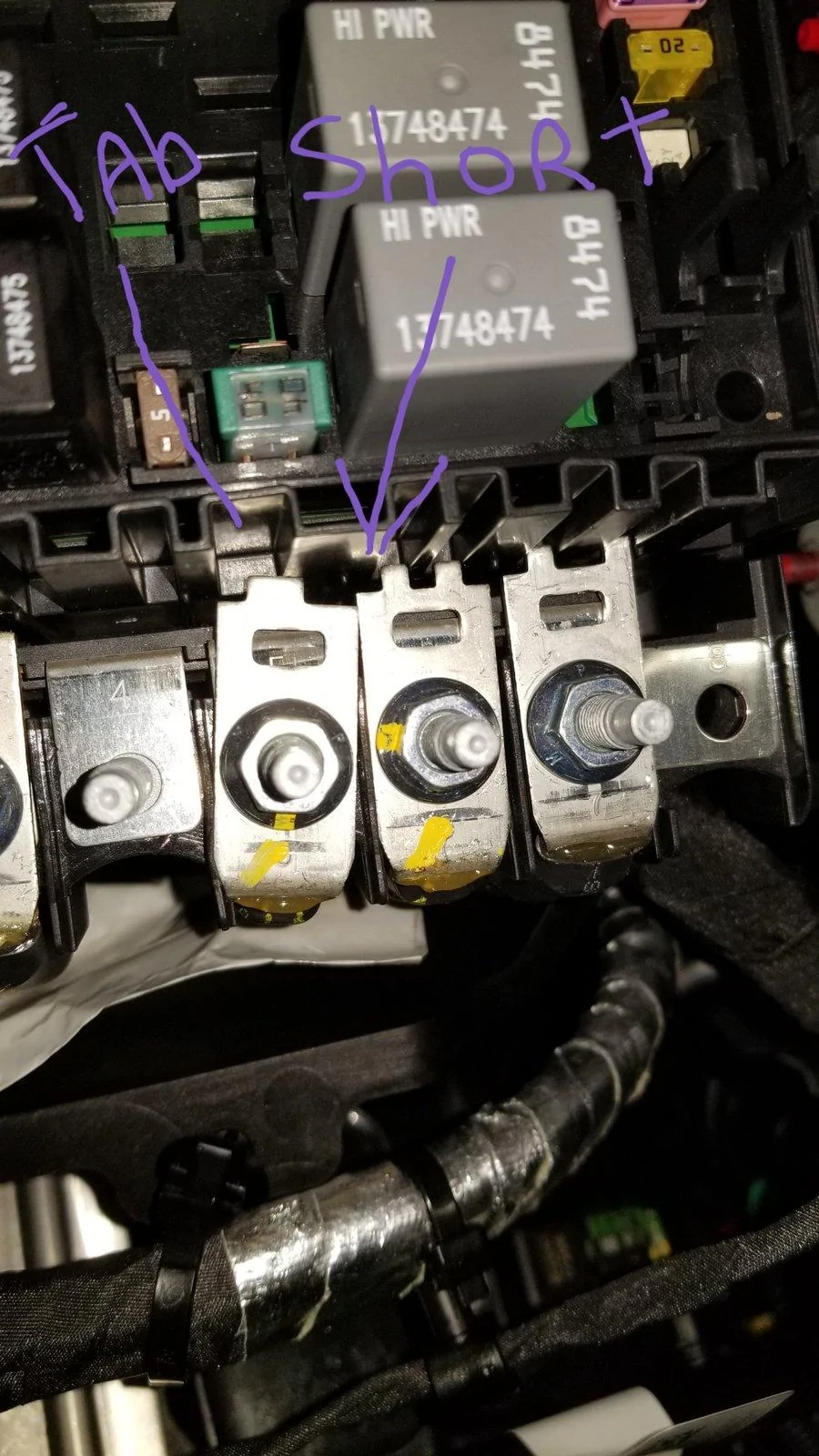
If you are jump starting the aux battery by connecting to the large battery, the charge gets to the aux battery through the Power Control relay, which may account for the slow charge. If you jump the aux battery through N1, you bypass the Power Control relay and connect directly to the aux battery, but this won't charge the large battery if the Power Control relay is not connecting the batteries.
In theory, if the aux battery is dead, but the large battery is good, connecting N1 to N2 should get it started, but try that at your own risk.
Charging current from the alternator to the aux battery goes through the Power Control relay, so if the relay fails, the aux battery will not charge.
If anybody has a better theory, I'm all ears.
Sponsored