
- First Name
- Steve
- Joined
- May 29, 2018
- Threads
- 94
- Messages
- 5,214
- Reaction score
- 9,111
- Location
- Banned Camp
- Vehicle(s)
- 2018 JLU
- Occupation
- jabroni
- Banned
- #76
AAA card
/thread
/thread
Sponsored
Crikey! I guess I shoulda never rode those horses 30 miles into the wilderness all those times without this stuff. But my saddle bags were full of beer and I had no room for all this.IMHO, driving all alone way, way out in the remote boondocks in your car is an extremely risky thing to do in the first place, regardless of what "tools" you may, or may not, decide to take with you. For example, what the heck do you plan to do, whilst purposefully isolated many miles from civilization out in the remote boondocks, if you should happen to have an acute attack of appendicitis, and you are all alone, miles from civilization? Great, if and when your appendix then proceeds to subsequently burst, you would then immediately be in critical condition. Next, Murphy's Law kicks in, and you blow a tire as you struggle to remain barely conscious, and you are, of course, way too weak to change it. Buh-bye!
That said, IMHO the following 5 items are mandatory safety tools, if you plan to drive your car all alone out there in the phenomenally dangerous way out remote boondocks:
1. Acquire your General Class amateur radio (Ham) FCC license, and install a good HF radio and associated all band antenna on your car, covering the 160 thru 10 meter SSB HF analog voice bands. Along with this, also install a good VHF 2M Amateur Packet Reporting System (APRS) Ham radio and its associated VHF antenna, with an internally fully integrated GPS, or sans an internally integrated GPS, connected to its own GPS receiver. And, train, train, and retrain-up on the proper use and procedures of your installed HF voice radio, and use of APRS and your particular APRS Ham radio, so you are thoroughly familiar with HF SSB analog voice communications, and VHF APRS, especially as to how to use both of these technologies in an emergency.
2. Have a minimum of 3 fully charged up ginormous capacity batteries for your cell phone
3. Take a good Iridium satellite phone with you, with 3 spare fully charged batteries
4. Take a high quality satellite emergency alert beacon unit with you, with internal and fully integrated GPS, and several fully charged spare batteries.
5. Take a high quality handheld GPS unit with you, along with 2 or 3 spare and fully charged batteries.
It goes without saying, of course, all of the regular Boy Scout paraphernalia, like a signal mirror, flints, high quality compass, lots and lots of dry warm clothes, sleeping bags, a really good tent, boots, flares and flare guns, extra gasoline safely stowed and stored, etc. should also be included for your journey. The list is simply too long to delineate all of the "standard" safety items.
Good luck!
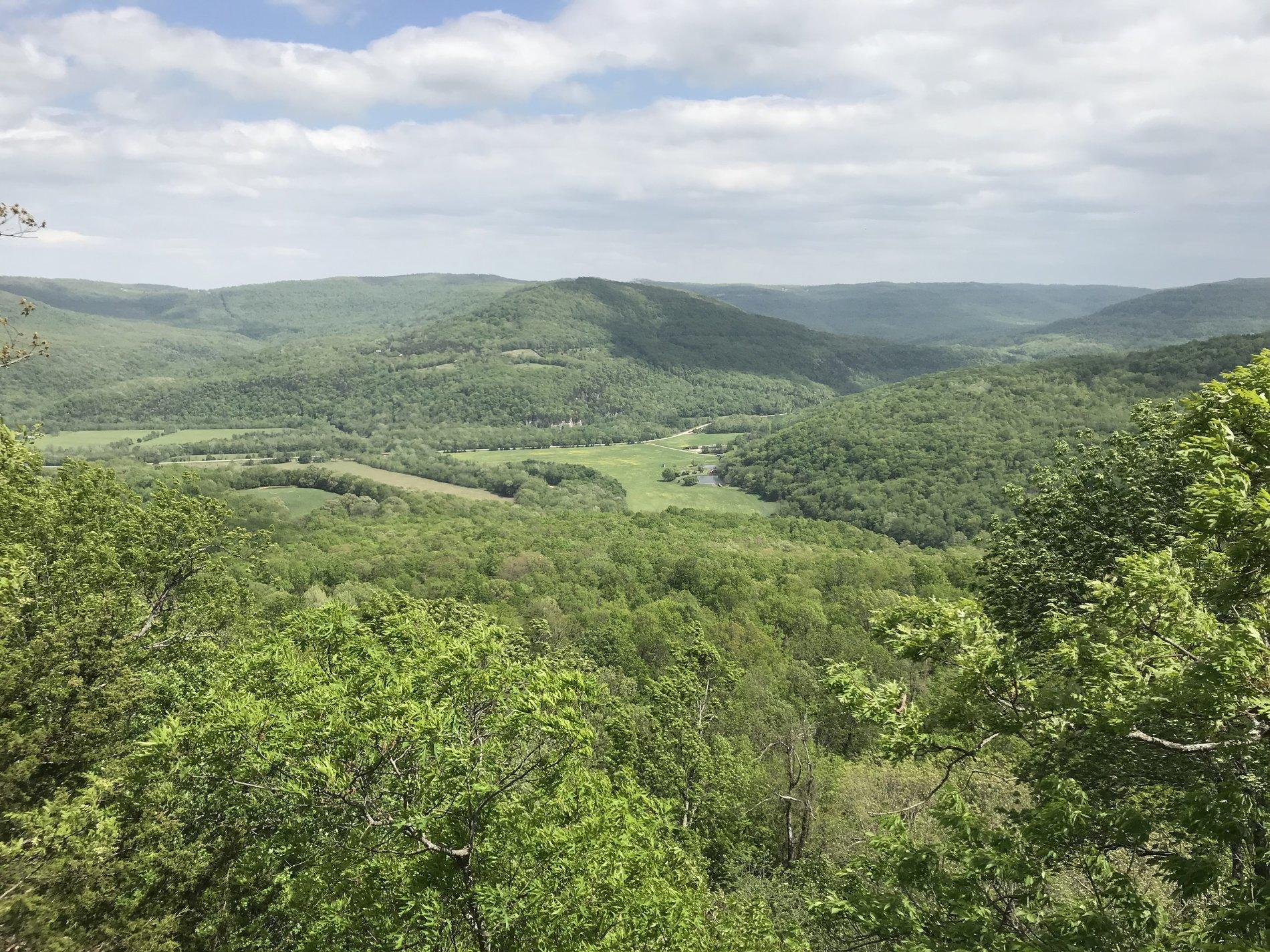
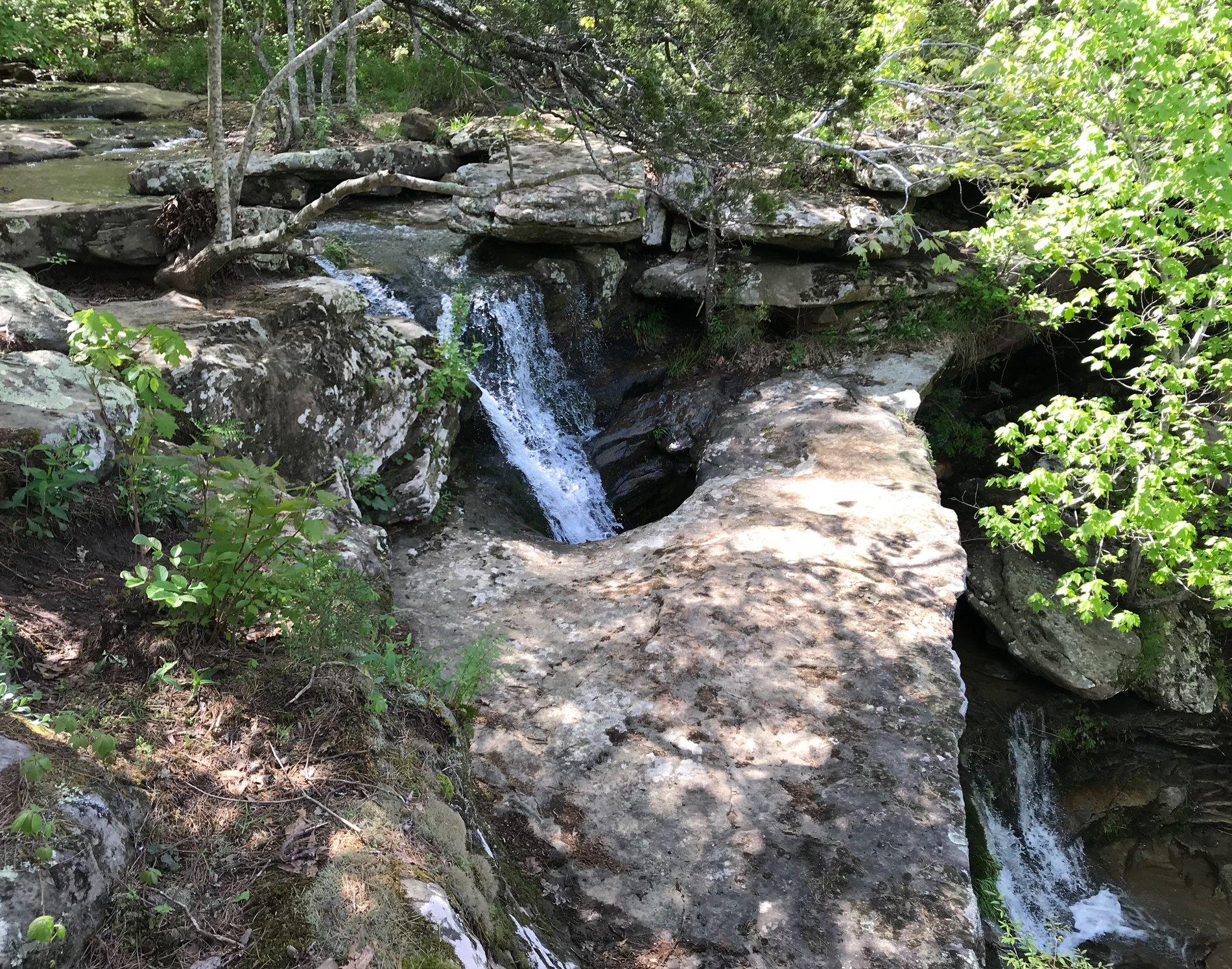
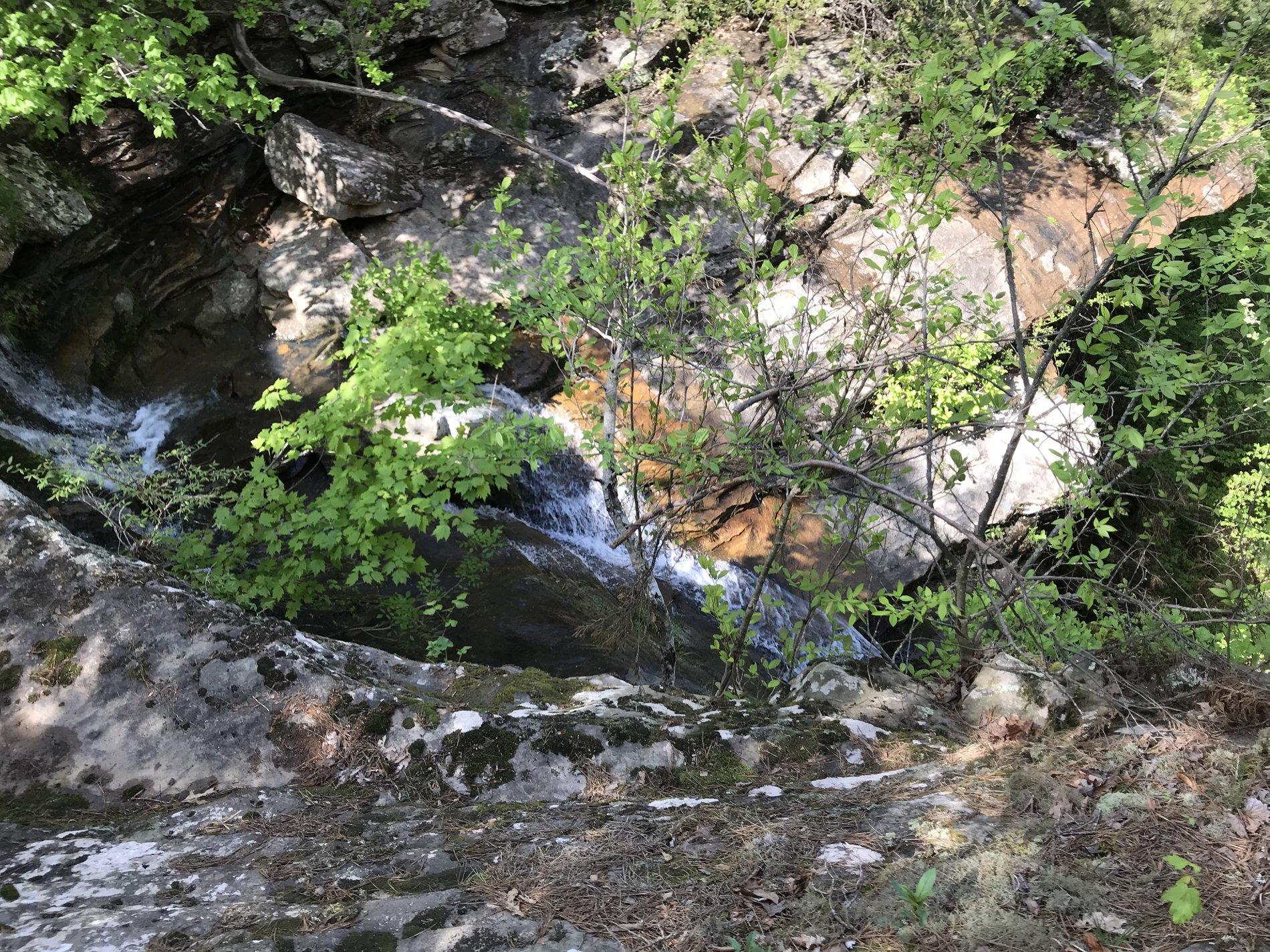
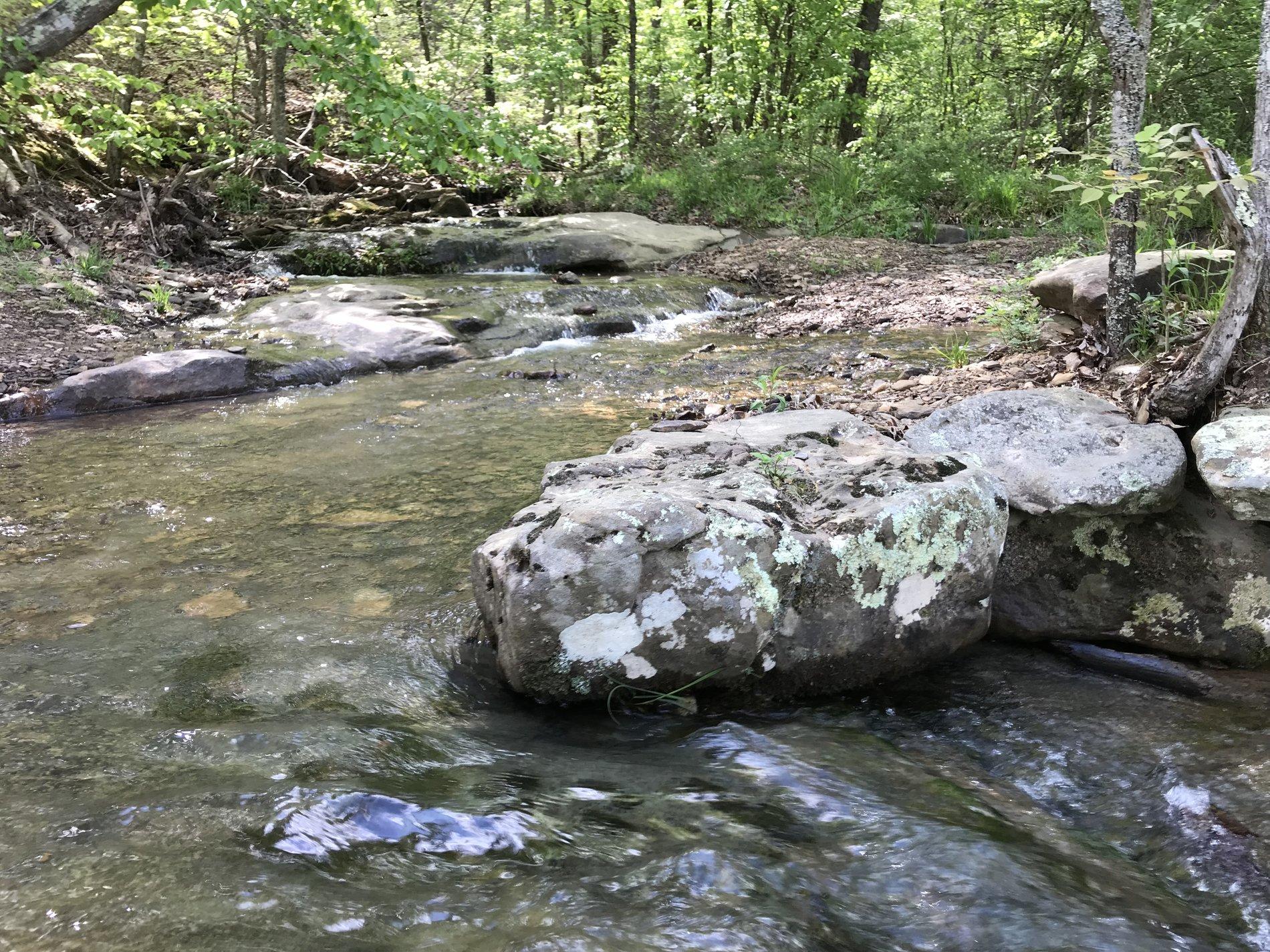
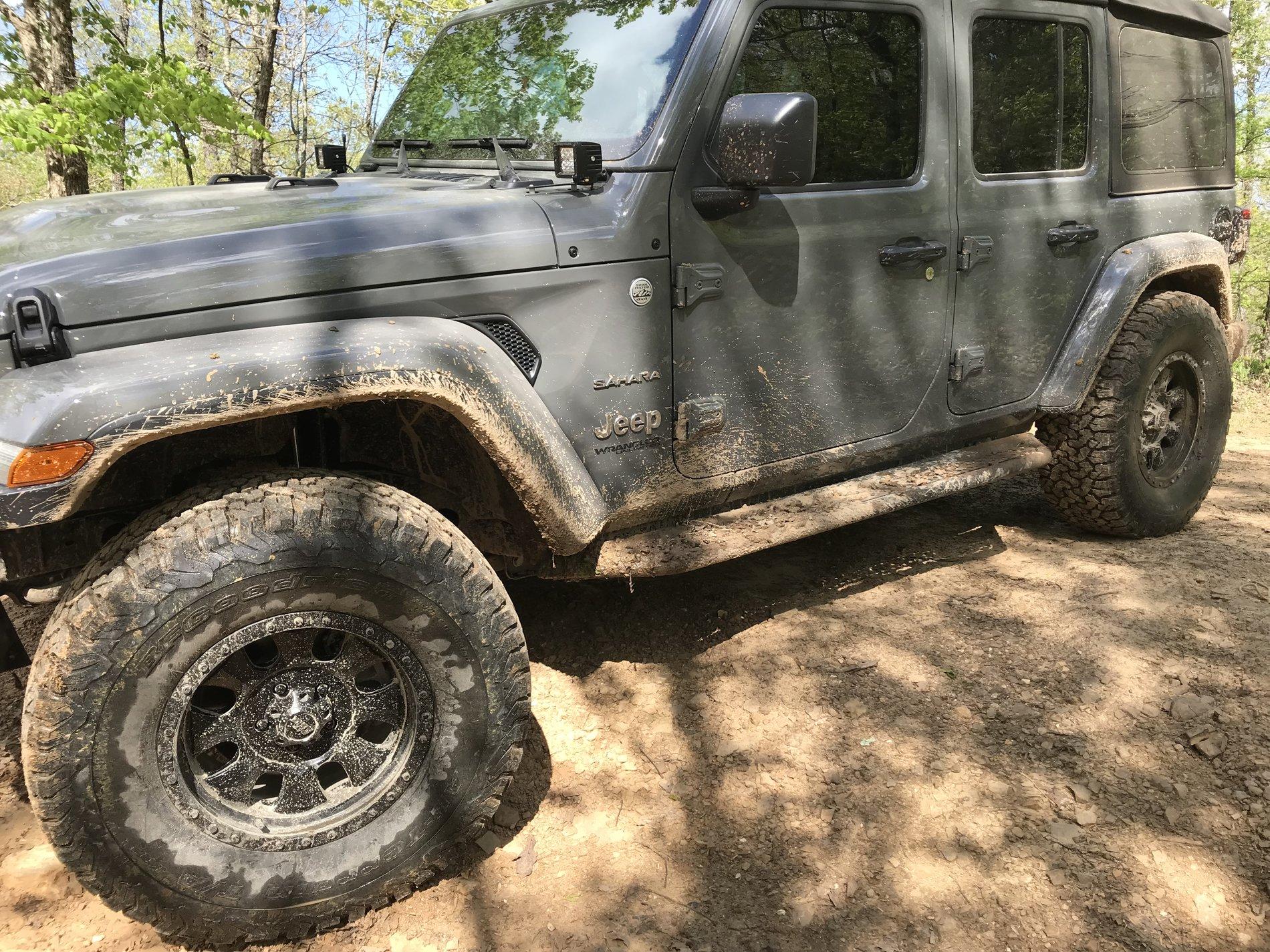
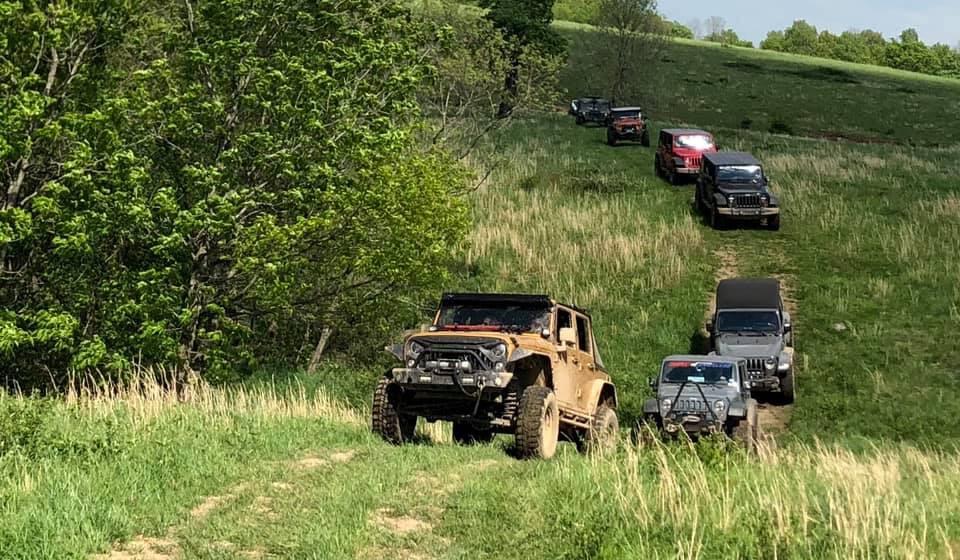
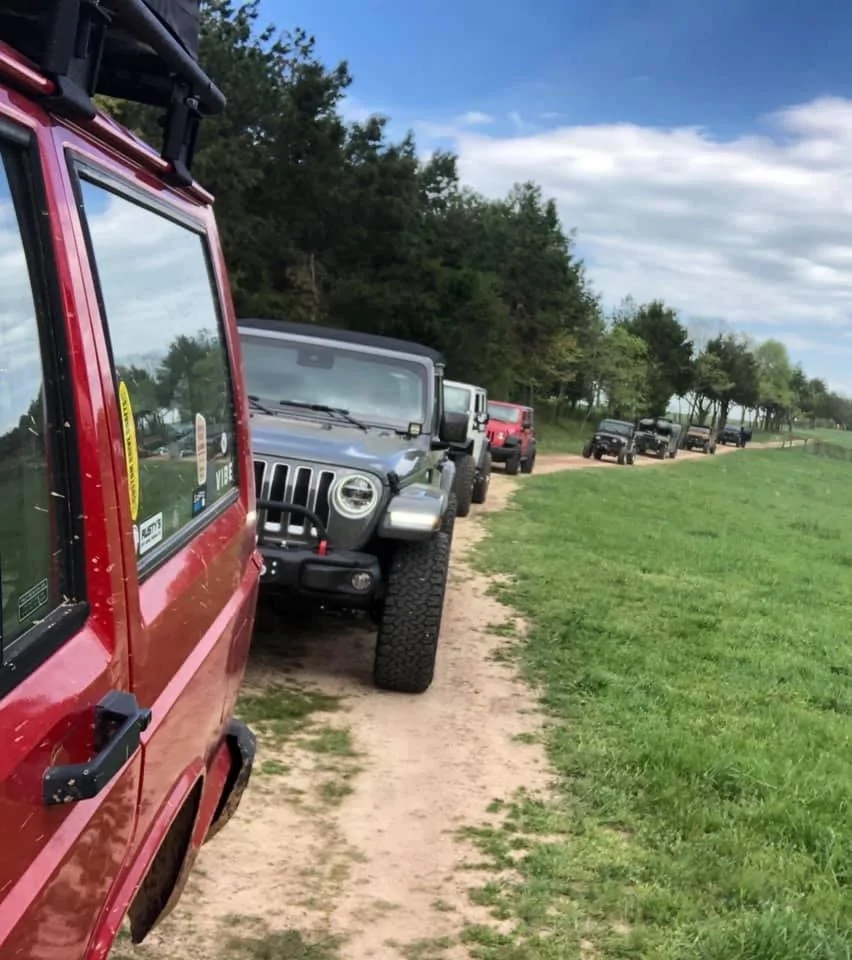
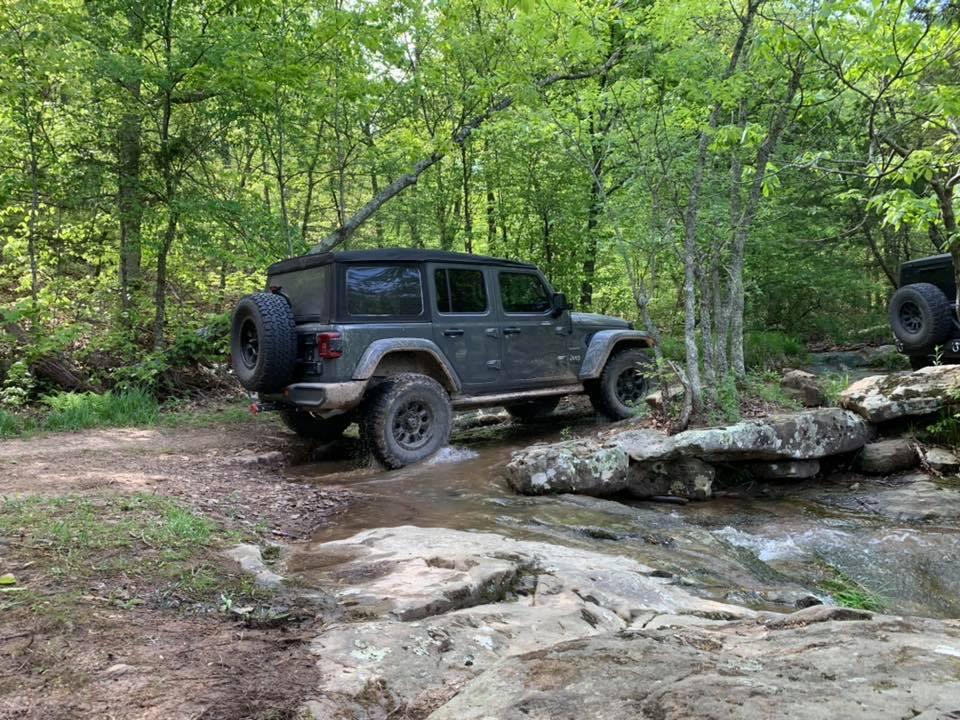
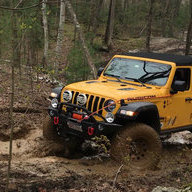
Thought I’d report back. I had a blast. My first trail ride and can’t wait for the next. I have some pics and videos below. Keep in mind this is not a major wheeling, rock-crawling type trail. It’s a bunch of old logging roads and some newly cut trails spread out on over 2,000+ acres, mostly for all drivers. Unfortunately, I only had half a day or so to enjoy, so I need to go back and hit more trails.
There were a few steep climbs and some mud but only one climb I felt a bit of anxiety on. My Sahara with BFG KO2s did great, though thankfully I left before the group encountered a 2-foot deep mud-hole.
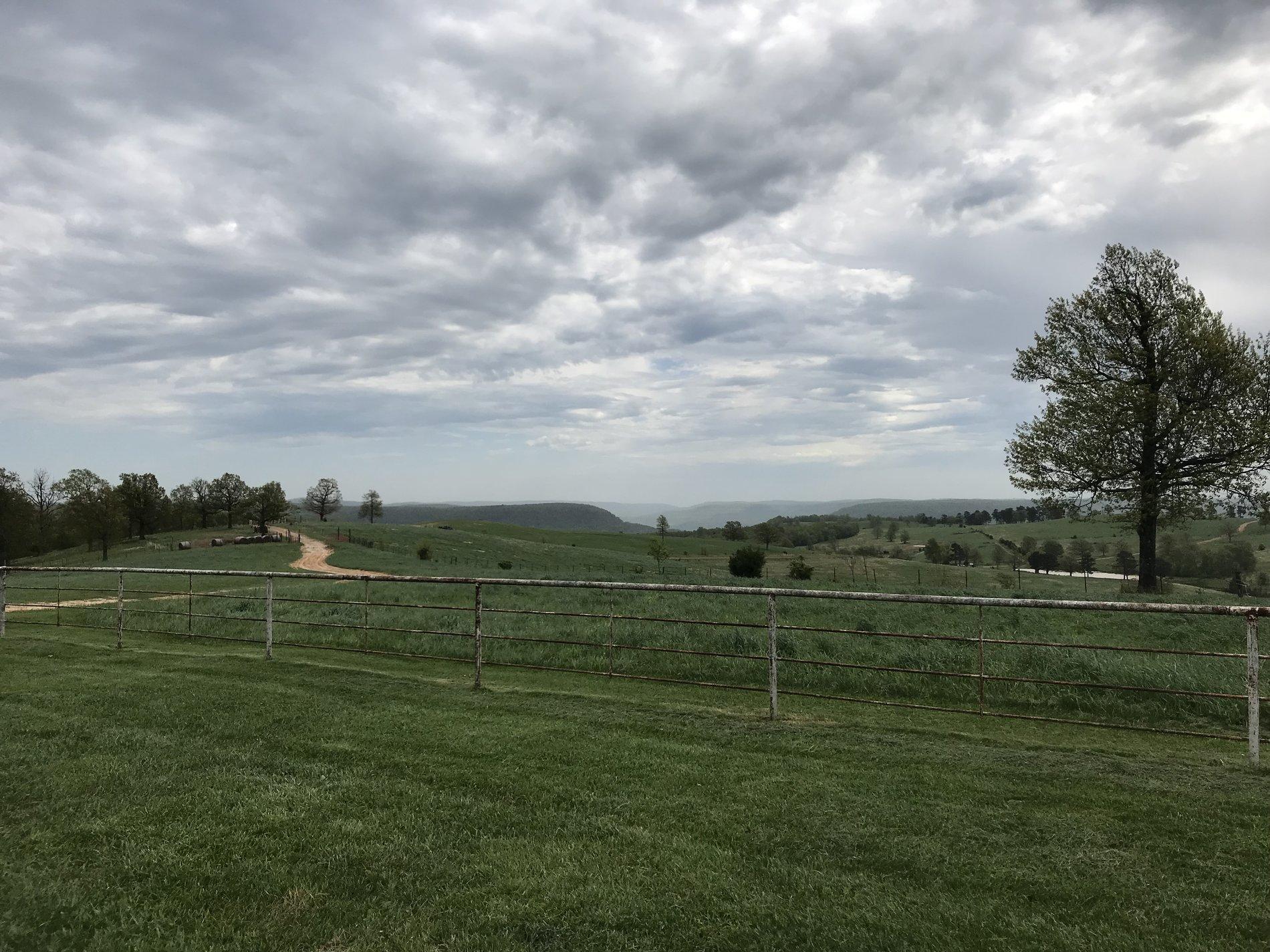
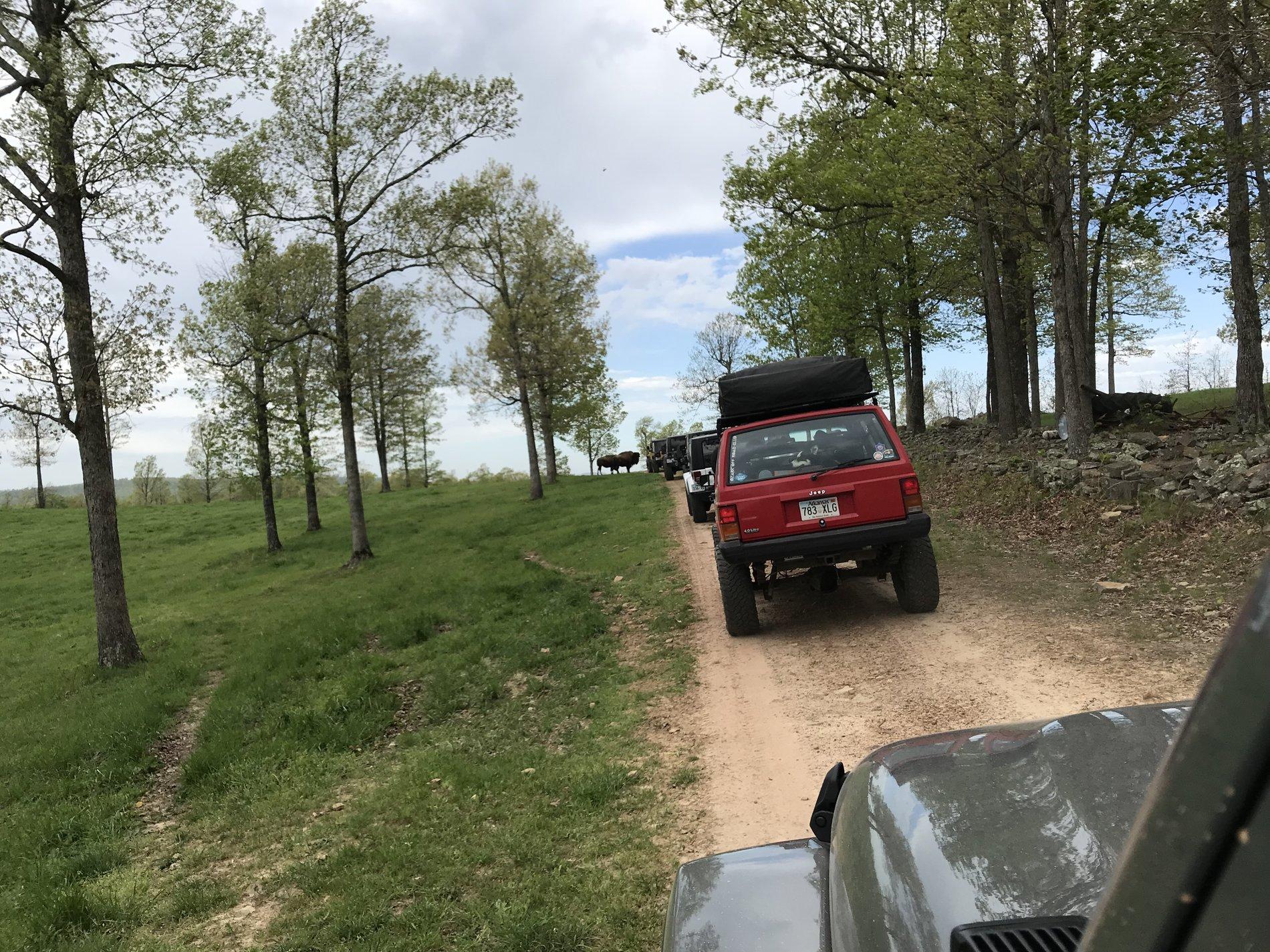
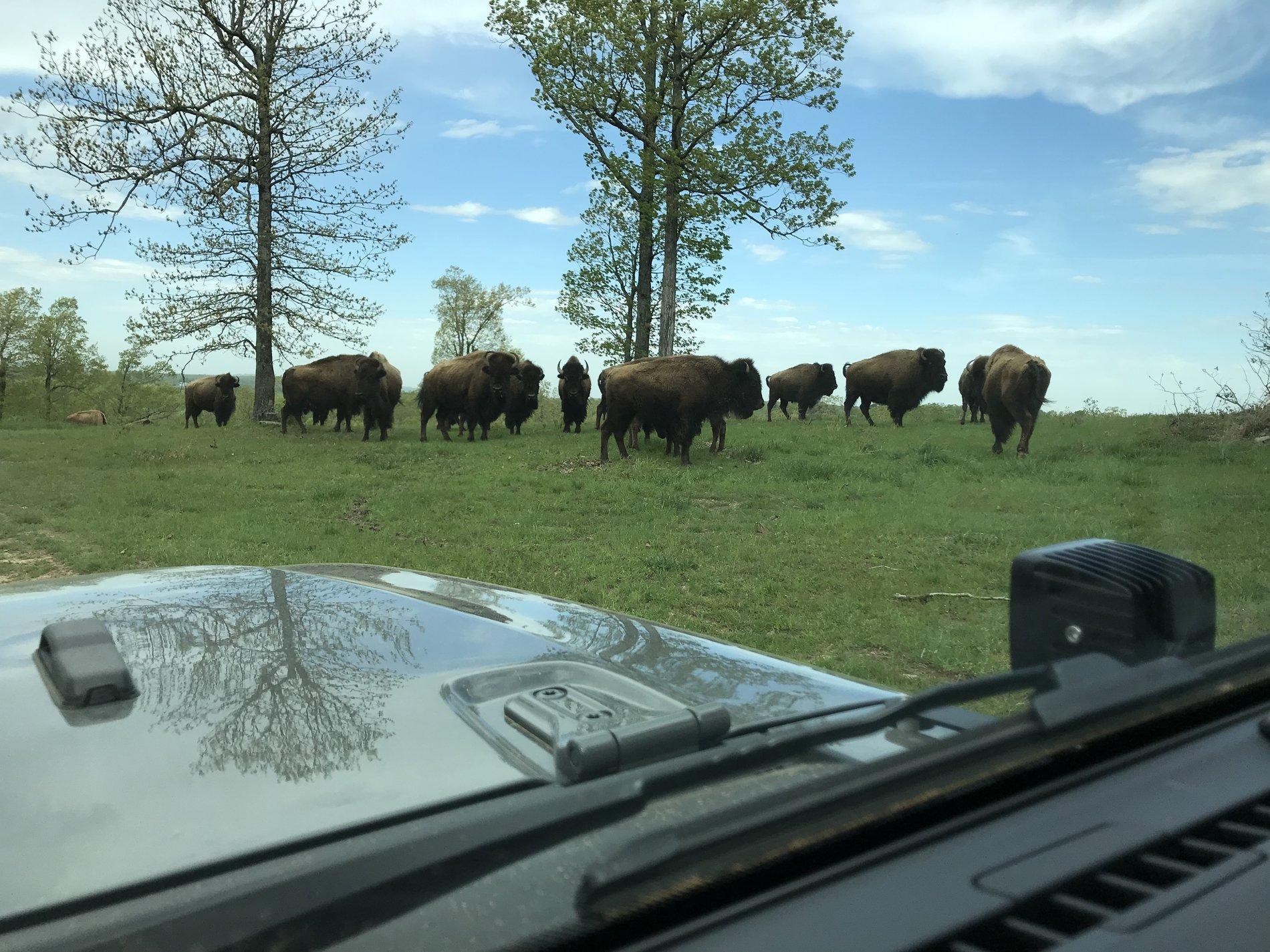
The park is a working buffalo and cattle ranch, so that added some fun seeing the animals. This is in northwest Arkansas in the middle of the Ozarks. The scenery is really beautiful.
Thanks to the responses here, I added several things to my prep that I hadn’t thought of and even bought a bottle jack the morning before the ride. I didn’t have a set of jumper cables with me but that was the only major thing I think I was missing.
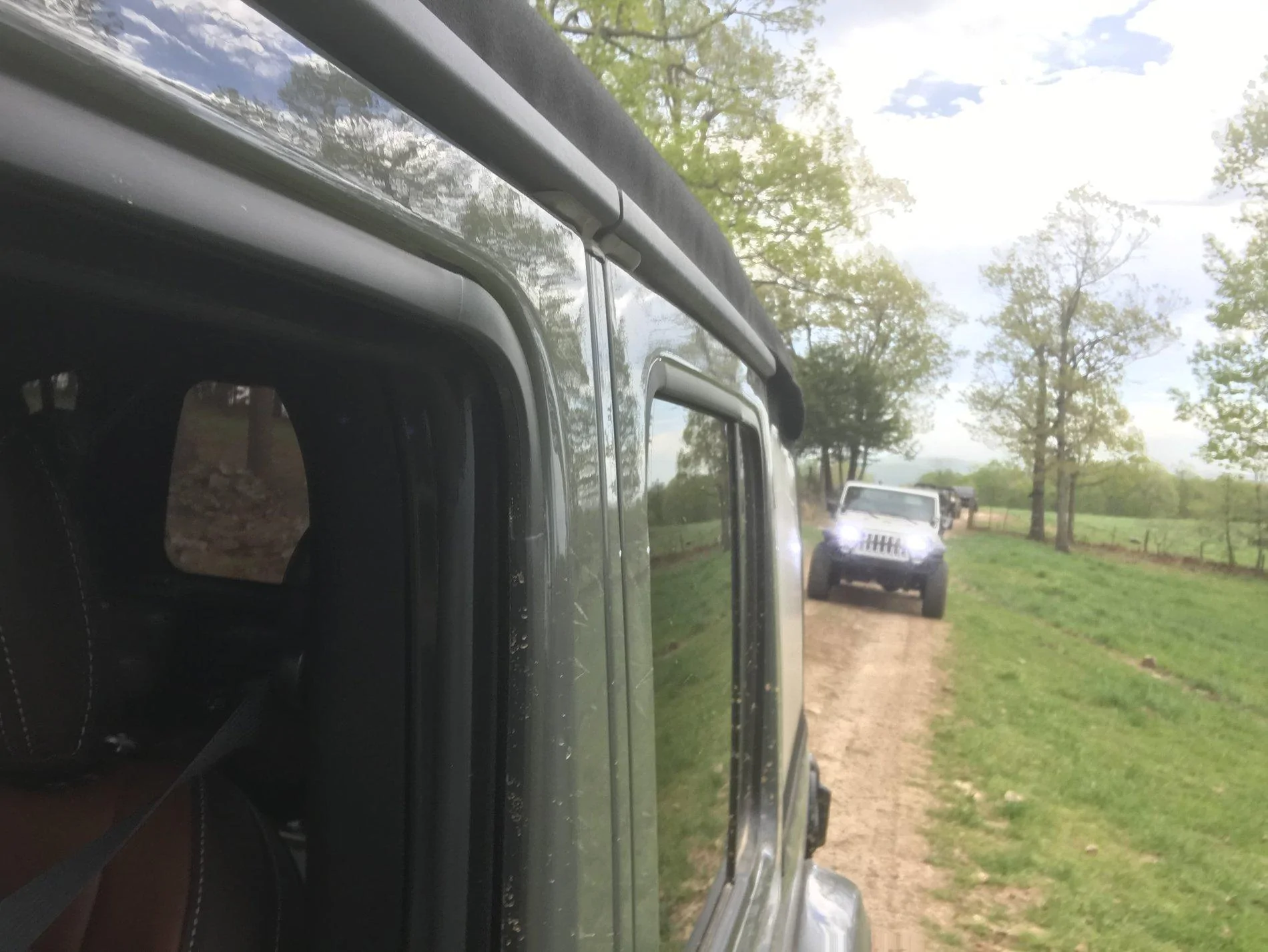
We had a dozen vehicles, 11 Jeeps and one Hummer (from Iraq war - cool as hell but a bit too wide for some of the trails). Not a huge group but not tiny, either.
This was the first time I had met any of the other people. Everyone was welcoming and super friendly. I felt out of place both being new and having a JL but that was only my own insecurity. There were TJs, YJs, JKs, and I think a CJ (and the Hummer). All were super friendly and I got several compliments on the Sting Gray color.
Anyway, thanks to all for the positive feedback and comments. Now prepping for the next adventure.


I'm a bit more concerned about bringing what I need than I am concerned about what other people think. But there is a limit on how much weight I want to carry (as little as possible) and how much work I want to do loading and unloading gear for every outing, so there is a natural self-limiting balance. I say bring what you think you'll need, keep checklists and work on paring it down over time as you see what you use regularly vs. what you have never used and start to suspect are very unlikely to ever use. And don't worry what other people think - in my experience the local on-the-ground f2f Jeep community is very welcoming and non judgmental.I’m going on my first organized trail ride this weekend. I got my JL in late Jan. but have been reading this forum and other sources for almost a year trying to learn. I think I have all the tools and recovery gear covered (I have an absurd amount of tools and gear). I also just ordered some handheld CB gear with external antenna support (not quite ready to install a full CB). What other tips and tricks would you experts give for a noob? I have a Sahara with 2.5” lift + 315/70/17 tires.
I don’t want to show up looking like an ass but I don’t want to be unprepared, either.
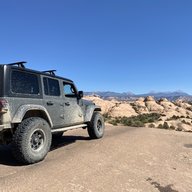
I would like to say I could not worry about what others think but I don't want to ride alone (for safety reasons - otherwise I'd be happy to be alone) and having respect amongst my peers is important. I want to carry as little as I can but as much as I need and there is a fine line, as you allude to. I'm sure I will get more comfortable over time, especially as I get to know people, but this was very stressful to prep for. In the end it all worked well and everyone was super friendly and accommodating but I still worry about being "that guy" who people talk about behind my back. It would probably be different if I wasn't just new but new to Jeep offroading period. Double the stress.I'm a bit more concerned about bringing what I need than I am concerned about what other people think. But there is a limit on how much weight I want to carry (as little as possible) and how much work I want to do loading and unloading gear for every outing, so there is a natural self-limiting balance. I say bring what you think you'll need, keep checklists and work on paring it down over time as you see what you use regularly vs. what you have never used and start to suspect are very unlikely to ever use. And don't worry what other people think - in my experience the local on-the-ground f2f Jeep community is very welcoming and non judgmental.


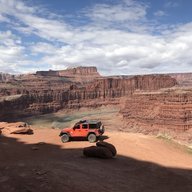
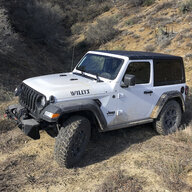
It's nice to get away from it all.They had their tent camps setup with microwaves, tv’s, and every other person was using a satellite phone.