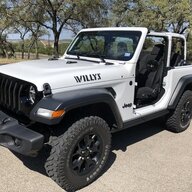
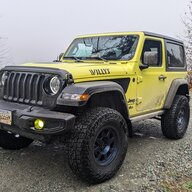
Please be careful putting anything on the paint that is not made to go on paint. Paint has oils in it - naturally. When we put stuff on there that is not intended to go on there, it can dry out the paint. Everything will be fine at first, but the long term damage can happen. You really do not want to dry out the paint. I would suggest taking it somewhere that can fix this without solvents.
Just an aside but a body shop would use solvents to remove the overspray as a first option. Done it routinely in the shop for everything from paint transfer to cleaning up the noobs crappy masking job. 2k Urethane clear is pretty tough stuff.
Here’s the epitome of pro detailer using solvent, and he details vehicles most of us could only dream of seeing from a distance.
Just an aside but a body shop would use solvents to remove the overspray as a first option. Done it routinely in the shop for everything from paint transfer to cleaning up the noobs crappy masking job. 2k Urethane clear is pretty tough stuff.
100% this. Almost every bodyshop will reach for the lacquer thinner and a blue shop towel for the paint. I would start with strong isopropyl alcohol and a microfiber... most latex or acrylic paint will respond to that. If not, I'd try the clay bar again, but using isopropyl as the lubricant instead or water or quick detailer.
100% this. Almost every bodyshop will reach for the lacquer thinner and a blue shop towel for the paint. I would start with strong isopropyl alcohol and a microfiber... most latex or acrylic paint will respond to that. If not, I'd try the clay bar again, but using isopropyl as the lubricant instead or water or quick detailer.
A pretty reckless post, IMO.
I'm going to have to disagree with any suggestion of using lacquer thinner. This is probably the most aggressive solvent and has a very high likelyhood of softening and probably trashing the clearcoat. If you want to put lacquer thinner on your vehicle, great. But I will tell anyone that hasn't done this before to be prepared to have the paint damaged severely from lacquer thinner.
Pro detailers also know that straight isopropyl alcohol softens many clearcoats and any use of isopropyl by pros is always heavily diluted.
A pretty reckless post, IMO.
I'm going to have to disagree with any suggestion of using lacquer thinner. This is probably the most aggressive solvent and has a very high likelyhood of softening and probably trashing the clearcoat. If you want to put lacquer thinner on your vehicle, great. But I will tell anyone that hasn't done this before to be prepared to have the paint damaged severely from lacquer thinner.
Pro detailers also know that straight isopropyl alcohol softens many clearcoats and any use of isopropyl by pros is always heavily diluted.
If you read my post, you'd see that I didn't say I would do it, but one of my best friends has ran a body shop for more than 20 years and lacquer thinner and a blue shop towel is their go to for overspray, paint transfer, tire marks and any number of other things.. if rubbing alcohol damages your clearcoat, I'm going to assume it wasn't painted at a factory or with automotive paints. EVERY car detailer talks about using isopropyl as a decontaminant. I've used it since 1988 and never damaged the paint on my personal vehicles or my customers.
While they are your neighbors and you want to keep a good relationship, them painting your car is not okay; they need to cover sanding and repainting to repair it ti what it was. Their projects should remain within their property line. Good luck!
A repaint should not be needed. Overspray can be removed. The cloth and plastic parts may need to be replaced though. Cleaning the black plastic with harsh chemicals will result in it greying prematurely.
Plastx from meguires will take it off the window. The rest just polish it and it'll come out. Someone grafittied my friends car and the DA polisher got it all of no problem. Detailer will fix it too if you don't want to touch it.