
Sponsored

Cold Air Intake hogwash

Do you believe installing a “Cold Air Intake” OR aftermarket air filter makes sense?

  • Yes

  • No

  • Still not sure


Results are only viewable after voting.

Whaler27

Well-Known Member
First Name
Alex
Joined
Jul 1, 2020
Threads
60
Messages
2,667
Reaction score
5,337
Location
Oregon
Vehicle(s)
2019 JL, 2016 Jeep Grand Cherokee Altitude Ecodiesel, 2005 Mustang GT, 2018 Ford Raptor, 2018 BMW R1200GSA, 2020 Honda Monkeybikes (2), 1972 Honda CT-70, 1980 Honda CT-70,
Occupation
Saving the world :-)
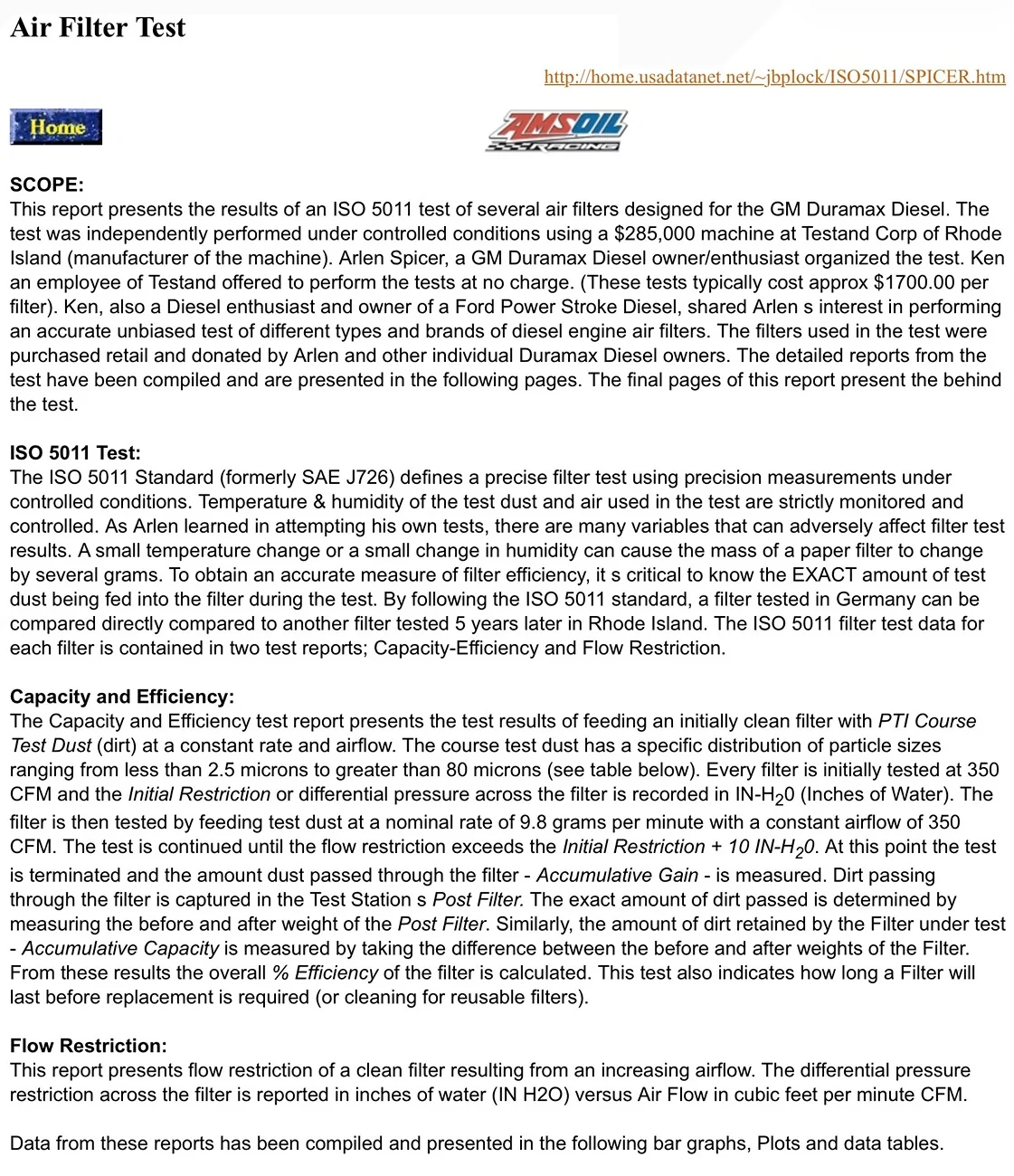
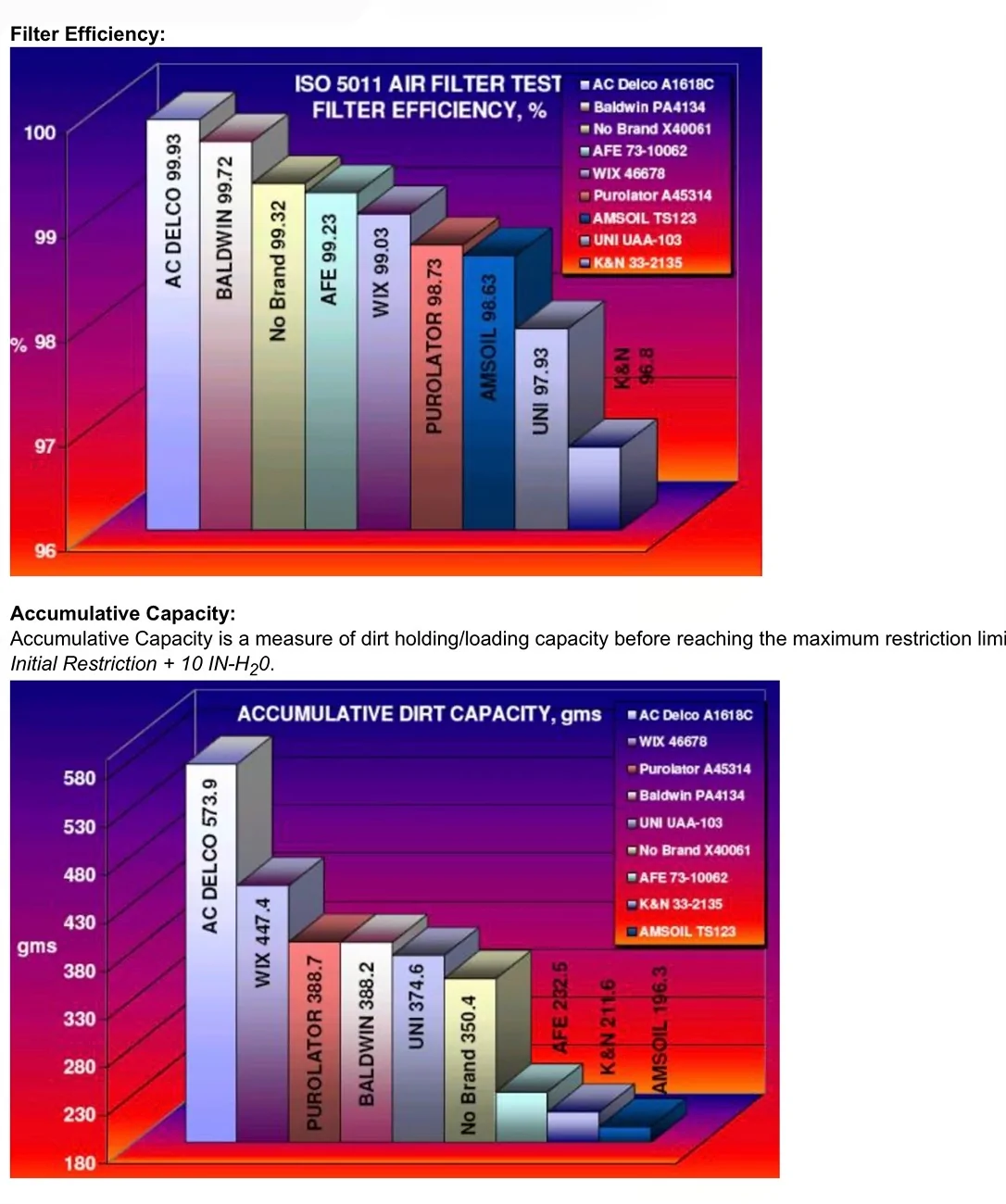
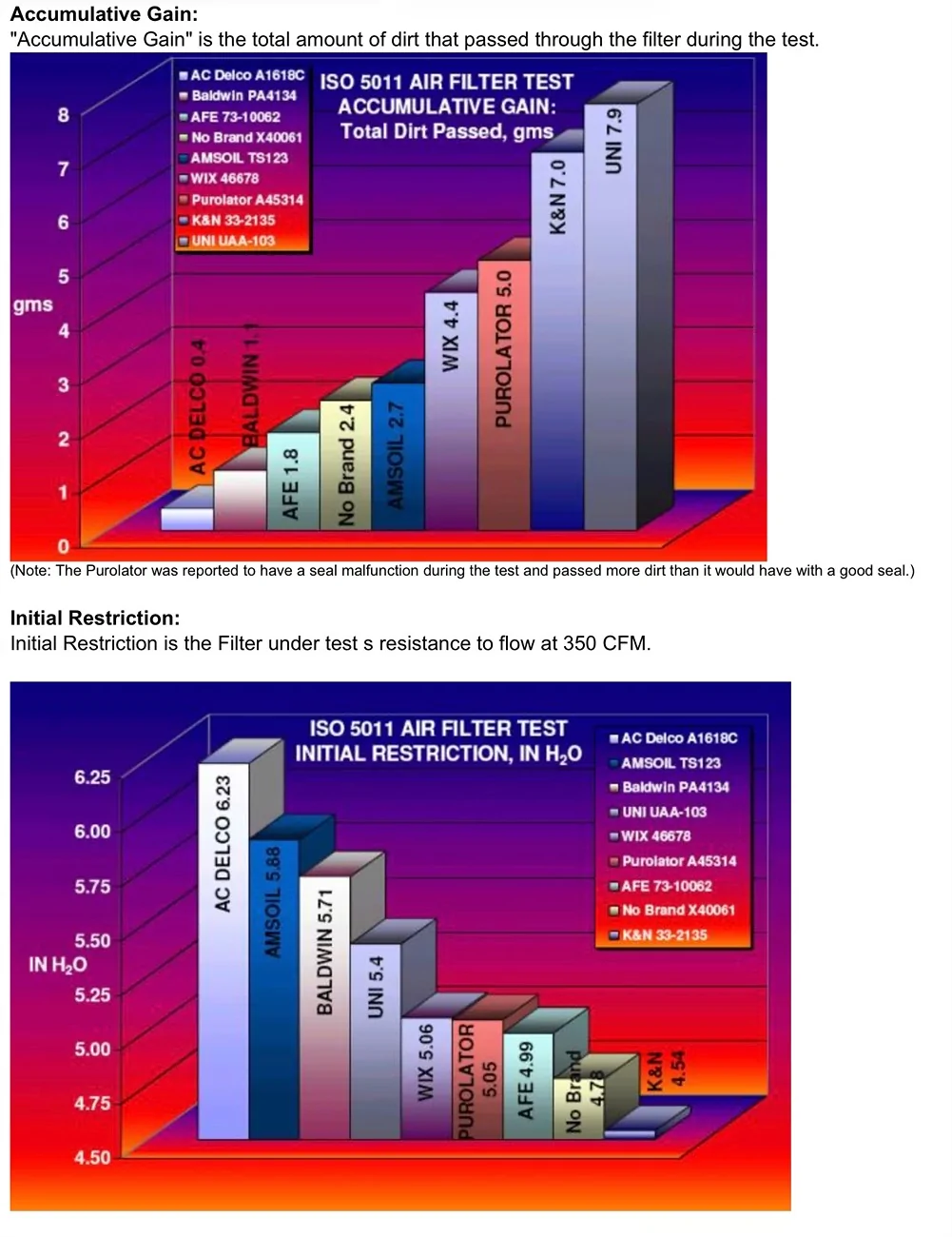
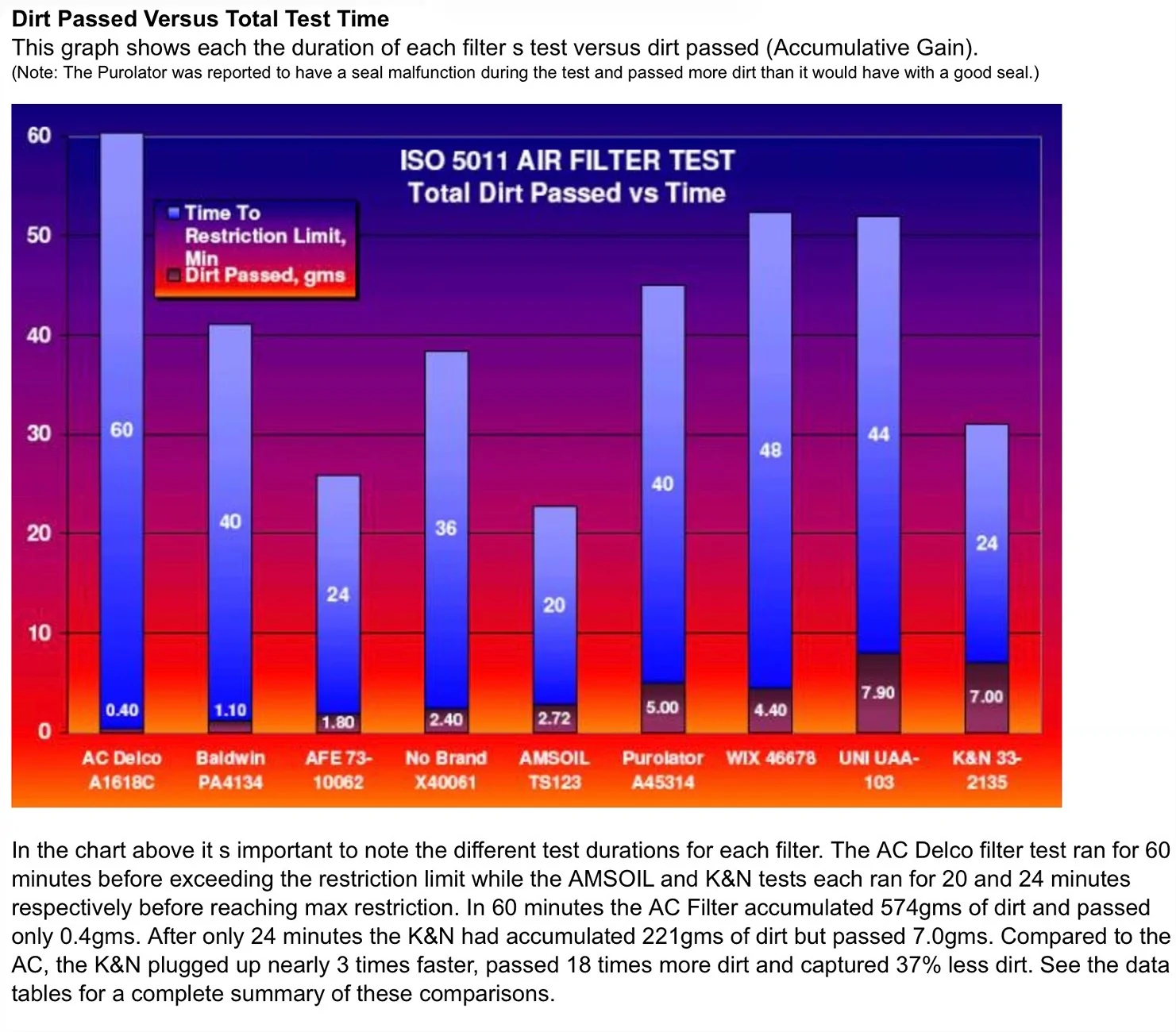
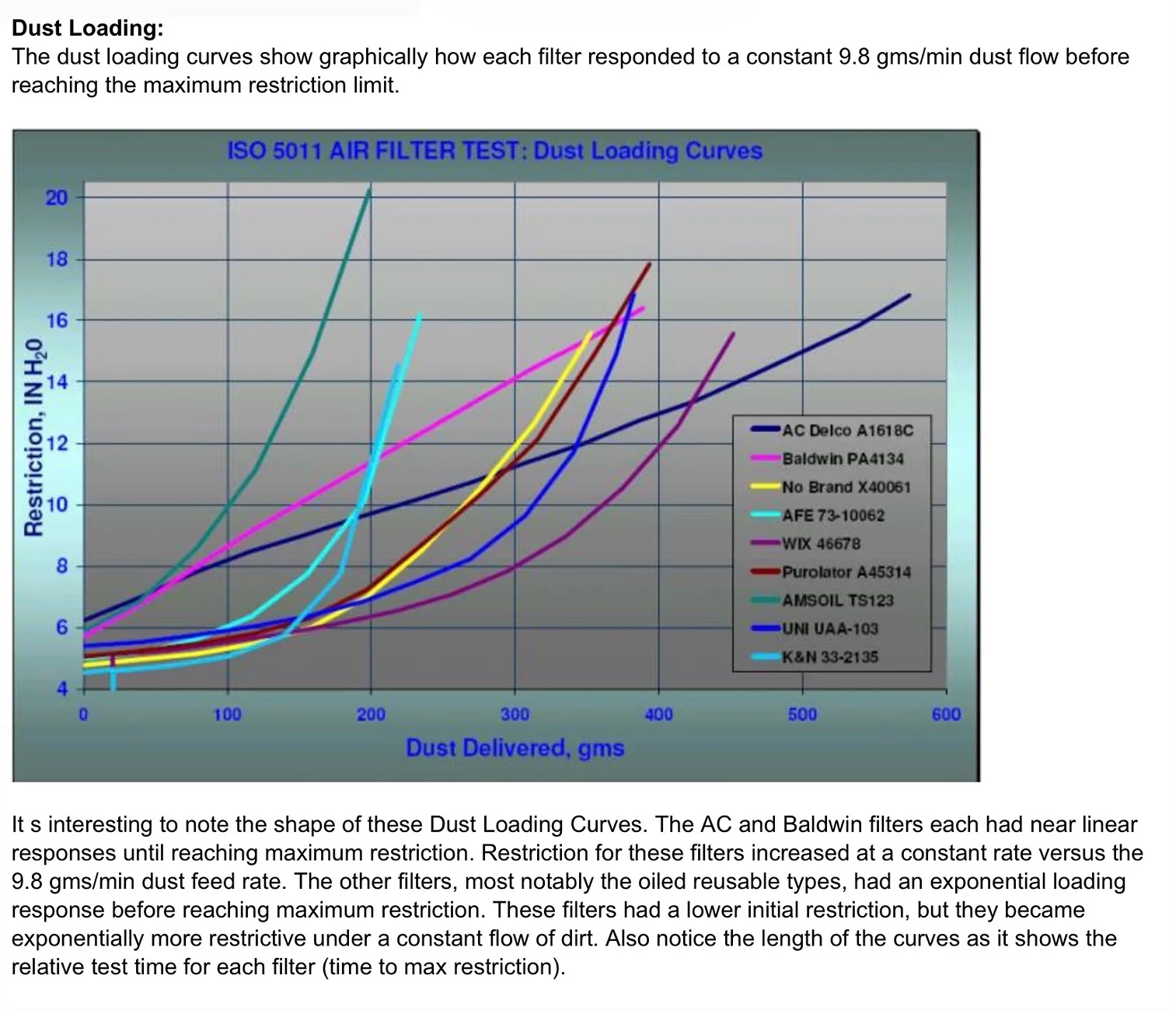
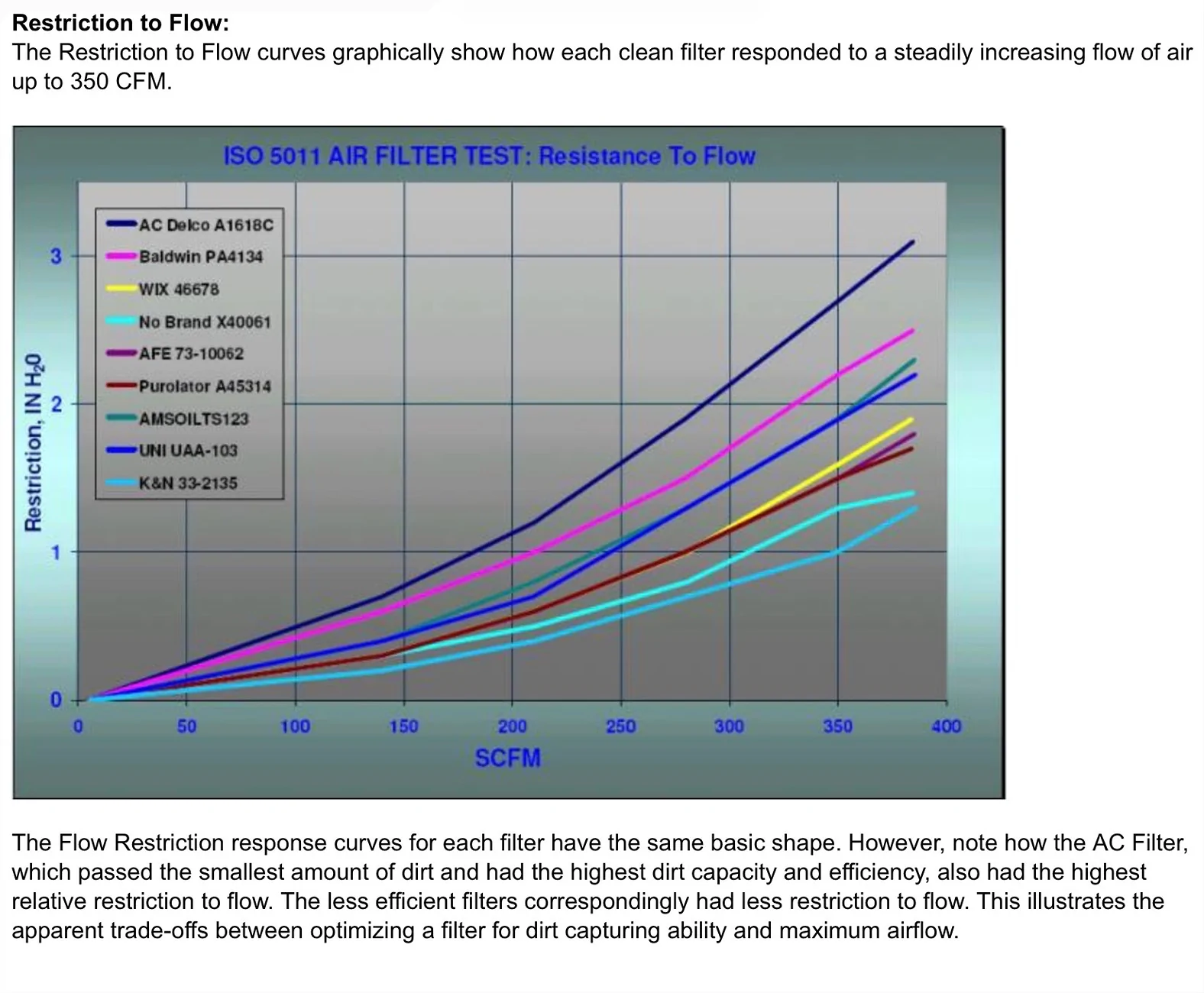
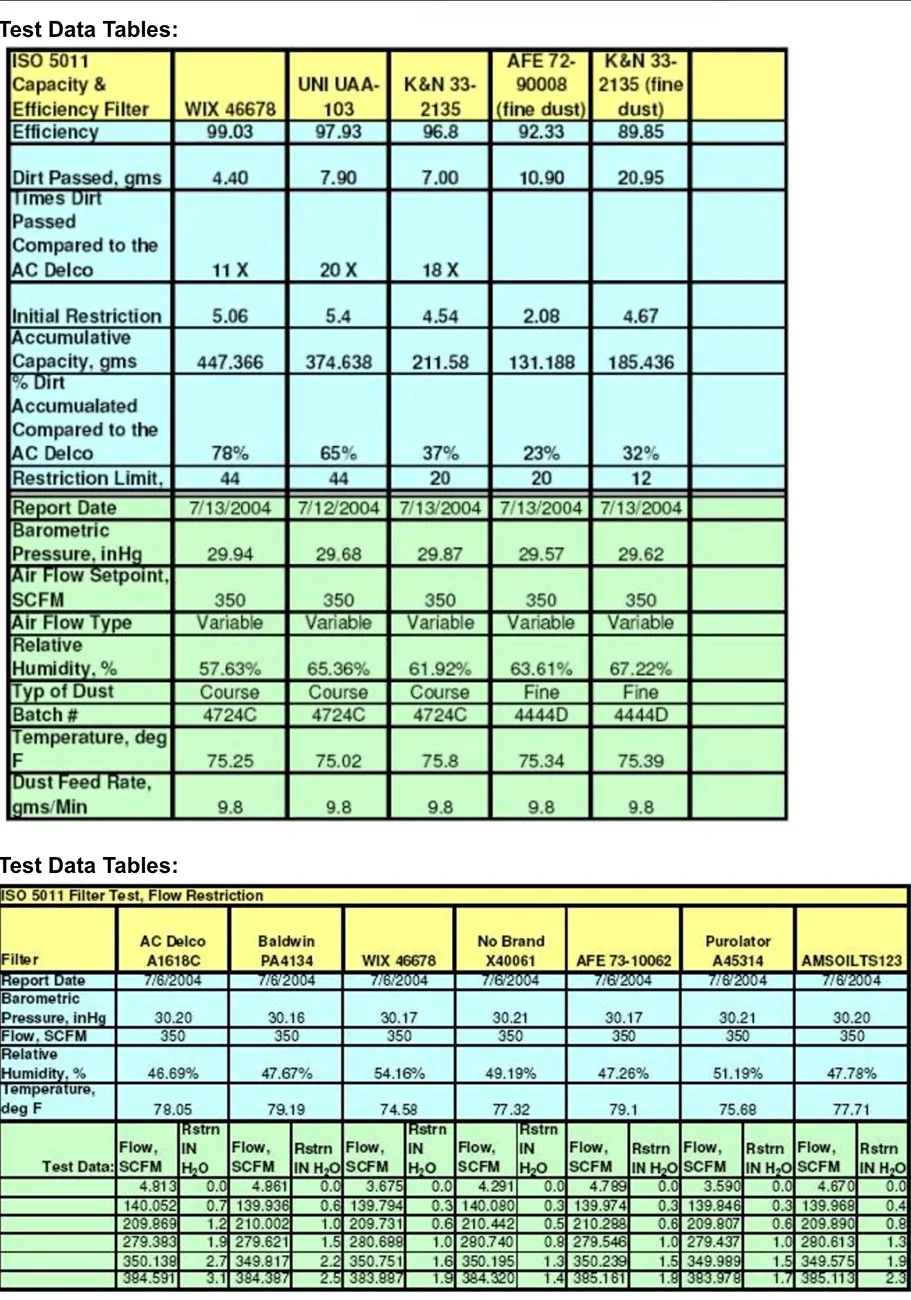
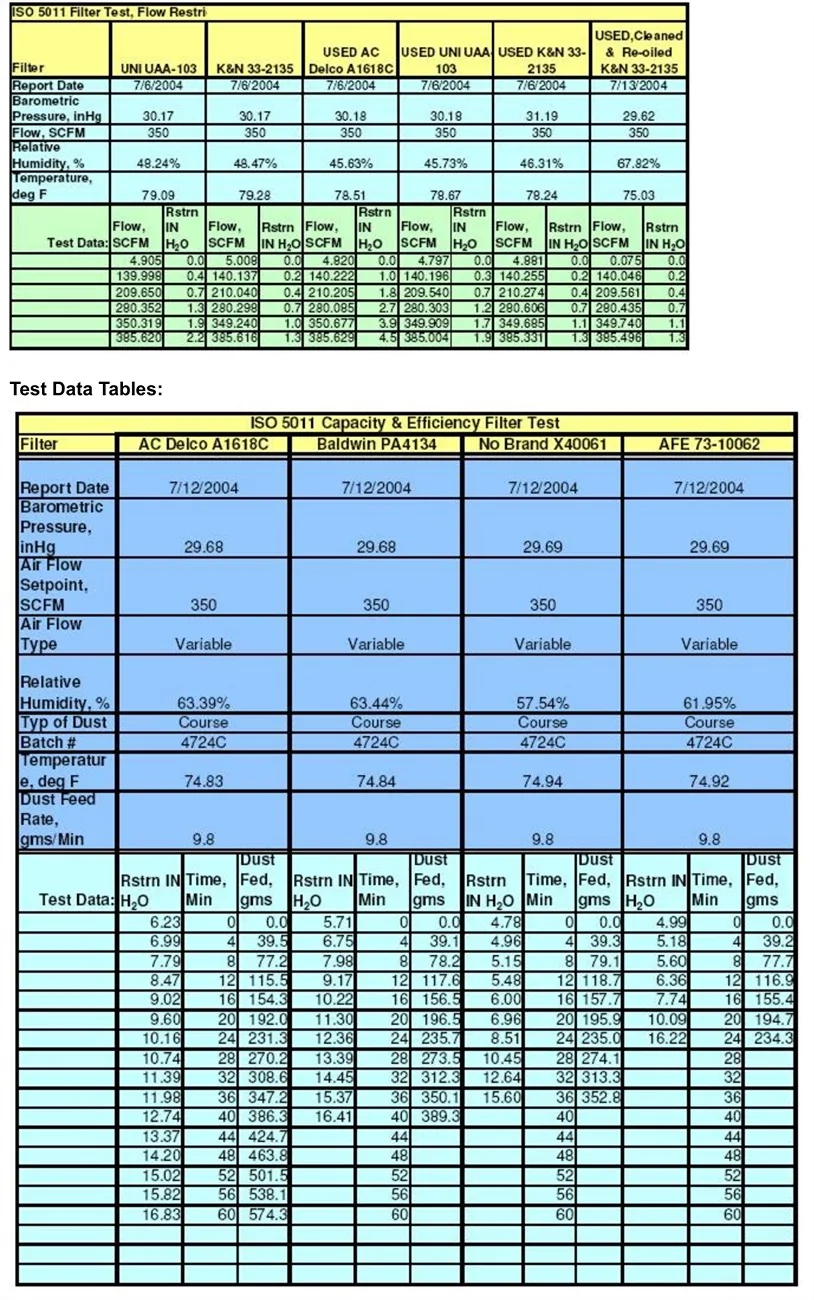
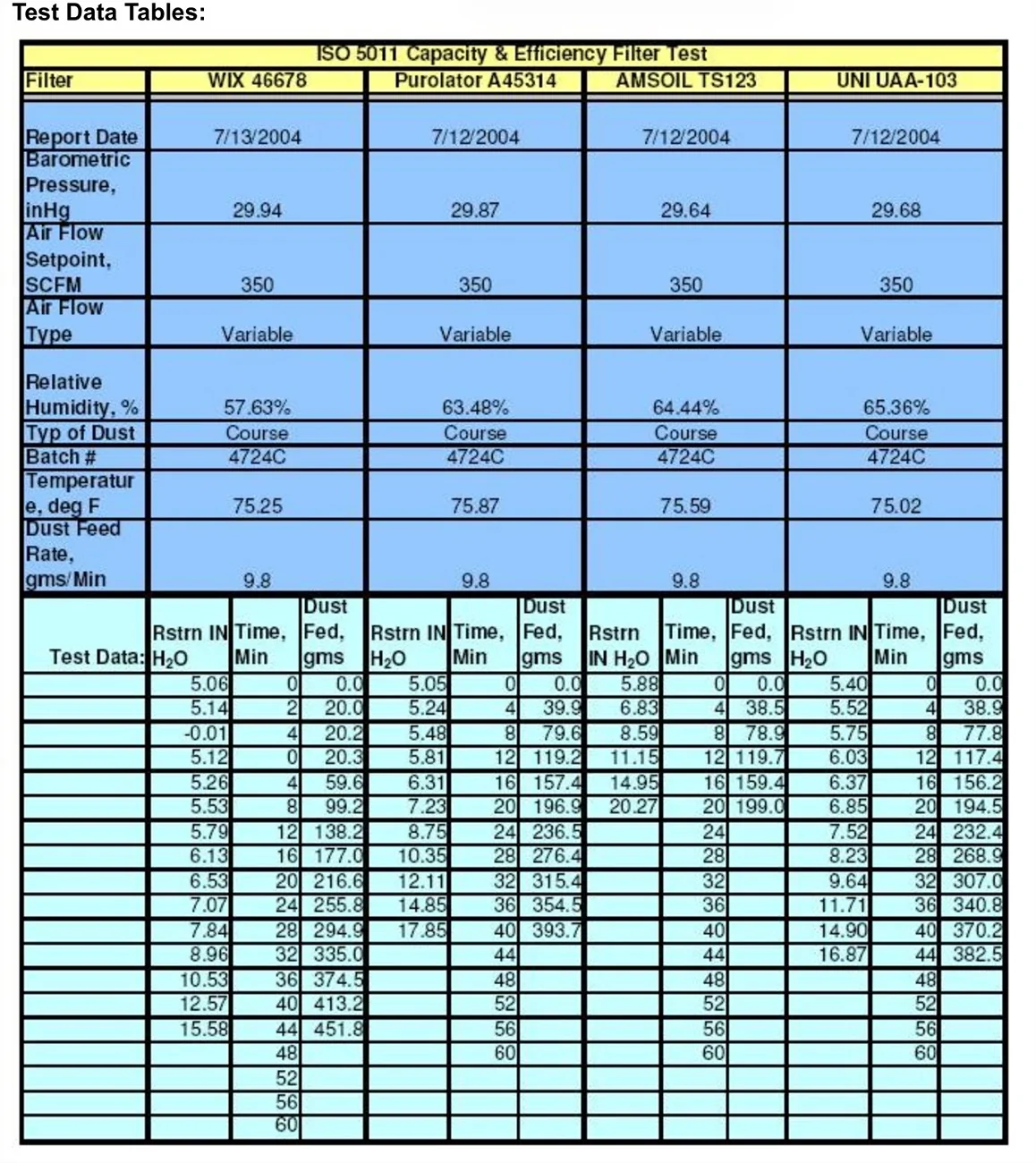
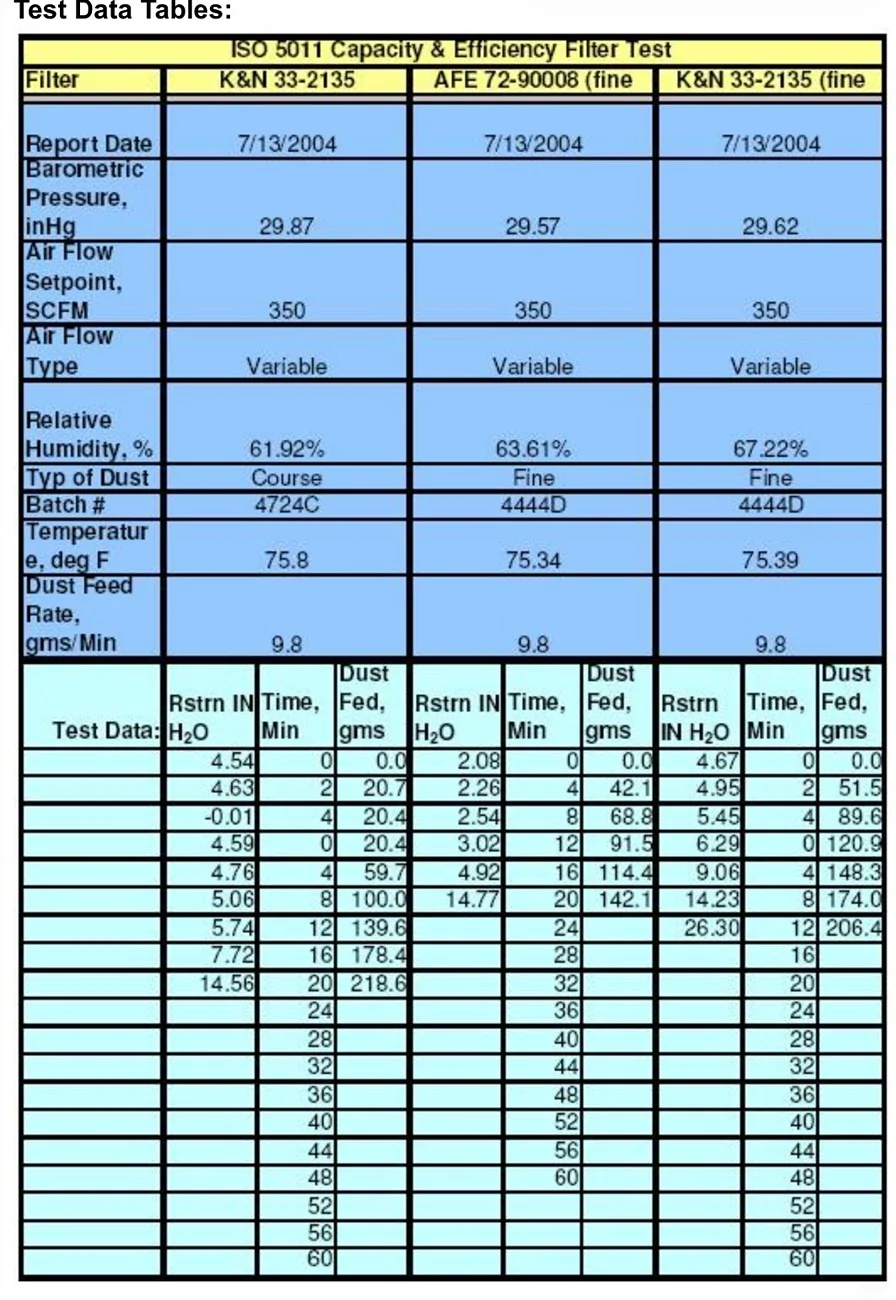
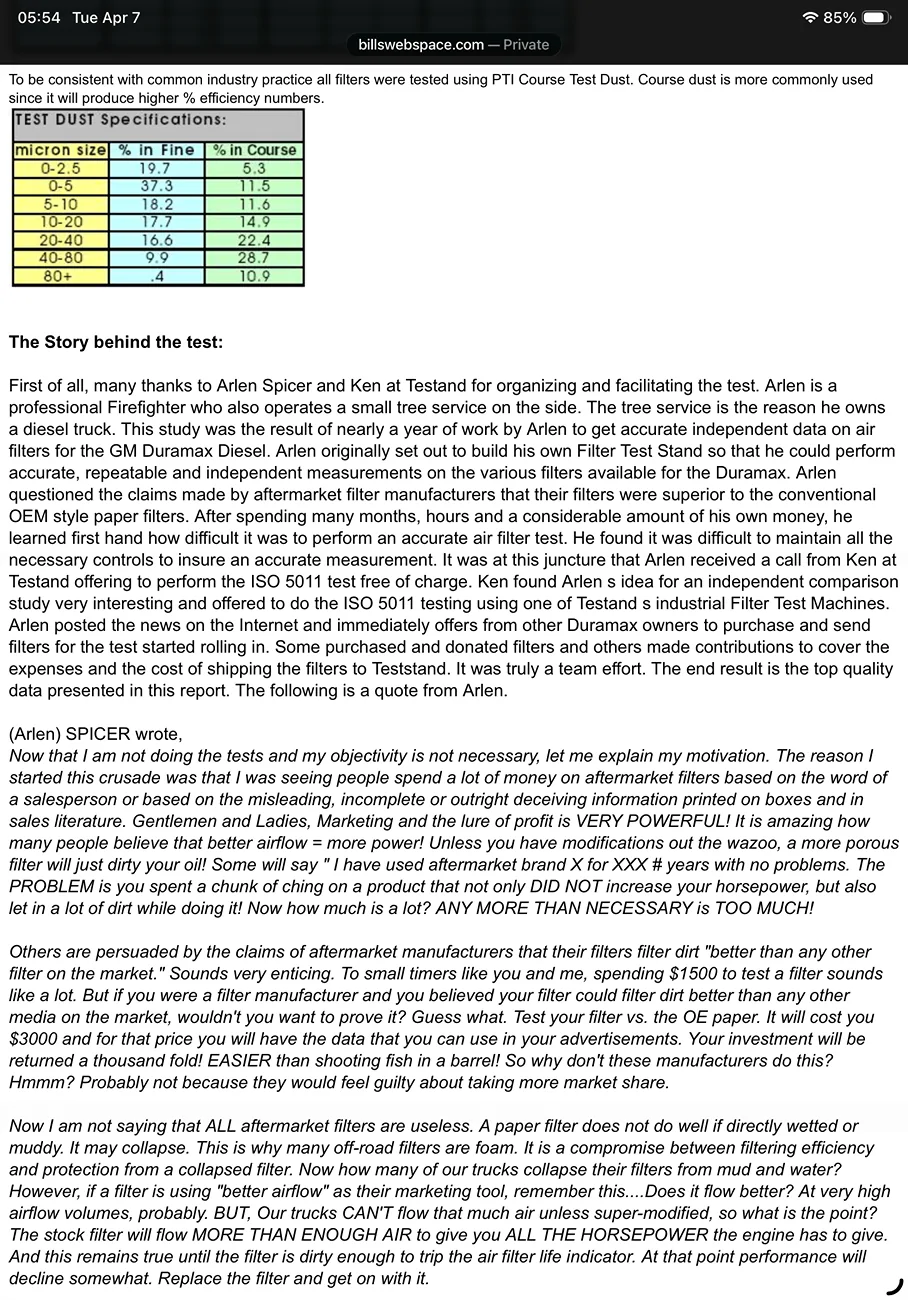
The ”cold air intake“ claims have been discussed a lot over the years. During one of those debates I tried unsuccessfully to find a diesel forum thread that described very extensive testing that measured resistance, filter efficiency, load resistance, and other filter characteristics. Today I stumbled upon the test results which had been copied into another hosted site. Since I don’t want to lose it again, and I think folks here would be interested in the data, I’ve pasted it in below.

The study was done by Arlen “Spicer” looking at Duramax options. Those turbo diesels move a lot of air. I think the data developed during these tests is useful across brands and engine types.

For those who want the quick summary: Factory air filters probably do a better job of protecting your engine. Any resistance they provide has little or no adverse impact on performance.

Jeep Wrangler JL Cold Air Intake hogwash IMG_3368


Jeep Wrangler JL Cold Air Intake hogwash IMG_3369


Jeep Wrangler JL Cold Air Intake hogwash IMG_3370


Jeep Wrangler JL Cold Air Intake hogwash IMG_3371


Jeep Wrangler JL Cold Air Intake hogwash IMG_3372


Jeep Wrangler JL Cold Air Intake hogwash IMG_3373


Jeep Wrangler JL Cold Air Intake hogwash IMG_3374


Jeep Wrangler JL Cold Air Intake hogwash IMG_3375


Jeep Wrangler JL Cold Air Intake hogwash IMG_3376


Jeep Wrangler JL Cold Air Intake hogwash IMG_3377


Jeep Wrangler JL Cold Air Intake hogwash IMG_3378


Jeep Wrangler JL Cold Air Intake hogwash IMG_3379


Jeep Wrangler JL Cold Air Intake hogwash IMG_3380
Sponsored


yokramer

Well-Known Member
Joined
Sep 8, 2022
Threads
21
Messages
30,419
Reaction score
155,421
Location
Colorado
Vehicle(s)
'23 JLR, '26 Suzuki GSX8TT, '88 10th Anny RX7
Occupation
Snark Incarnate
Its a cold air intake if it is moved to a location to bring in cold air, otherwise its something else.
 
OP
OP
Whaler27

Whaler27

Well-Known Member
First Name
Alex
Joined
Jul 1, 2020
Threads
60
Messages
2,667
Reaction score
5,337
Location
Oregon
Vehicle(s)
2019 JL, 2016 Jeep Grand Cherokee Altitude Ecodiesel, 2005 Mustang GT, 2018 Ford Raptor, 2018 BMW R1200GSA, 2020 Honda Monkeybikes (2), 1972 Honda CT-70, 1980 Honda CT-70,
Occupation
Saving the world :-)
Its a cold air intake if it is moved to a location to bring in cold air, otherwise its something else.
Yes, but the CAI kits invariably include the manufacturer’s aftermarket filter.

Anybody who flies crappy little single-engine planes with normally aspirated engines has felt the horsepower-robbing effect of rising air temperatures. Reduced air density means the engine is getting less oxygen per given volume of ingested air. Having said that, the difference in air temp/density achieved by the CAI systems is very small in vehicles moving aver 20 or 30 mph, and any air temp/density fluctuation is dwarfed by the influence of a turbo or supercharger.
 

yokramer

Well-Known Member
Joined
Sep 8, 2022
Threads
21
Messages
30,419
Reaction score
155,421
Location
Colorado
Vehicle(s)
'23 JLR, '26 Suzuki GSX8TT, '88 10th Anny RX7
Occupation
Snark Incarnate
Yes, but the CAI kits invariably include the manufacturer’s aftermarket filter.

Anybody who flies crappy little single-engine planes with normally aspirated engines has felt the horsepower-robbing effect of rising air temperatures. Reduced air density means the engine is getting less oxygen per given volume of ingested air. Having said that, the difference in air temp/density achieved by the CAI systems is very small in vehicles moving aver 20 or 30 mph, and any air temp/density fluctuation is dwarfed by the influence of a turbo or supercharger.
These days putting an intake on is pretty much useless unless you are doing a bunch more as well. The stock intakes no longer are massive restrictions like they were 20 years ago. And on top of that when you start changing full intakes and exhaust you start getting into needing to tune for the new ones.

If you want sound without anywhere from minimal improvement to actual losses install whatever intake you can afford, otherwise put in a quality filter in the stock box and dont worry about it.
 

ScottyKenneth

Active Member
Joined
Oct 24, 2025
Threads
3
Messages
37
Reaction score
17
Location
NJ
Vehicle(s)
2025 Jeep Grand Cherokee Trailhawk 4XE / 2026 Porsche 911 GT3 Touring
I usually just go get a K&N and throw it in where the stock filter is. Done! No need for extra pipes spending like $300/$400. Waste of $.
 

Sponsored

58Willys

Well-Known Member
First Name
Geoff
Joined
Jan 2, 2022
Threads
6
Messages
1,162
Reaction score
1,450
Location
Western Washington
Vehicle(s)
2018 JL Sport
Cold air intakes and less restrictive filters are two different animals. Yes, both get more air into the engine. The big question is can the PCM and accompanying sensors compensate for the added air and provide sufficient fuel to create more power? Is the exhaust system capable of handling the increased volumetric efficiency? I don’t know the answers to those questions, but they need to figured out before dumping a bunch of money on these “upgrades”.
 

Jtphoto

Well-Known Member
First Name
Jeff
Joined
Dec 10, 2017
Threads
23
Messages
3,007
Reaction score
3,499
Location
Thunder Bay ON
Vehicle(s)
2022 Rubicon Xtreme Recon Granite Crystal
The only true CAI for a Jeep is a snorkel and not all of them are built equal. Ramming more air down the tube may help intake but if the computer is not programmed to compensate (as already mentioned) does it really make much difference. My experience with Jeeps with 3.8L, JK3.6 and JL 3.6 is they don’t make any difference in performance only noise.
Realistically the factory intake over the front fender does a pretty good job of pulling in cooler air rather than hot engine compartment air.
 

kah.mun.rah

Well-Known Member
First Name
Merenkahre Jr.
Joined
May 16, 2022
Threads
39
Messages
4,546
Reaction score
9,517
Location
Duat
Vehicle(s)
2021 Wrangler Unlimited Rubicon
I get a lot worse MPG with my CAI. With the awesome sound it makes I constantly have the skinny pedal to the floor.
 

Jtphoto

Well-Known Member
First Name
Jeff
Joined
Dec 10, 2017
Threads
23
Messages
3,007
Reaction score
3,499
Location
Thunder Bay ON
Vehicle(s)
2022 Rubicon Xtreme Recon Granite Crystal
At one point I had a tractor type bowl pre filter on my snorkel. It was OK on the trail and city speeds but on the highway it was worse on fuel.
 

croppz

Well-Known Member
First Name
Zach
Joined
Apr 6, 2026
Threads
8
Messages
338
Reaction score
551
Location
North Carolina
Vehicle(s)
2021 JLU Rubicon 2.0T
Engineers have made intakes on modern cars so efficient that installing an aftermarket one is just purely for sound anymore. Especially on turbocharged cars. Unless you’re running a larger turbocharger needing more airflow, there’s no real benefit to throwing one on IMO
 

Sponsored

OP
OP
Whaler27

Whaler27

Well-Known Member
First Name
Alex
Joined
Jul 1, 2020
Threads
60
Messages
2,667
Reaction score
5,337
Location
Oregon
Vehicle(s)
2019 JL, 2016 Jeep Grand Cherokee Altitude Ecodiesel, 2005 Mustang GT, 2018 Ford Raptor, 2018 BMW R1200GSA, 2020 Honda Monkeybikes (2), 1972 Honda CT-70, 1980 Honda CT-70,
Occupation
Saving the world :-)
I usually just go get a K&N and throw it in where the stock filter is. Done! No need for extra pipes spending like $300/$400. Waste of $.
That achieves no measurable performance benefit, but it will introduce more contaminates into your engine.
 

ScottyKenneth

Active Member
Joined
Oct 24, 2025
Threads
3
Messages
37
Reaction score
17
Location
NJ
Vehicle(s)
2025 Jeep Grand Cherokee Trailhawk 4XE / 2026 Porsche 911 GT3 Touring
Yea you are right prob. I will just leave it as is.
 
OP
OP
Whaler27

Whaler27

Well-Known Member
First Name
Alex
Joined
Jul 1, 2020
Threads
60
Messages
2,667
Reaction score
5,337
Location
Oregon
Vehicle(s)
2019 JL, 2016 Jeep Grand Cherokee Altitude Ecodiesel, 2005 Mustang GT, 2018 Ford Raptor, 2018 BMW R1200GSA, 2020 Honda Monkeybikes (2), 1972 Honda CT-70, 1980 Honda CT-70,
Occupation
Saving the world :-)
Engineers have made intakes on modern cars so efficient that installing an aftermarket one is just purely for sound anymore. Especially on turbocharged cars. Unless you’re running a larger turbocharger needing more airflow, there’s no real benefit to throwing one on IMO
The Spicer tests attached here were done over 20 years ago.

In the turbo diesel discussions one of the engineers did the math showing approximately when the factory filter inability to flow more air would adversely affect performance. If memory serves, it was somewhere in the neighborhood of 700 horsepower, and that was back in the days when factory engines were still in the 200s and guys were doing all kinds of tunes and other mods to get over 400 hp with commensurate gains in torque. My stock 2024 F350 diesel makes 500 horsepower and 1200 foot-pounds of torque. Guys are are still spending big money to install aftermarket filters and cold air kits (which is especially silly on a turbo diesel that runs that level of boost.)
 
OP
OP
Whaler27

Whaler27

Well-Known Member
First Name
Alex
Joined
Jul 1, 2020
Threads
60
Messages
2,667
Reaction score
5,337
Location
Oregon
Vehicle(s)
2019 JL, 2016 Jeep Grand Cherokee Altitude Ecodiesel, 2005 Mustang GT, 2018 Ford Raptor, 2018 BMW R1200GSA, 2020 Honda Monkeybikes (2), 1972 Honda CT-70, 1980 Honda CT-70,
Occupation
Saving the world :-)
These days putting an intake on is pretty much useless unless you are doing a bunch more as well. The stock intakes no longer are massive restrictions like they were 20 years ago. And on top of that when you start changing full intakes and exhaust you start getting into needing to tune for the new ones.

If you want sound without anywhere from minimal improvement to actual losses install whatever intake you can afford, otherwise put in a quality filter in the stock box and dont worry about it.
With the exception of the Hemi, I doubt you can do enough to a modern Wrangler engine to create airflow demand the stock filter won’t allow.

The research detailed in this thread is more than twenty years old. I doubt OEM filters have been a performance-limiter within 25% of OEM horsepower in more than 40 years.
 
Last edited:

Traveller128

Well-Known Member
First Name
Robert
Joined
Dec 18, 2021
Threads
2
Messages
929
Reaction score
1,617
Location
Oasis Idaho
Vehicle(s)
2022 Willys 2 Door 6 speed
Occupation
Volvo Master Technician
On the 3.6, there is a difference in power, you can see it on a dyno graph or when tuning. But, it's in the upper RPM range where the stock filter starts to restrict a bit. It's 8-12 HP, but it's there.

Normal driving, we saw a little bump in economy with ours. I'm blaming the better air inlet shape to the throttle body not using an accordion pleated area at the turn, but instead a tube tapering to the diameter of the throttle body as it turns with no pleats. This is an improvement in flow quality, works really well on the V8 Mopars also, people figured that out back in 2008/9.

Filter area with the Mishimoto is over 40% larger than the stock filter. Ours has a dry element that's washable. No gauze, it's a multi-layer synthetic that filters a lot better than oiled gauze but is less restrictive because of the area increase. Mishimoto uses the factory lower airbox, so air comes in the same as stock.

Having said that, I do not feel that all of the air filter arrangements out there will have the same effect. Many are for looks. Oiled gauze is for street cars, dusty conditions will let small particulate through. I have a long history of working with gauze/oiled since the early 80's.

You can easily bolt on an intake without doing a tune. We're talking a small percentage of improvement here, 10 HP more at the wheels is under 5%, which a stock ECM can compensate for. Will a tune improve gains? A little. You'll get a volumetric efficiency bump up high that a tuner can take advantage of. But a tune will improve it everywhere from bottom to top and regain lost power the OEM tune is moderating for torque limiting. The key is, you need an intake that drops inlet temps a bit or doesn't cause an increase in them over stock. If the temps are higher than stock, it will mitigate the flow gains.

With a tune, you'll see it optimized for the install, including exhaust and intake if you modified them.
Sponsored


Top