

ChaseWright
New Member
- Thread starter
- #1
The Importance of Seam Allowance in Sewing
When it comes to sewing, there's a little secret that many beginners might not know about: the importance of seam allowance. You see, sewing isn't just about putting pieces of fabric together; it's also about how you put them together. Seam allowance is a basic concept in sewing, and in this article, we'll explore what it is and why it's so important for your sewing projects.
☞☞☞ See Also:
 Top Sewing Machines and Crafts Supplies CraftsSelection.com
So, what exactly is seam allowance?

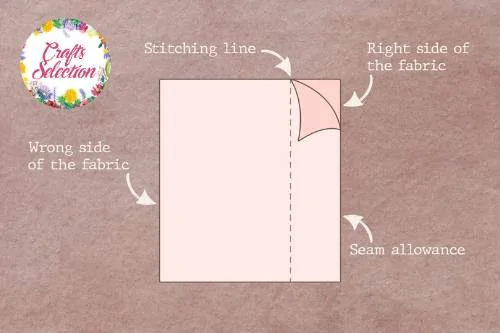
To put it simply, it is the extra fabric that hangs over the stitching line. It is the area between the stitching and the fabric's edge. Consider it a safety margin that guarantees your seams remain sturdy and your item comes out just as intended.
You could be asking yourself, "Why bother with seam allowance? Why can't I use regular sewing instead? Yes, you can, but there are several good reasons why seam allowances should be your sewing allies.
With this exceptional information on seam allowances, you mustn't miss the extra treat. Yes, Crafts Selection brings you sewing product buying guides to make sewing even better. These expert handbooks will guide you through your sewing endeavors.
Room for Mistakes
Sewing has a learning curve, especially for newcomers. You might sometimes stitch exactly where you intended or straight. The seam allowance allows for these little flaws. It is a forgiving cushion that lets you make changes without compromising your project.
Strength and Durability
Consider making a lovely garment that you want to last a long time. Your seams would be right at the edge of the cloth without seam allowance, making them vulnerable to fraying and tearing. The additional fabric layers added by the seam allowance increase the strength and durability of your seams.
Read The Article:
 CraftsSelection.com Selection of Best Craft and Sewing Products
Tailoring Possibilities
You can tweak or modify your outfit from time to time. You can let out or take in seams as necessary with seam allowance. It serves as a safety net for your experimental wardrobe choices.
Professional Finish
Seam allowance is the answer if you've ever wondered how to give your sewing projects that polished, expert appearance. It enables you to produce crisp, expert-looking seams, cleanly finish edges, and tuck in raw fabric edges.
Pattern Adjustments
It's common practice to incorporate seam allowance when using sewing patterns. It aids in correct pattern following and guarantees that your completed parts fit properly. Your end creation can be too little or too big without it.
So, how much seam allowance should you use?
That depends on your project and preferences. The typical seam allowance is between 1/4 inch (or 0.6 cm) and 5/8 inch (or 1.6 cm). Thinner fabrics need less room, whilst thicker materials need more.
Add the desired seam allowance around the pattern pieces when cutting your cloth. To ensure you sew in the proper direction, draw your stitching lines with fabric markers or sewing chalk.
You have to check out the best sewing tools that are making rounds in the sewing world. Visit
 CraftsSelection.com and find out more about these sewing tools and supplies. Add them to your buying list because you will need them for your sewing projects.
Conclusion
Although seam allowance can seem like a minor aspect of sewing, it greatly impacts the durability and quality of your finished products. It adds strength, gives tolerance for error, and permits changes. Seam allowance is your sewing buddy, helping you stitch your way to success, one project at a time, so bear that in mind the next time you sit down at your sewing machine.
When it comes to sewing, there's a little secret that many beginners might not know about: the importance of seam allowance. You see, sewing isn't just about putting pieces of fabric together; it's also about how you put them together. Seam allowance is a basic concept in sewing, and in this article, we'll explore what it is and why it's so important for your sewing projects.
☞☞☞ See Also:

So, what exactly is seam allowance?
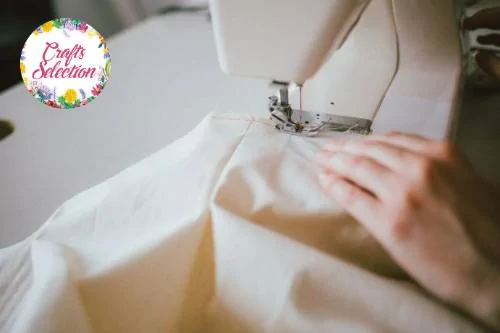
To put it simply, it is the extra fabric that hangs over the stitching line. It is the area between the stitching and the fabric's edge. Consider it a safety margin that guarantees your seams remain sturdy and your item comes out just as intended.
You could be asking yourself, "Why bother with seam allowance? Why can't I use regular sewing instead? Yes, you can, but there are several good reasons why seam allowances should be your sewing allies.
With this exceptional information on seam allowances, you mustn't miss the extra treat. Yes, Crafts Selection brings you sewing product buying guides to make sewing even better. These expert handbooks will guide you through your sewing endeavors.
Room for Mistakes
Sewing has a learning curve, especially for newcomers. You might sometimes stitch exactly where you intended or straight. The seam allowance allows for these little flaws. It is a forgiving cushion that lets you make changes without compromising your project.
Strength and Durability
Consider making a lovely garment that you want to last a long time. Your seams would be right at the edge of the cloth without seam allowance, making them vulnerable to fraying and tearing. The additional fabric layers added by the seam allowance increase the strength and durability of your seams.
Read The Article:

Tailoring Possibilities
You can tweak or modify your outfit from time to time. You can let out or take in seams as necessary with seam allowance. It serves as a safety net for your experimental wardrobe choices.
Professional Finish
Seam allowance is the answer if you've ever wondered how to give your sewing projects that polished, expert appearance. It enables you to produce crisp, expert-looking seams, cleanly finish edges, and tuck in raw fabric edges.
Pattern Adjustments
It's common practice to incorporate seam allowance when using sewing patterns. It aids in correct pattern following and guarantees that your completed parts fit properly. Your end creation can be too little or too big without it.
So, how much seam allowance should you use?
That depends on your project and preferences. The typical seam allowance is between 1/4 inch (or 0.6 cm) and 5/8 inch (or 1.6 cm). Thinner fabrics need less room, whilst thicker materials need more.
Add the desired seam allowance around the pattern pieces when cutting your cloth. To ensure you sew in the proper direction, draw your stitching lines with fabric markers or sewing chalk.
You have to check out the best sewing tools that are making rounds in the sewing world. Visit

Conclusion
Although seam allowance can seem like a minor aspect of sewing, it greatly impacts the durability and quality of your finished products. It adds strength, gives tolerance for error, and permits changes. Seam allowance is your sewing buddy, helping you stitch your way to success, one project at a time, so bear that in mind the next time you sit down at your sewing machine.
Sponsored
Last edited: