flanders
Well-Known Member
- Thread starter
- #1
This question has been killing me. I've tried googling it a bunch, and I can only find a few threads talking about this and I don't understand their conclusions.
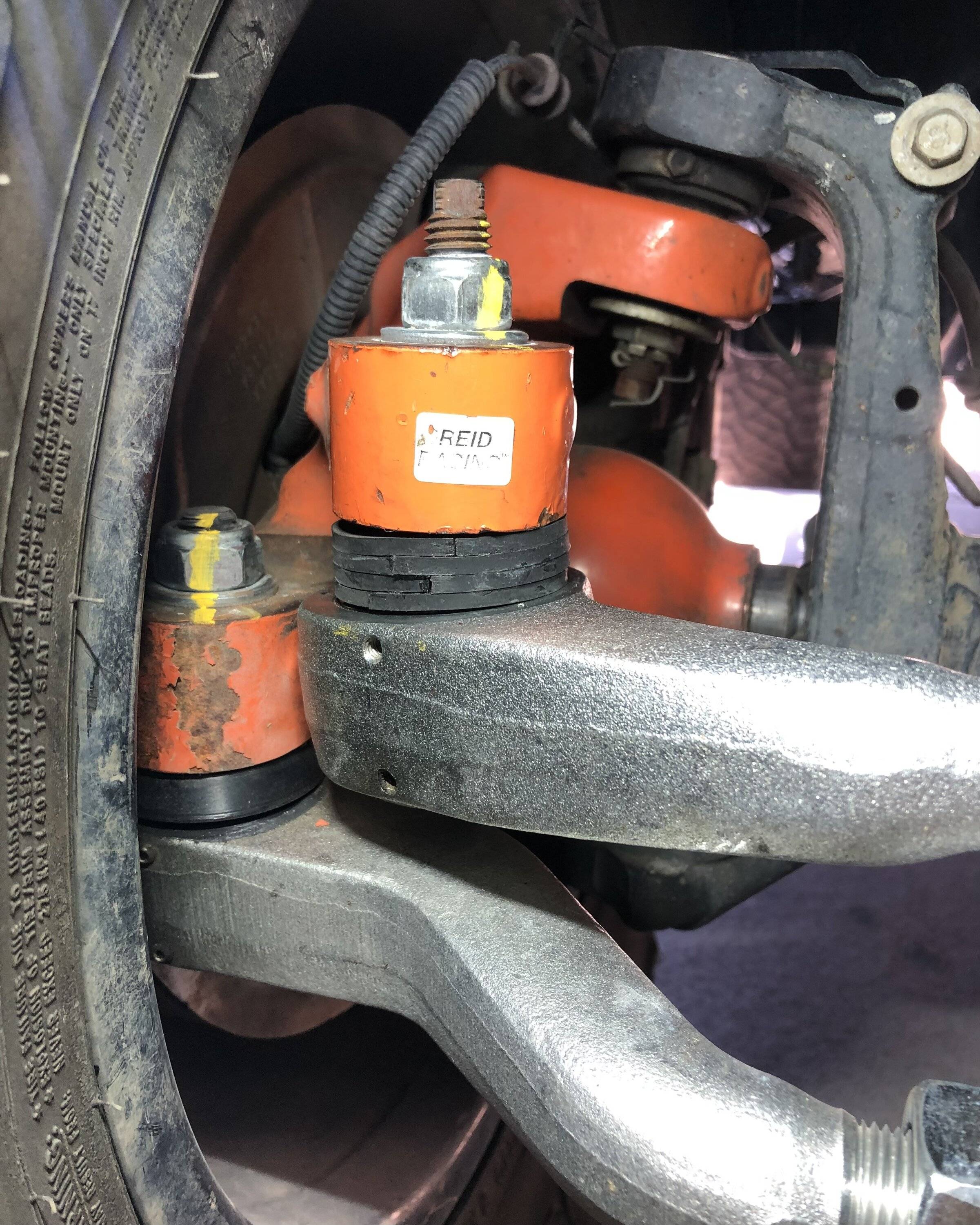
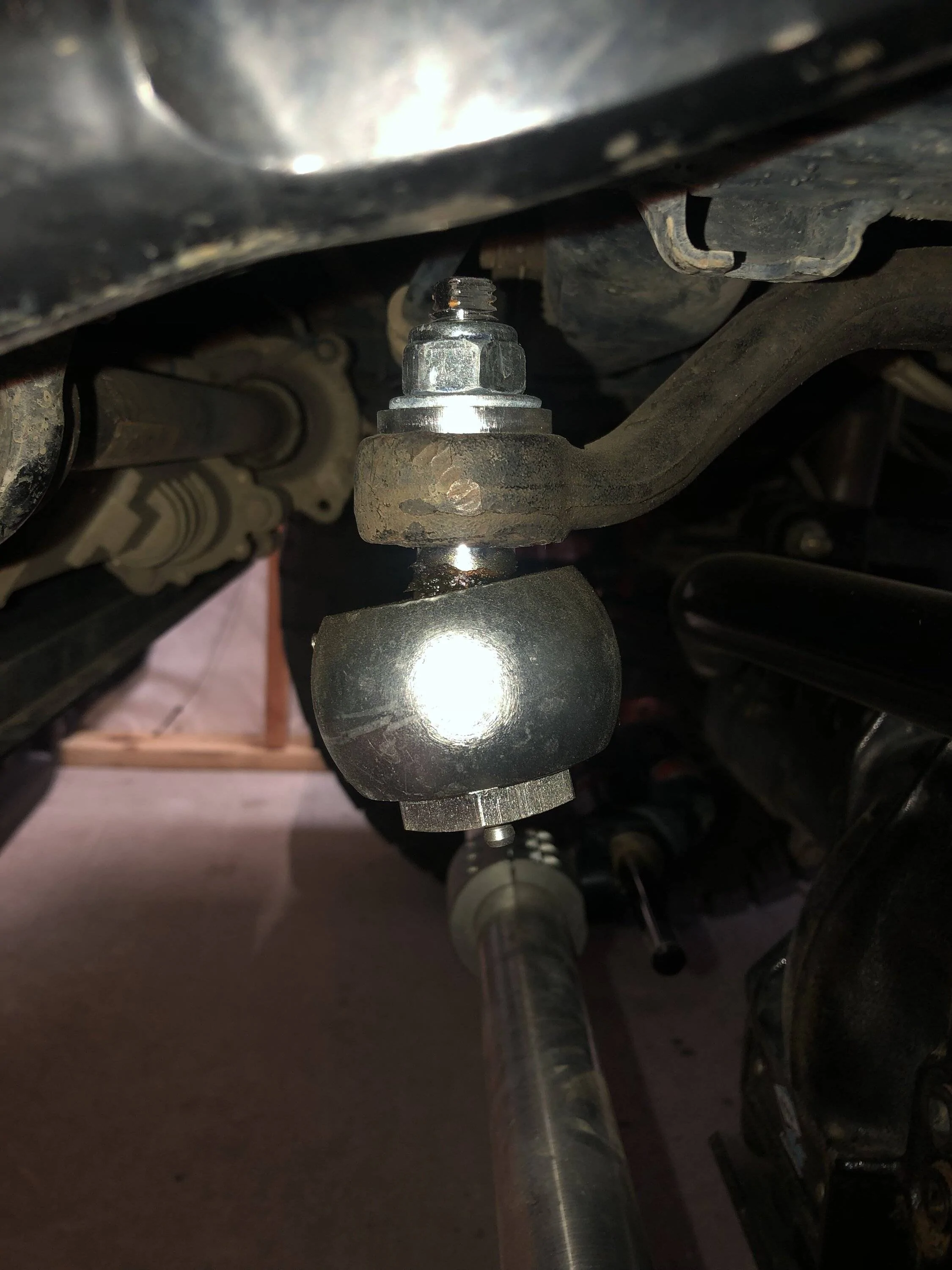
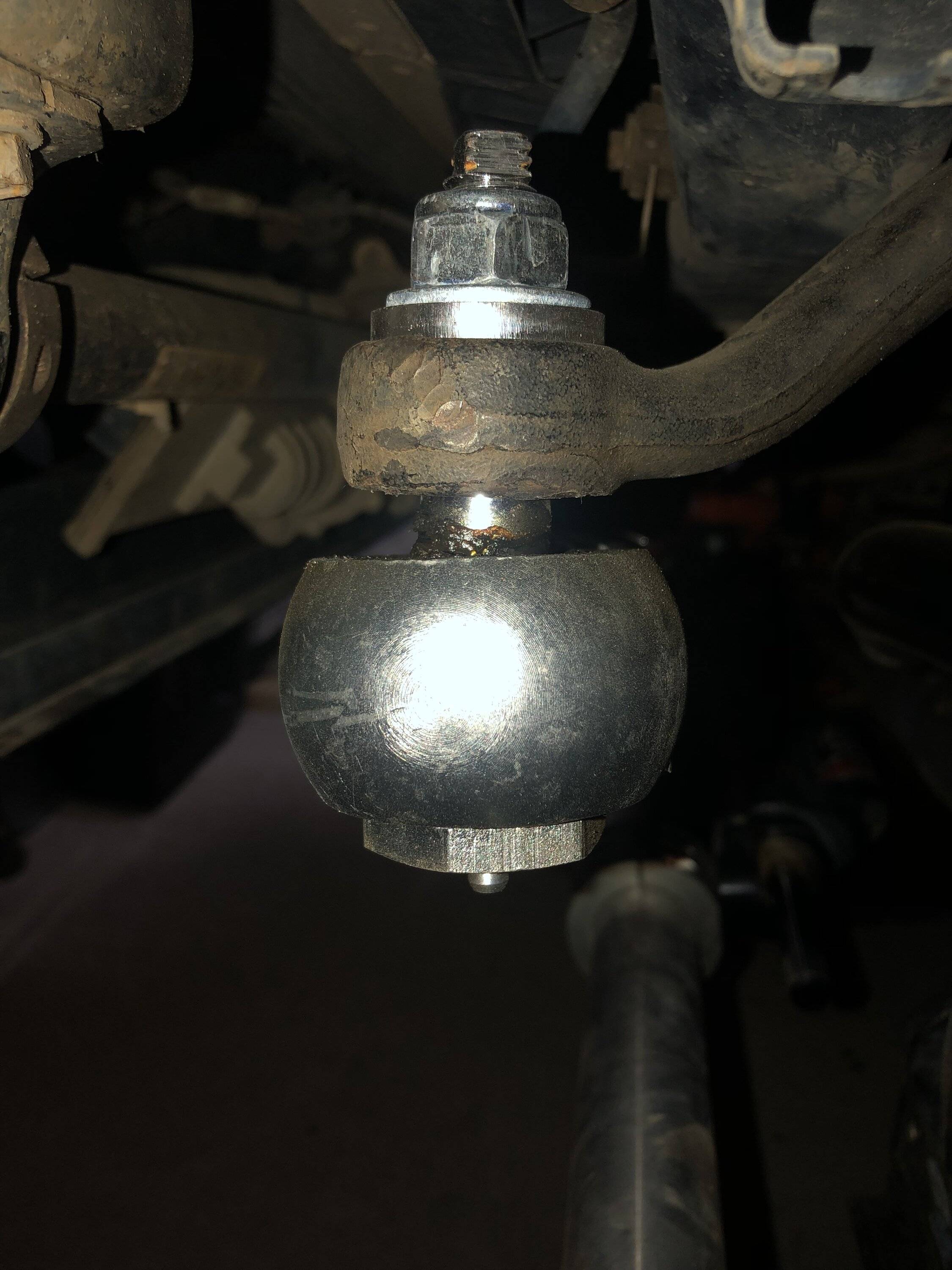
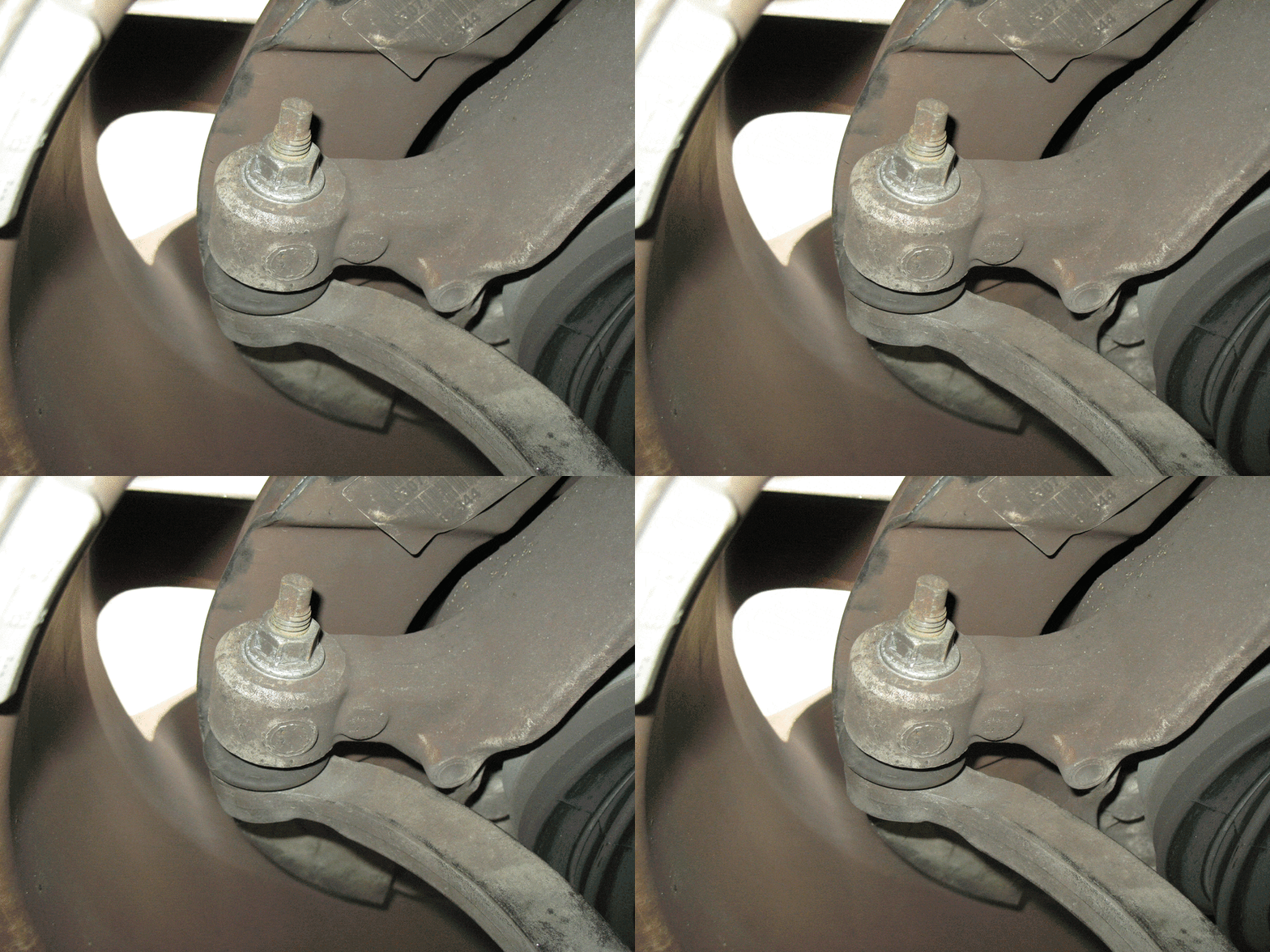
When I tighten the lock nuts on my tie rod, I'm very careful to keep as much slop in the bar as I can. That's to say I try to keep the ends parallel so I can rotate the bar up and down through the full range of the joints. This is all well and good.

The weird thing is, I'd expect the amount of up/down slop in the tie rod to remain constant no matter where the steering wheel is. I would think this because I imagine the tie rod holes in the knuckle are parallel to the ball joint axis. But as I slowly turn the tires, the amount of play in the tie rod slowly decreases. Right before I get to full lock all the slop is gone and the tie rod has to bind slightly to turn the tires the rest of the way. This happens turning right and left.
Has anyone noticed this, or is there something weird with my knuckles? Are the knuckles not in the same plane or something?
Thanks in advance for your help.
When I tighten the lock nuts on my tie rod, I'm very careful to keep as much slop in the bar as I can. That's to say I try to keep the ends parallel so I can rotate the bar up and down through the full range of the joints. This is all well and good.
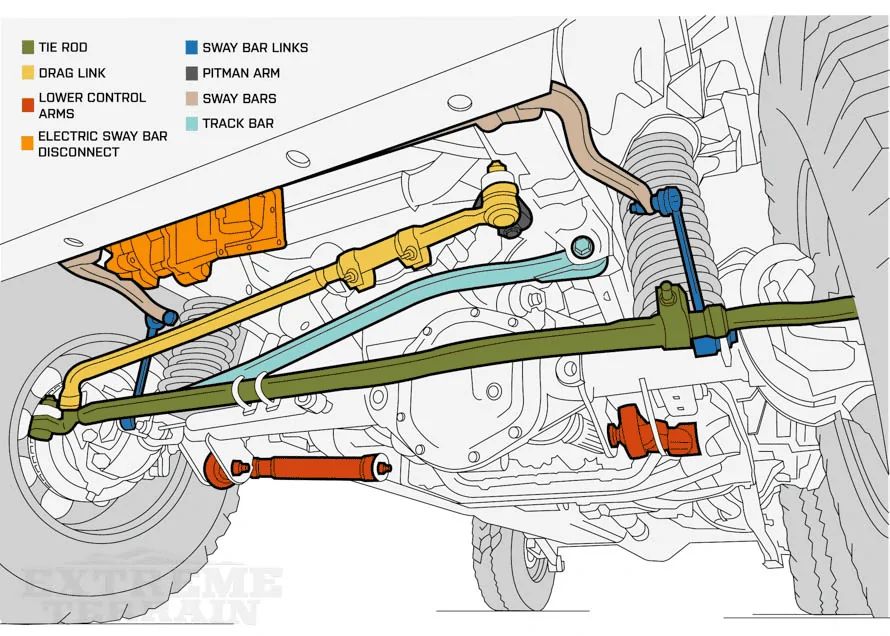
The weird thing is, I'd expect the amount of up/down slop in the tie rod to remain constant no matter where the steering wheel is. I would think this because I imagine the tie rod holes in the knuckle are parallel to the ball joint axis. But as I slowly turn the tires, the amount of play in the tie rod slowly decreases. Right before I get to full lock all the slop is gone and the tie rod has to bind slightly to turn the tires the rest of the way. This happens turning right and left.
Has anyone noticed this, or is there something weird with my knuckles? Are the knuckles not in the same plane or something?
Thanks in advance for your help.
Sponsored

 It has the same limits when rotating the tie rod, but it's a little easier to turn the rod since the stabilizer isn't changing length.