o2zoom
Active Member
- First Name
- Jim
- Joined
- Mar 27, 2024
- Threads
- 9
- Messages
- 28
- Reaction score
- 23
- Location
- Oceanside, CA
- Vehicle(s)
- Jeep Rubicon JLU, Jeep TJ
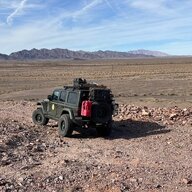
Everyone must assess their own concerns and possible needs, resources and risks while on the trail. Since I do a lot long distance solo trips gasoline is one of my concerns. That risk is simply taken care of by having reserve supplies on board. Another risk factor are tires, I carry a full size spare, have on board air, a high lift jack along with a plugging kit. I have used all of these resources on many occasions. I carry recovery gear, only use one time but got me out of difficulty in short order. I carry a lot of other items I think might come in handy in the event of a problem, basic tool set, some bolts, nuts, lithium battery jumper, folding solar panel, etc.. Excess baggage, maybe but my comfort level is elevated knowing I have what I think I might need. There are catastrophic failures that can’t be rectified on the trail. Complete engine failure, transmission failure or maybe a transfer case would pretty much be an end game. However I feel a punctured tire is a much more likely event than an engine oil pump going south. My point on being well prepared is planning for those things that are “most likely” to occur. Incidentals to take care of a leaking hose, duct tape, extra oil, trans fluid, brake fluid might never be used but there are no substitutes when you need something if you’re 100 mile from the nearest source of anything. If you look at the picture I posted running out of gas or not being able to fix a flat tire would result in an unwelcome long walk. Did I mention having an adequate supply of water?……To each his own when it comes to taking precautions when venturing out.
Sponsored