Sponsored

Manual Transmission - Issues shifting into 1st & Reverse (Compilation thread)

Toycrusher

Well-Known Member
Joined
Oct 2, 2019
Threads
19
Messages
1,511
Reaction score
2,258
Location
Texas
Vehicle(s)
JLUR
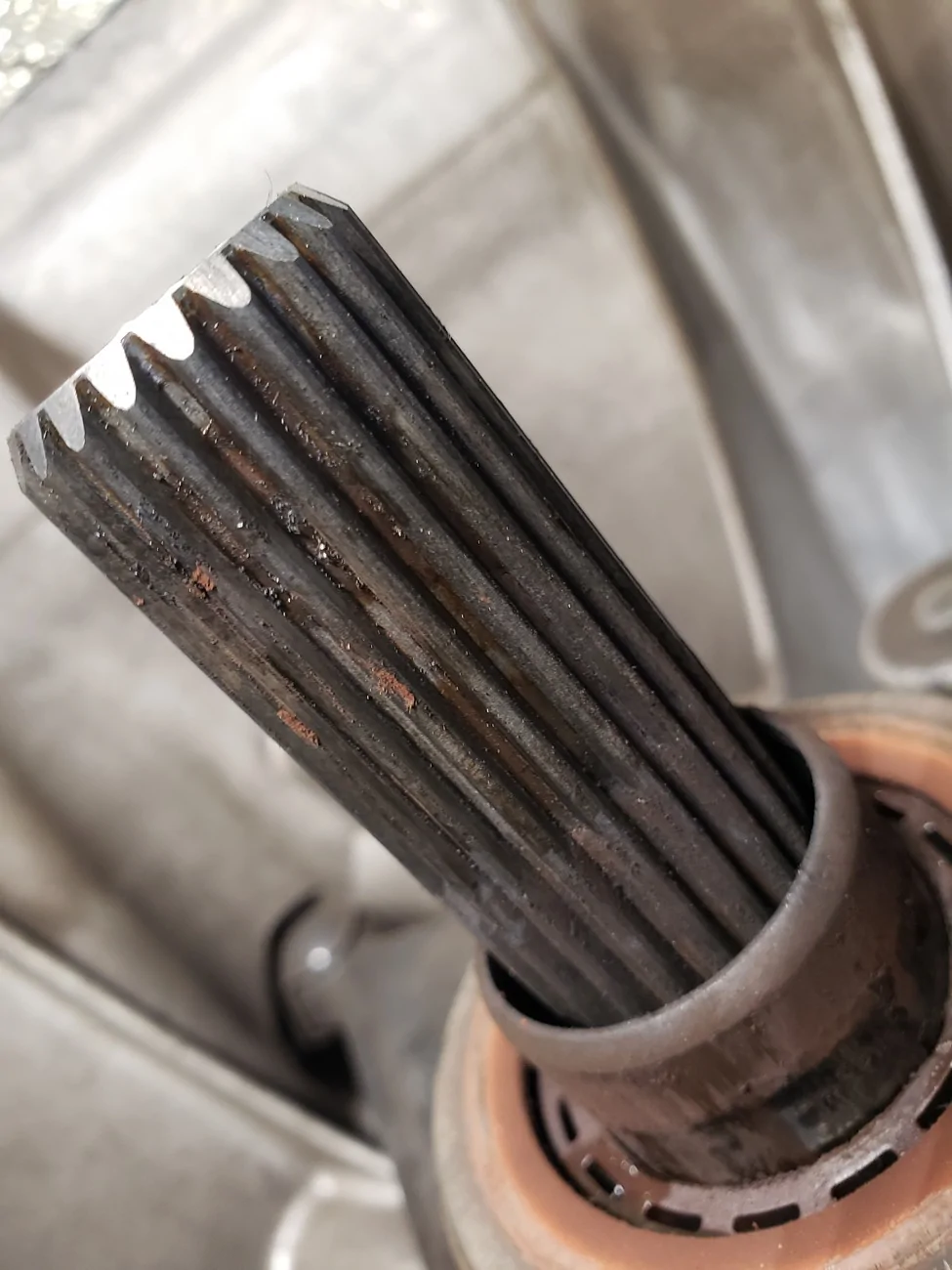
I got wondering about that output shaft on the factory unit myself. If maybe by some chance during the machining process it got grooved up enough that with the right combination of dust and grease and the elements, it gets all sticky and doesn’t allow the clutch to engage and disengage like it should. Then in turn, puts additional strain on the factory hydraulics because they’re trying to push something that doesn’t want to move and blows them out as well. I wonder if anyone who has had theirs apart has ever given any thought to polishing that shaft?
I've had mine down maybe... six times? I've run it with various greases and also with dry lube. It never sticks. Also, if the hydraulics were giving up and unable to hold the pressure plate open, then tricks like sliding the shifter into 3rd before reaching for 1st would have no benefit.

Here's some shots of different times I had it down
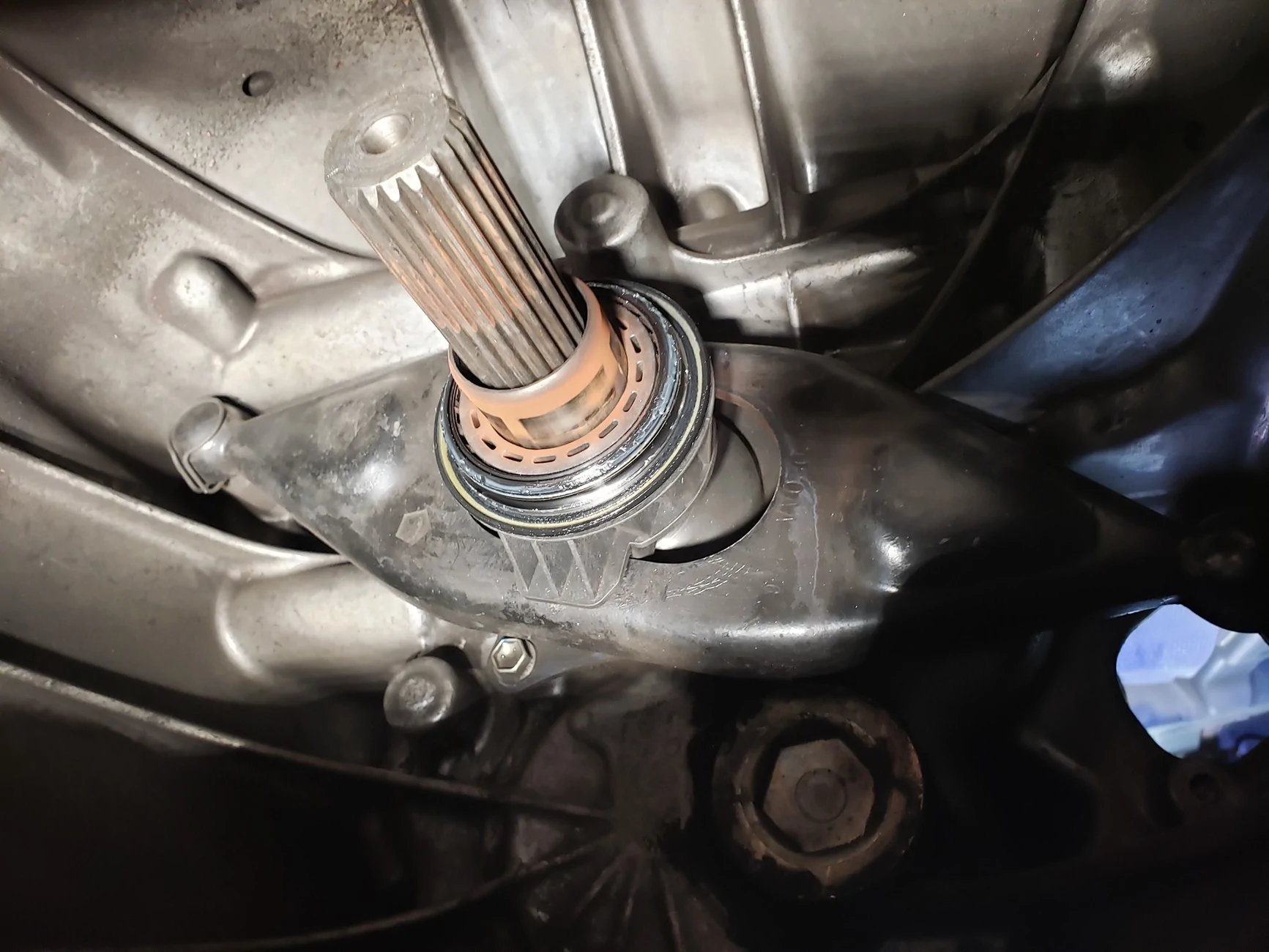

Jeep Wrangler JL Manual Transmission - Issues shifting into 1st & Reverse (Compilation thread) 2021-10-08 11.47.00
Jeep Wrangler JL Manual Transmission - Issues shifting into 1st & Reverse (Compilation thread) 2023-09-24 08.35.54
Jeep Wrangler JL Manual Transmission - Issues shifting into 1st & Reverse (Compilation thread) 2020-04-06 15.00.40
Jeep Wrangler JL Manual Transmission - Issues shifting into 1st & Reverse (Compilation thread) 2021-03-07 13.50.37
Sponsored


RubiSc0tt

Well-Known Member
First Name
Scott
Joined
Jun 12, 2018
Threads
64
Messages
1,747
Reaction score
2,378
Location
Upstate NY
Vehicle(s)
2019 JLUR in Punk'n Orange
Build Thread
Link
Occupation
Turn Wrenches/ Write code

Reflektr

Well-Known Member
First Name
Travis
Joined
Aug 20, 2025
Threads
7
Messages
237
Reaction score
350
Location
Illinois
Vehicle(s)
2025 JLU Willys
Occupation
Equipment mechanic
I've had mine down maybe... six times? I've run it with various greases and also with dry lube. It never sticks. Also, if the hydraulics were giving up and unable to hold the pressure plate open, then tricks like sliding the shifter into 3rd before reaching for 1st would have no benefit.

Here's some shots of different times I had it down
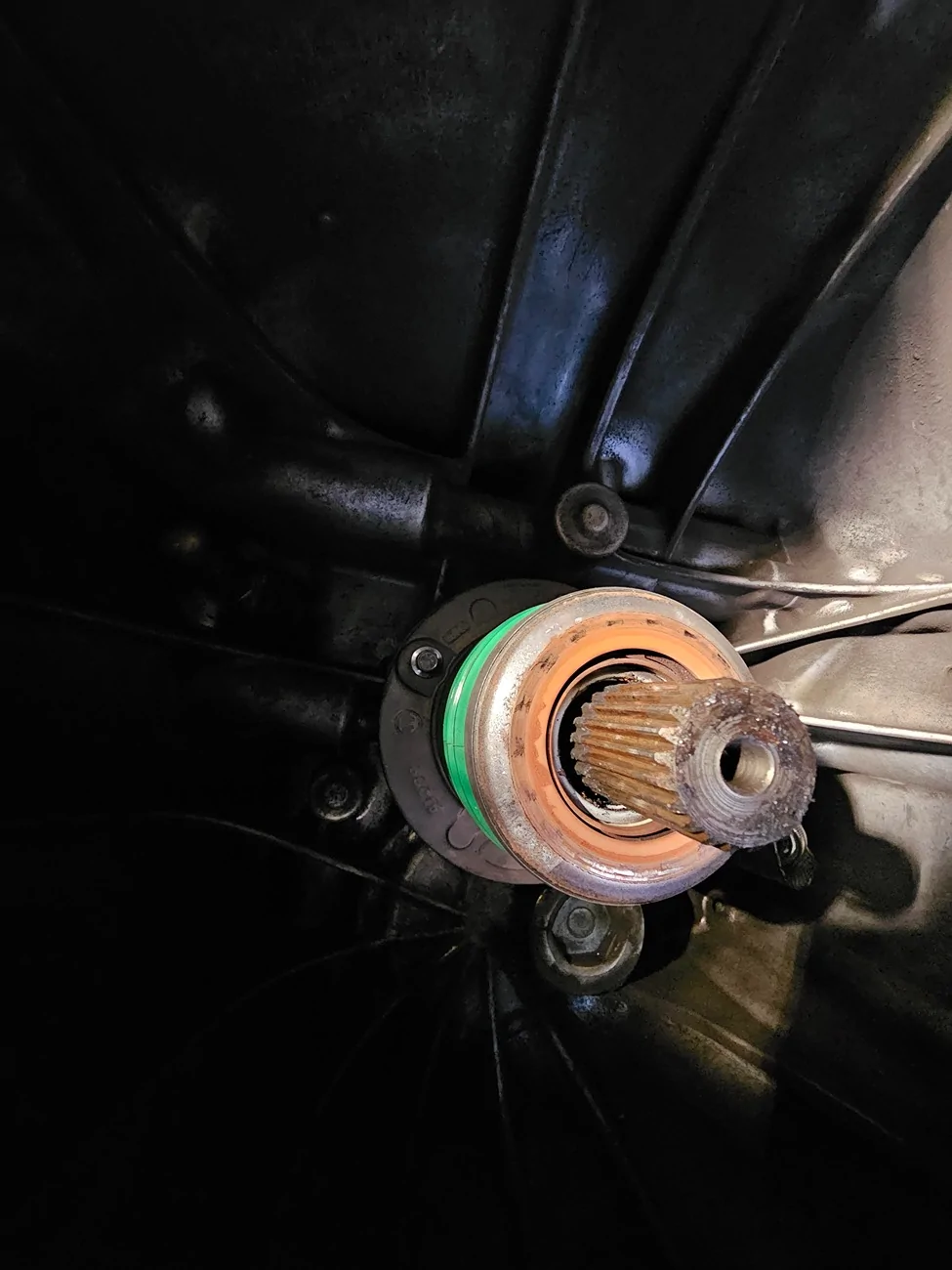

2021-10-08 11.47.00.webp
2023-09-24 08.35.54.webp
2020-04-06 15.00.40.webp
2021-03-07 13.50.37.webp
Wow, 6 times? Holy cow. My stock clutch hasn’t locked me out yet, but some of the tricks like rocking the shifter, blipping the throttle, slow “double-clutching” in the lower gears have made shifting less notchy. It’s far too inconsistent. And as a mechanic, I’ve done all but take the clutch apart so I can look at it, so I appreciate the pictures.
 

roaniecowpony

Well-Known Member
Joined
Dec 4, 2018
Threads
194
Messages
12,923
Reaction score
20,455
Location
SoCal
Vehicle(s)
2018 JLUR, 14 GMC 1500 CC All TERRAIN
Occupation
Retired Engineer
I've had mine down maybe... six times? I've run it with various greases and also with dry lube. It never sticks. Also, if the hydraulics were giving up and unable to hold the pressure plate open, then tricks like sliding the shifter into 3rd before reaching for 1st would have no benefit.

Here's some shots of different times I had it down
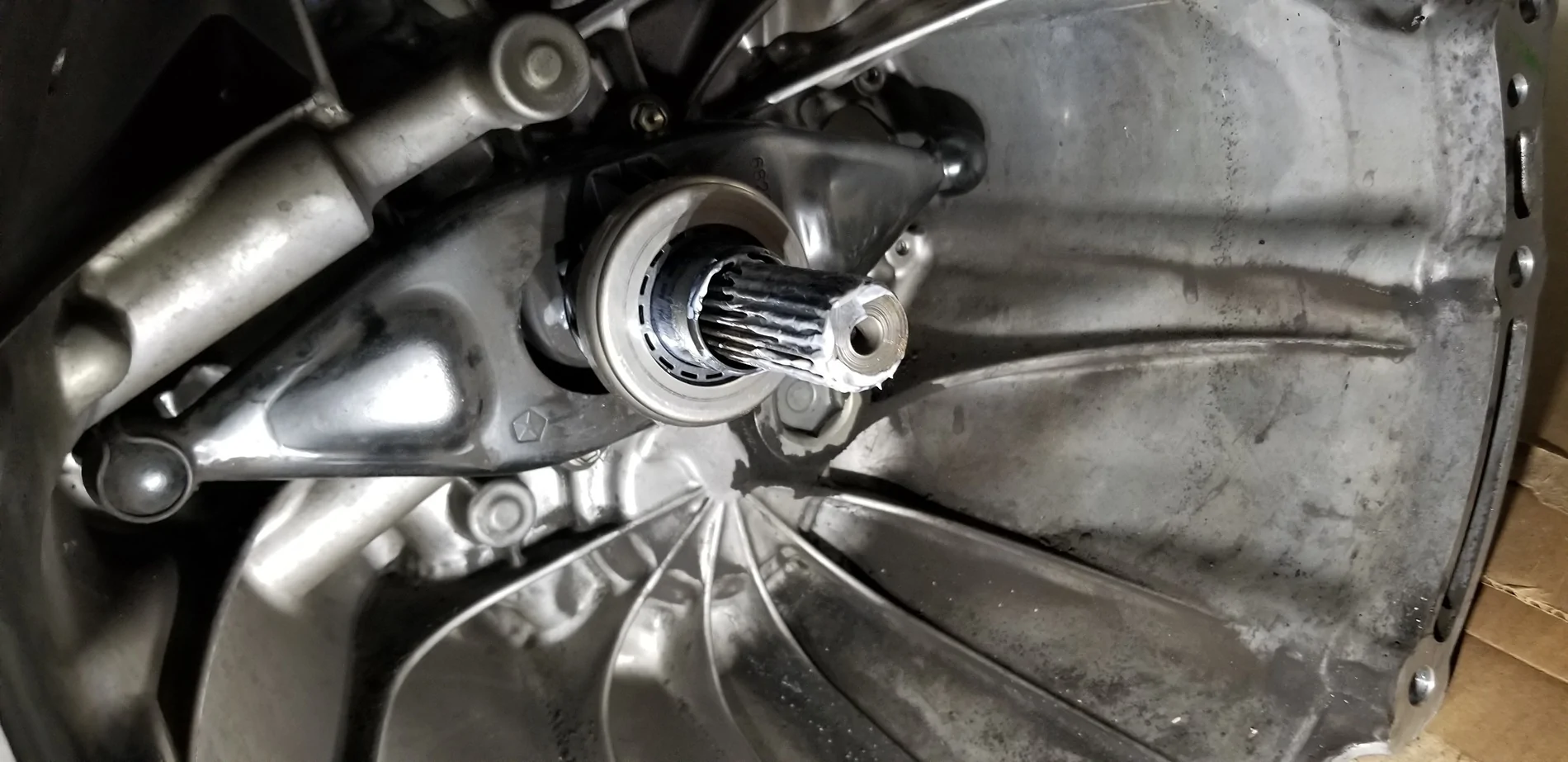

2021-10-08 11.47.00.webp
2023-09-24 08.35.54.webp
2020-04-06 15.00.40.webp
2021-03-07 13.50.37.webp
With all of your experience, do you have any idea of the cause?

My suspicions run mainly to the extra force of the aftermarket pressure plate causing extra load beyond what the OEM actuation system can handle. I also think the plastic throwout bearing bore on the snout/bearing retainer is a poor choice for friction when it heats up.

Any ideas you have would be appreciated.
 

Sponsored

Toycrusher

Well-Known Member
Joined
Oct 2, 2019
Threads
19
Messages
1,511
Reaction score
2,258
Location
Texas
Vehicle(s)
JLUR
I am convinced that the input shaft of the transmission rotates TOO freely. A more typical transmission has a pilot bearing or bushing supporting the motor end of the input shaft. All bearings have a certain amount of drag on them. Normally, at idle, when you press in the clutch (with transmission in neutral), the clutch disc is "released" from the rotation of the motor. The drag of the input shaft and counter shaft support bearings slow down the speed of the clutch disc, allowing the counter shaft speed to drop to a point where the synchros can force it to a complete stop, allowing you to select first or second gear.

For efficiency, I believe removed the pilot bearing/bushing and also engineered the transmission with exceptionally low drag support bearings. When you convert to a larger diameter single disc clutch, it carries additional centrifugal force (and some additional mass) meaning it wants to keep spinning after you release the pressure plate pressure.

Every time you release the clutch and the pressure plate clamps down on the disc, there is a microscopic bond where the flywheel and pressure plate "dig into" the friction material of the disc. Due to the low drag design of the bearings in the transmission (the conclusion I jumped to for the record), it's easier for the disc to keep spinning at engine speed than it is for it to break that microscopic surface bond. With the disc spinning at engine rpm, the synchros cannot match shaft speeds and therefore you cannot force the transmission into 1st or 2nd gear.

If you blip the throttle hard, that "yanks" the bond free from the disc. Similarly, if you run the shifter into 3rd or 4th gear, the speed differential is not as great and the synchros have more leverage to force the clutch disc to break those microscopic bonds. Once the bond is broken, the disc and shaft speed drops and the 1st/2nd gear synchros can do their job, match shaft speed, and let you slot the shifter into gear.

Am I a genius?

No

Am I right in my conclusions?

Maybe
 

basemodel

Member
First Name
Ethan
Joined
May 1, 2026
Threads
0
Messages
7
Reaction score
4
Location
Wisconsin
Vehicle(s)
2021 Wrangler Sport, manual everything
Does anyone have any logical reason why the input shaft doesn’t have a support snout that would mate to the crankshaft/flywheel? I have to imagine there’s some sort of misalignment going on as well. As far as I’ve seen online and my experience, it seems that the factory discs fit loosely on the input shaft, allowing them to not bind up when there is slight misalignment.

I just replaced my stock clutch with a McLeod (the hybrid ceramic/organic). It had an internal throw out bearing. Fingers cross that it works better than the stock clutch that was slipping and clattering.
 

RubiSc0tt

Well-Known Member
First Name
Scott
Joined
Jun 12, 2018
Threads
64
Messages
1,747
Reaction score
2,378
Location
Upstate NY
Vehicle(s)
2019 JLUR in Punk'n Orange
Build Thread
Link
Occupation
Turn Wrenches/ Write code
Honestly, based on my symptoms, experience driving my Jeep, and my limited understanding of how this transmission works, @Toycrusher 's explanation sounds like the one that makes the most sense. It explains all the stuff I've been experiencing.
 

Toycrusher

Well-Known Member
Joined
Oct 2, 2019
Threads
19
Messages
1,511
Reaction score
2,258
Location
Texas
Vehicle(s)
JLUR
Does anyone have any logical reason why the input shaft doesn’t have a support snout that would mate to the crankshaft/flywheel? I have to imagine there’s some sort of misalignment going on as well. As far as I’ve seen online and my experience, it seems that the factory discs fit loosely on the input shaft, allowing them to not bind up when there is slight misalignment.

I just replaced my stock clutch with a McLeod (the hybrid ceramic/organic). It had an internal throw out bearing. Fingers cross that it works better than the stock clutch that was slipping and clattering.
Interested to hear feedback on the clutch you put in.

As for why, back to my guessing, with how big in diameter the shaft is, engineers must not have been worried about flex or deflection, and they can save $3 by not using a pilot bearing/bushing, and again, I think they imagined that lower drag in a rotating assembly is ALWAYS the better choice 🤷‍♂️
 

JeepinPete

Well-Known Member
First Name
Pete
Joined
Jun 18, 2020
Threads
5
Messages
466
Reaction score
628
Location
PA
Vehicle(s)
'19 Mojito JLUR
Occupation
Mechanical Engineer
The transmission not having a pilot bearing is unusual in a RWD application, but not so much in FWD manual transmissions. I know of transmissions in the '90s that were configured that way. The input shaft in the JL has to have two case mounted bearings to support it.

I have to wonder it part of the issue with the aftermarket clutches is the fact they are not self adjusting whereas the factory clutch is. As the clutch wears and gets thinner, the pressure plate ends up closer to the flywheel surface. As a result, the fingers of the pressure plate move further away from the pressure plate when the clutch is engaged. It isn't much, but it is there. The clutch hydraulic will accommodate this, but the total travel available in the clutch hydraulics doesn't change.

The factory clutch has a means of adjusting itself as the discs wear. The three light springs you will see in a picture of the factory pressure plate are part of this mechanism. I haven't seen an aftermarket clutch for the JL incorporate self adjustment into the pressure plate.

Mopar has been using the same style release fork and hydraulic for decades. Digging around, it looks like the throwout bearing in a JK is metal, I wonder if it would be swapped in place?
 

Sponsored

Reflektr

Well-Known Member
First Name
Travis
Joined
Aug 20, 2025
Threads
7
Messages
237
Reaction score
350
Location
Illinois
Vehicle(s)
2025 JLU Willys
Occupation
Equipment mechanic
I am convinced that the input shaft of the transmission rotates TOO freely. A more typical transmission has a pilot bearing or bushing supporting the motor end of the input shaft. All bearings have a certain amount of drag on them. Normally, at idle, when you press in the clutch (with transmission in neutral), the clutch disc is "released" from the rotation of the motor. The drag of the input shaft and counter shaft support bearings slow down the speed of the clutch disc, allowing the counter shaft speed to drop to a point where the synchros can force it to a complete stop, allowing you to select first or second gear.

For efficiency, I believe removed the pilot bearing/bushing and also engineered the transmission with exceptionally low drag support bearings. When you convert to a larger diameter single disc clutch, it carries additional centrifugal force (and some additional mass) meaning it wants to keep spinning after you release the pressure plate pressure.

Every time you release the clutch and the pressure plate clamps down on the disc, there is a microscopic bond where the flywheel and pressure plate "dig into" the friction material of the disc. Due to the low drag design of the bearings in the transmission (the conclusion I jumped to for the record), it's easier for the disc to keep spinning at engine speed than it is for it to break that microscopic surface bond. With the disc spinning at engine rpm, the synchros cannot match shaft speeds and therefore you cannot force the transmission into 1st or 2nd gear.

If you blip the throttle hard, that "yanks" the bond free from the disc. Similarly, if you run the shifter into 3rd or 4th gear, the speed differential is not as great and the synchros have more leverage to force the clutch disc to break those microscopic bonds. Once the bond is broken, the disc and shaft speed drops and the 1st/2nd gear synchros can do their job, match shaft speed, and let you slot the shifter into gear.

Am I a genius?

No

Am I right in my conclusions?

Maybe
This totally makes sense. Could this also explain the “Thwack!” sound you sometimes hear when you simply push the clutch pedal in the lower gears? Or would that just be chalked up to drivetrain slop?
 

Toycrusher

Well-Known Member
Joined
Oct 2, 2019
Threads
19
Messages
1,511
Reaction score
2,258
Location
Texas
Vehicle(s)
JLUR
This totally makes sense. Could this also explain the “Thwack!” sound you sometimes hear when you simply push the clutch pedal in the lower gears? Or would that just be chalked up to drivetrain slop?
Slop in my opinion, transfer case mainly to my ears
Sponsored


Top