
mtbjeep
Well-Known Member
- Thread starter
- #1
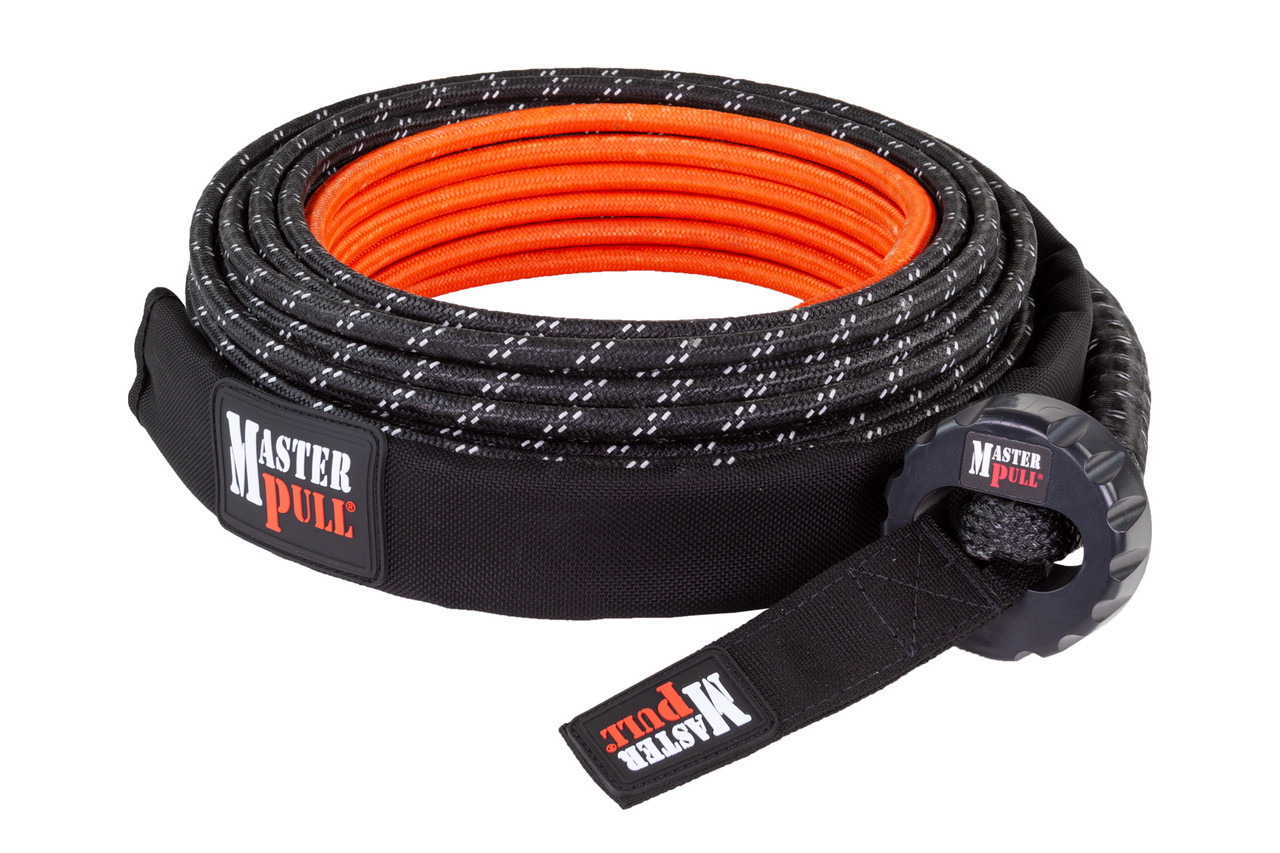
I was watching this video where a soft shackle broke during a kinetic recovery and one of the commentors mentioned the use of a safety lanyard instead of a winch dampener to mitigate risk. Here is an example of what I believe is being referred to.
The basic premise is a lanyard is attached to each end of a kinetic rope (or the hook end of a winch line) and, should a component fail during the recovery, the lanyard will either arrest the snap-back of the line or, if it breaks, will bleed off considerable energy in the process.
All of the winch dampener videos I have found show that dampeners are effective when 2 are used and they are both weighted down. The lanyard approach seems pretty sound and easy to add into a recovery as you are already making attachments at either end. Is there a particular reason why this is not a recommended practice wherein the use of dampeners seem to be ubiquitous?
Thanks
The basic premise is a lanyard is attached to each end of a kinetic rope (or the hook end of a winch line) and, should a component fail during the recovery, the lanyard will either arrest the snap-back of the line or, if it breaks, will bleed off considerable energy in the process.
All of the winch dampener videos I have found show that dampeners are effective when 2 are used and they are both weighted down. The lanyard approach seems pretty sound and easy to add into a recovery as you are already making attachments at either end. Is there a particular reason why this is not a recommended practice wherein the use of dampeners seem to be ubiquitous?
Thanks
Sponsored